Ctrl K
1788–1856
Pierre-Jean David d'Angers, born on March 12, 1788, in Angers, France, to a wood carver and ornamental sculptor father who had fought in the Republican army, began his artistic training locally under Marchand and Jean-Jacques Delusse at the École centrale d'Angers from 1806 to 1807. In 1808, he arrived in Paris with scant funds and entered the studio of Philippe-Laurent Roland, later working under Jacques-Louis David in 1809 and Augustin Pajou. He earned second prize at the École des Beaux-Arts in 1810 for *Othryades* and the prestigious Prix de Rome in 1811 for *Mort d'Épaminondas*, securing a residency at the Académie de France in Rome from 1812 to 1816, where he frequented Antonio Canova's studio and traveled extensively in Italy.
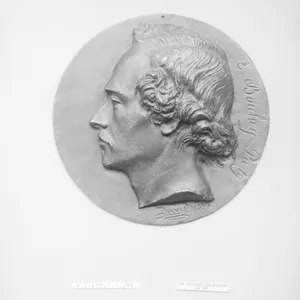
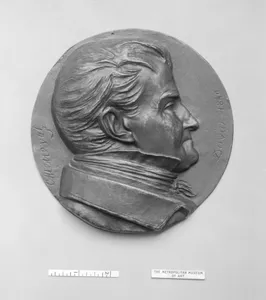
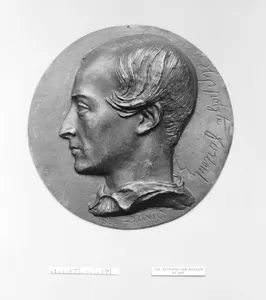
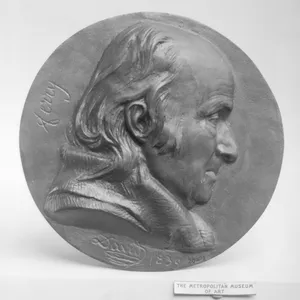
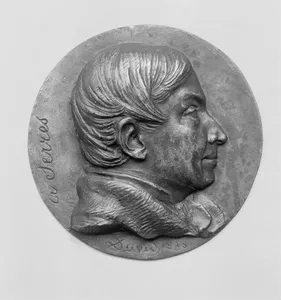
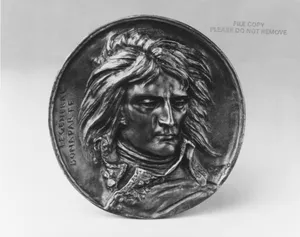
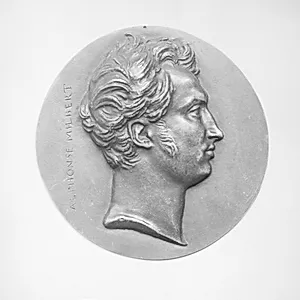
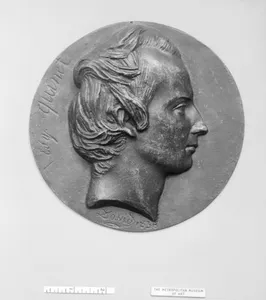
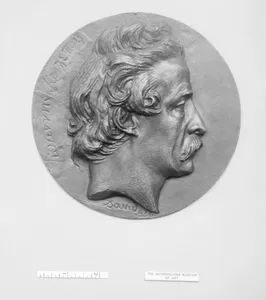
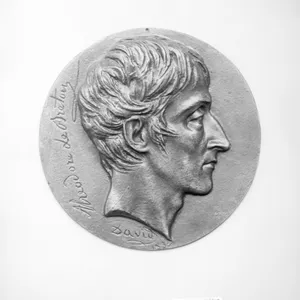
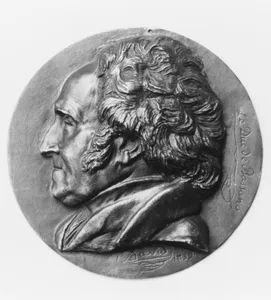
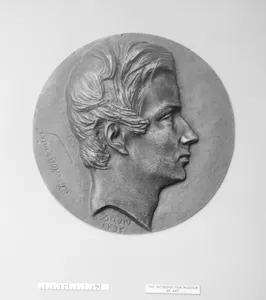
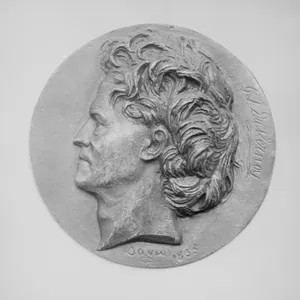
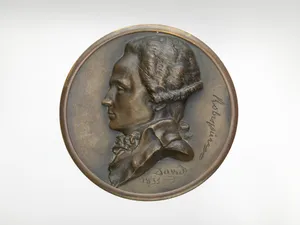
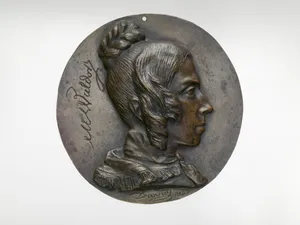
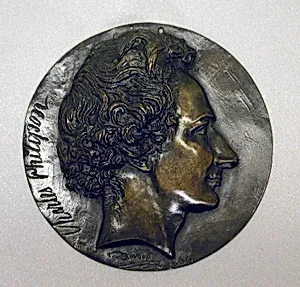
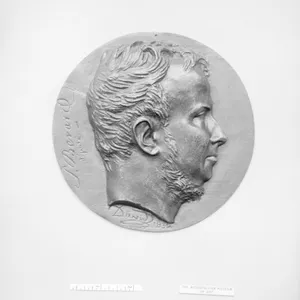
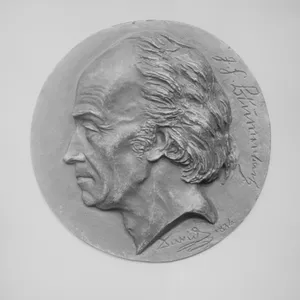
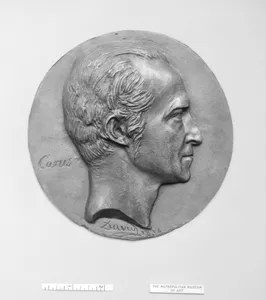
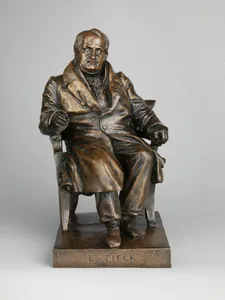
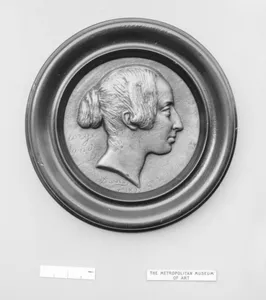
Bridging Neoclassicism and Romanticism, David d'Angers infused his sculptures with dramatic realism and expressive power, aiming to honor modern heroes in forms that inspired the public, blending the grandeur of Pheidias with the intensity of Puget, as praised by Victor Hugo. His oeuvre includes over 50 full-scale statues, 150 busts, and 500 portrait medallions of luminaries like Goethe (1829), Victor Hugo (1837), and Lafayette (1828, gifted to the U.S. Congress). Standout commissions feature the Panthéon's pediment *La Patrie couronnant les hommes célèbres* (1837), the wounded *Philopoemen* (1837, Louvre), the Gutenberg monument in Strasbourg, the equestrian General Gobert tomb in Père Lachaise Cemetery, and the Thomas Jefferson statue (1834) in the U.S. Capitol Rotunda.
Appointed professor at the École des Beaux-Arts in 1826, he mentored talents like Aimé Millet and Carrier-Belleuse, while his liberal politics led to election as a deputy in 1848 and brief exile after Napoleon III's 1851 coup. Married to Émilie Maillocheau in 1831, he fathered sculptor son Robert. David d'Angers died on January 4, 1856, in Paris and was buried in Père Lachaise, leaving a legacy preserved in Angers' Musée David d'Angers, where his vast medallion gallery immortalizes an era's intellectual giants. His work democratized heroism in stone, paving Romantic sculpture's path.