Ctrl K
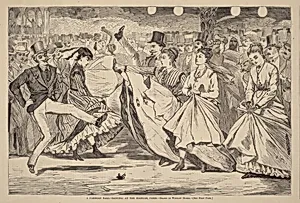
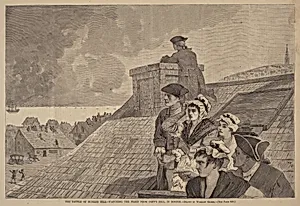
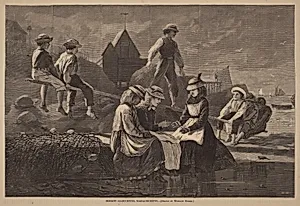
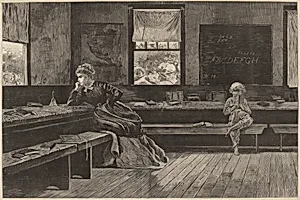
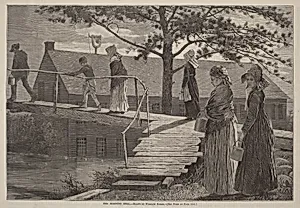
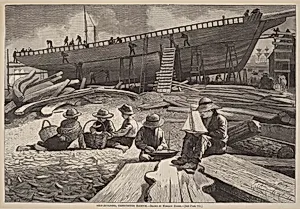
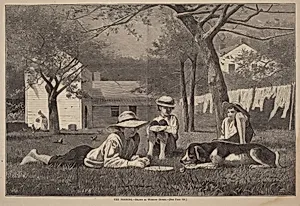
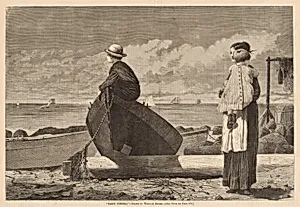
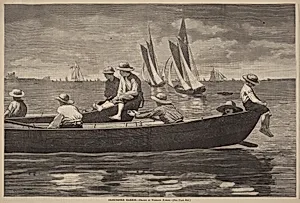
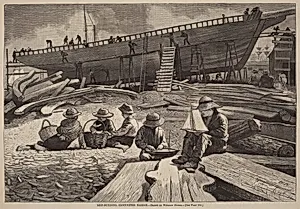
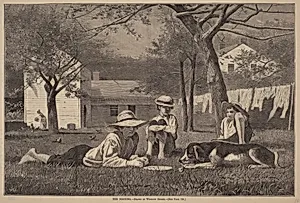
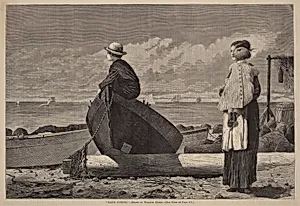
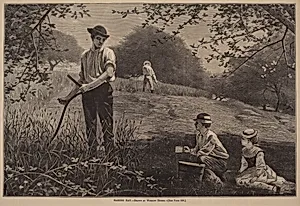
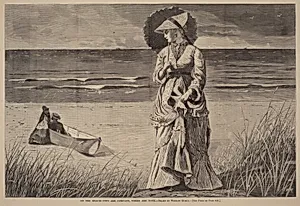
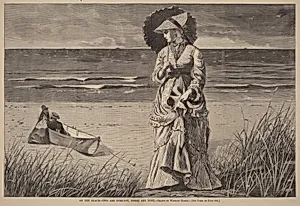
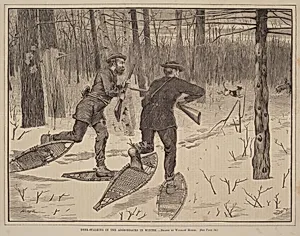
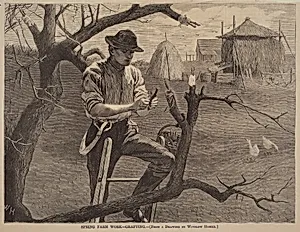
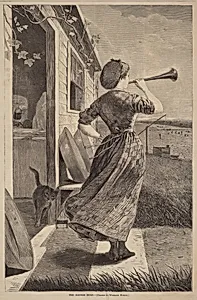
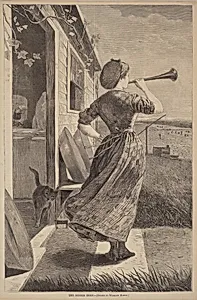
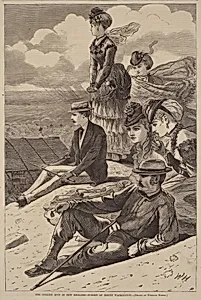
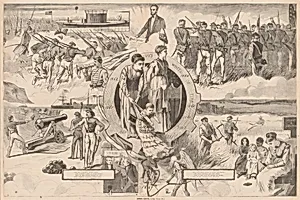
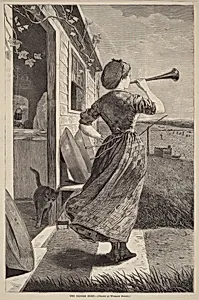
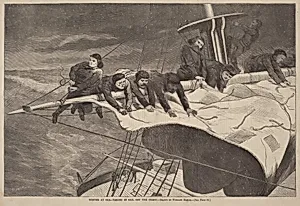
"After Winslow Homer" is the conventional attribution in art historical catalogs for a body of mid- to late-19th-century wood engravings that reproduce the illustrations drawn by the eminent American realist painter Winslow Homer (1836–1910) for popular periodicals, most notably Harper's Weekly. Beginning in 1857, shortly after Harper's Weekly launched in New York, Homer contributed hundreds of sketches depicting everyday American life, Civil War scenes, rural pastimes, and urban vignettes, which were meticulously translated into engravings by skilled, often anonymous wood engravers in the publisher's workshops. These reproductive prints, produced through a collaborative process honed in the commercial illustration trade, capture Homer's emerging mastery of light, movement, and narrative detail with remarkable fidelity.
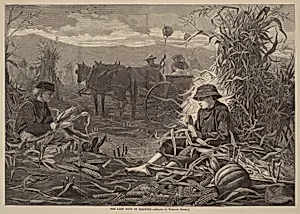
Working in the realist tradition of Harper's Weekly illustrators, the engravers under this attribution adhered to the precise, high-contrast style demanded by woodblock printing technology, transforming Homer's fluid drawings into enduring black-and-white images suitable for mass reproduction. Iconic examples include *Snap-the-Whip* (Harper's Weekly, September 20, 1873), portraying schoolboys dashing across a hillside in exuberant play; *The Last Days of Harvest* (Harper's Weekly, December 6, 1873), evoking the waning autumn labors of farm families; *Art-Students and Copyists in the Louvre Gallery, Paris* (Harper's Weekly, January 11, 1868), a lively scene of artistic pilgrimage abroad; and *Spring in the City* (Harper's Weekly, Vol. II), bustling with fashionable promenaders. Other notable works encompass Civil War motifs like *Filling Cartridges at the United States Arsenal* and pastoral idylls such as *Life in Camp, Part 1: Hard Tack*, reflecting the era's social textures.
The legacy of "After Winslow Homer" endures in major collections worldwide, including the Metropolitan Museum of Art, Blanton Museum of Art, and this virtual museum's holdings of 50 such prints, underscoring their role in democratizing Homer's vision. Far from mere copies, these engravings propelled Homer from freelance lithographer to national icon, bridging the gap between journalism and fine art while preserving vivid snapshots of Gilded Age America for posterity. Their technical virtuosity highlights the unsung engravers' contributions to American visual culture.