Ctrl K
1855
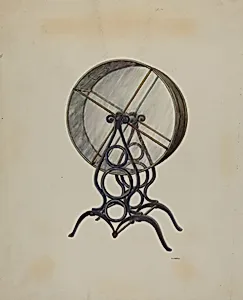
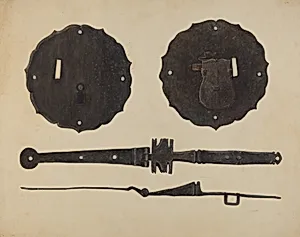
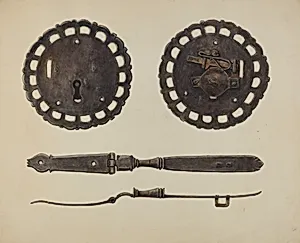
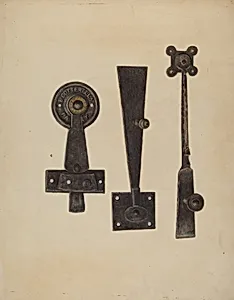
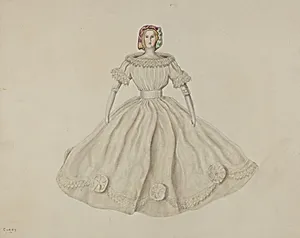
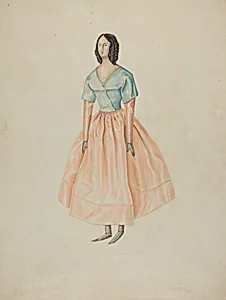
**Al Curry** (American, active c. 1935) was a skilled draftsman whose precise renderings captured the essence of American folk art and vernacular craftsmanship during the Great Depression era. Little is known about his early life or formal training, as biographical details remain sparsely documented. Curry gained prominence through his contributions to the Index of American Design, a Federal Art Project under the Works Progress Administration (WPA). This ambitious initiative commissioned artists across the United States to document regional crafts, tools, furniture, and decorative objects through detailed watercolor and graphite drawings, preserving a visual record of the nation's cultural heritage before many items were lost to time or decay.
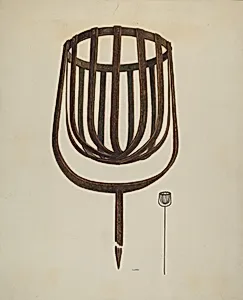
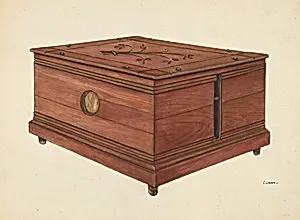
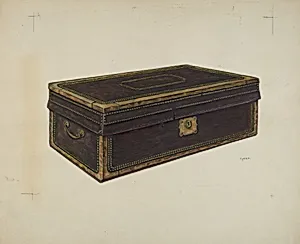
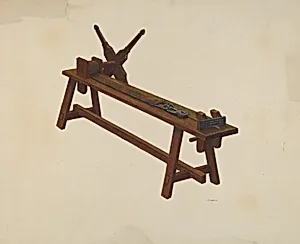
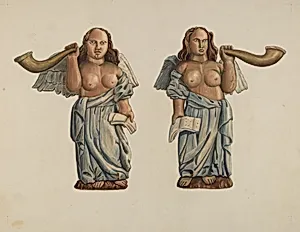
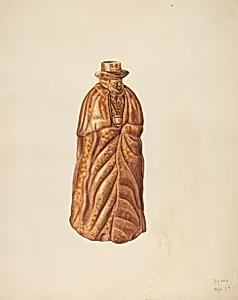
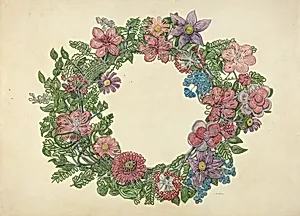
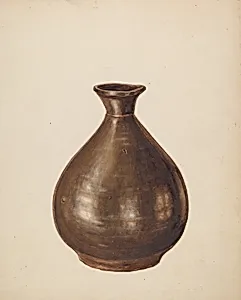
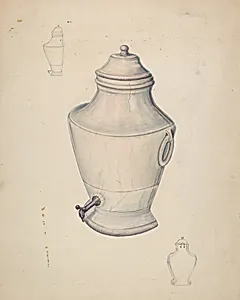
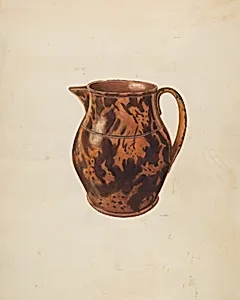
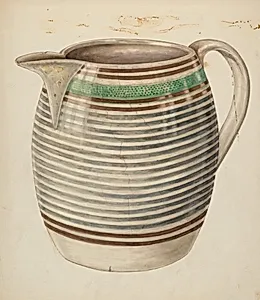
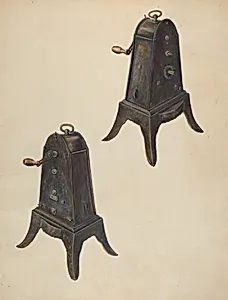
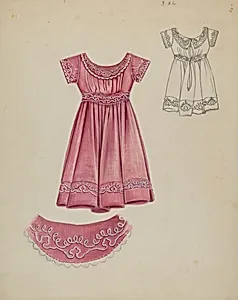
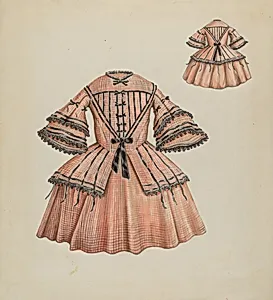
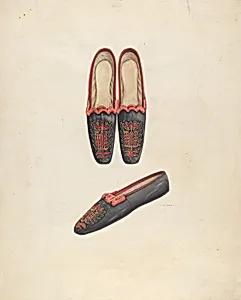
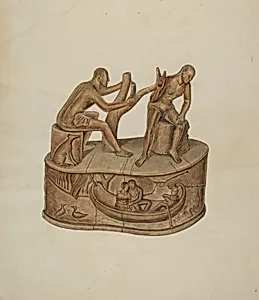
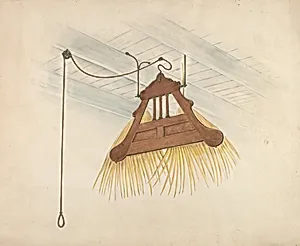
Working primarily in watercolor, graphite, colored pencil, and occasionally gouache on paper, Curry's style emphasized technical accuracy and subtle coloration to highlight textures, forms, and historical patina. His subjects spanned wrought ironwork—such as gates, balcony rails, brackets, and stairways—to pottery jugs, wooden carvings, clocks, stoves, and even clothing like capes and opera cloaks. Active from around 1935 to 1939, he produced meticulously observed studies that revealed the ingenuity of anonymous American makers, from Southern plantation ironwork to New England chests and whimsical folk sculptures.
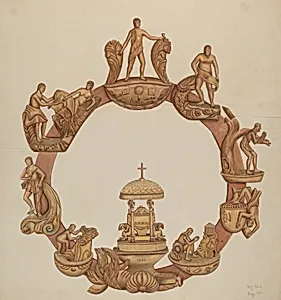
Among his notable works in the National Gallery of Art's collection of 85 pieces are *Wrought and Cast Iron Gate* (c. 1936), *Plantation Clock* (c. 1937), *Porcelain Lavabo* (c. 1938), *"Cycle of Life" Carving* (c. 1938), and *Jeweler's Wire Making Machine* (c. 1939). These drawings not only showcase Curry's mastery of light and shadow but also evoke the diverse regional traditions of American design.
Curry's legacy endures through the Index, which influenced mid-20th-century appreciation for folk art and informed museum acquisitions and scholarship. His anonymous yet vital role in this democratic art project underscores the WPA's impact on American cultural preservation, making everyday objects icons of national identity. Today, his portfolio at the National Gallery stands as a testament to the unheralded beauty of utilitarian craftsmanship.