Ctrl K
1642–1722
Occupations
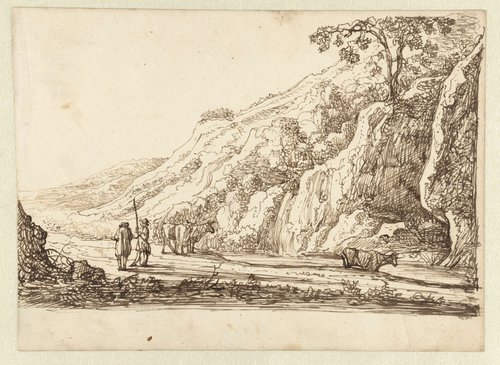
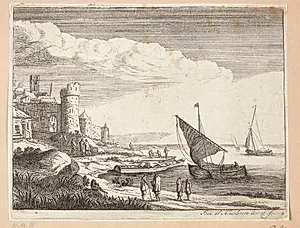
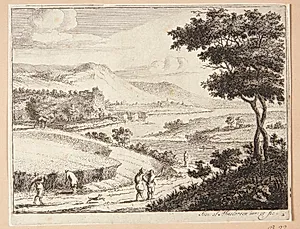
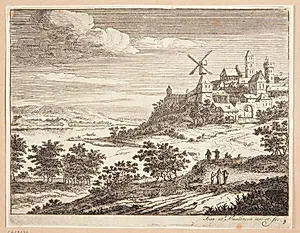
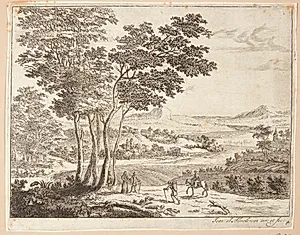
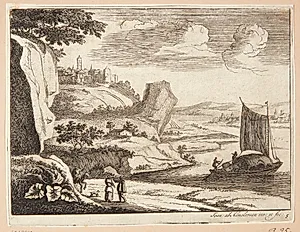
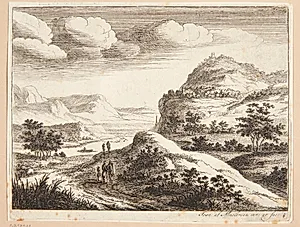
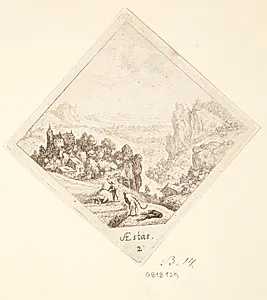
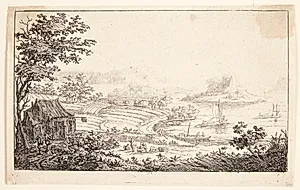
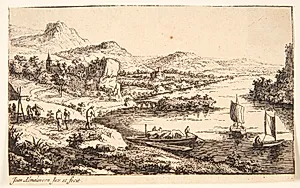
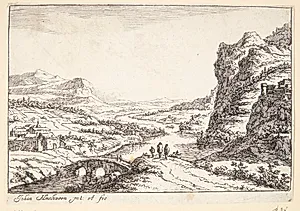
Jan van Almeloveen (1656-1684) was a Dutch Golden Age painter, engraver, and draughtsman whose brief career produced thirty-eight landscape etchings of remarkable quality before his early death. Born in Mijdrecht in 1656, Van Almeloveen is thought to have received training from the accomplished landscape painter Herman Saftleven (1609-1685) in Utrecht, whose work profoundly influenced his artistic development. Van Almeloveen's etchings, all completed within approximately a decade, predominantly depicted Dutch landscapes including villages, rivers, and rural scenes, with twenty prints based directly on Saftleven's drawings. His output included twelve views of Dutch villages and a notable diamond-shaped series representing the Four Seasons, demonstrating compositional versatility. Working during the late Dutch Golden Age when landscape printmaking flourished, Van Almeloveen contributed to the tradition of recording the Netherlands' distinctive topography and rural character. His final dated print appeared in 1683, and he died sometime shortly thereafter at approximately twenty-eight years of age, leaving a modest but accomplished body of work valued for its technical skill and atmospheric effects.
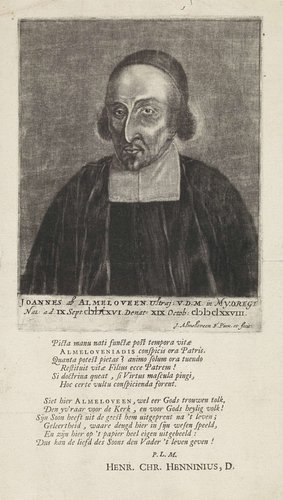
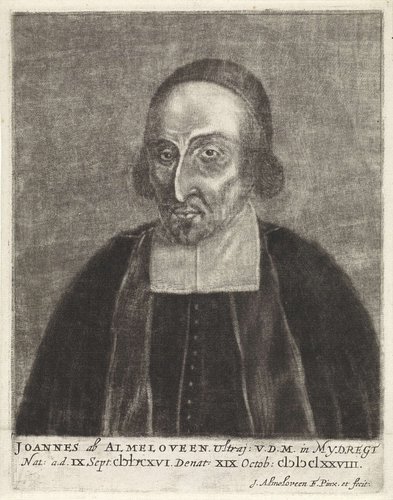
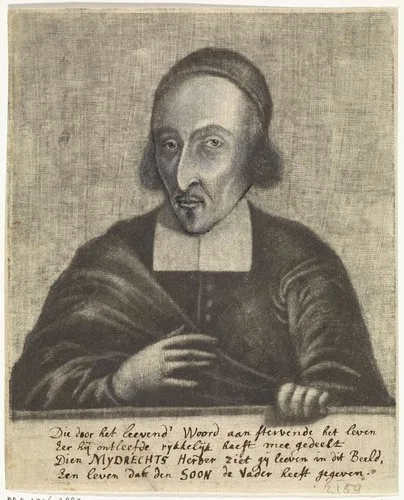
Jan van Almeloveen was born in 1656 in Mijdrecht, a village in the province of Utrecht. Evidence for his birthplace comes from an inscription on his 1678 mezzotint portrait of his father, Johannes ab Almeloveen, who served as a preacher in that community. Growing up in a clerical household provided Jan with education and likely exposure to the visual culture of the Dutch Reformed Church.
Van Almeloveen is believed to have received his artistic training from Herman Saftleven (1609-1685) in nearby Utrecht. Saftleven was one of the most accomplished landscape painters and draughtsmen of the period, known for topographical accuracy combined with atmospheric effects. Training under such a master would have provided Van Almeloveen with solid grounding in landscape composition, drawing technique, and etching processes.
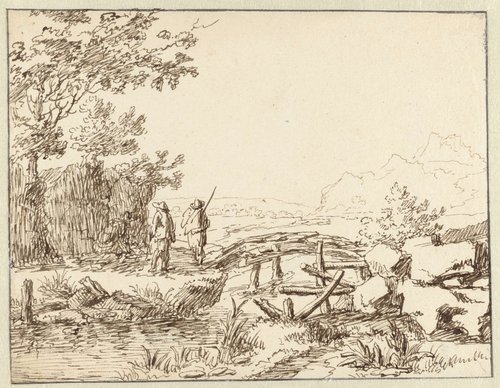
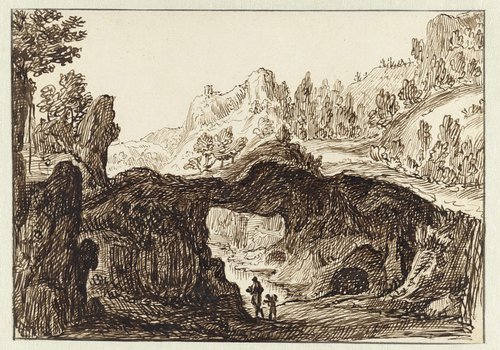
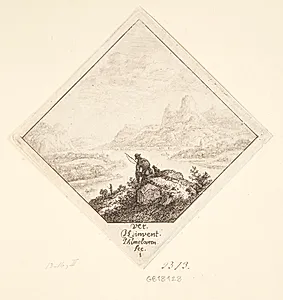
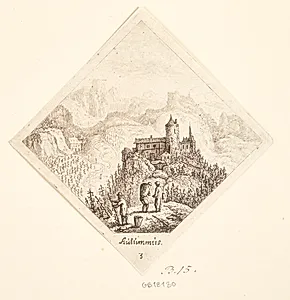
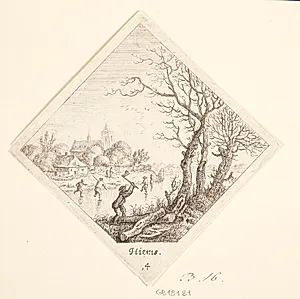
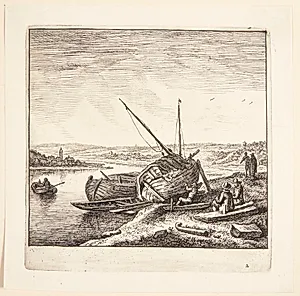
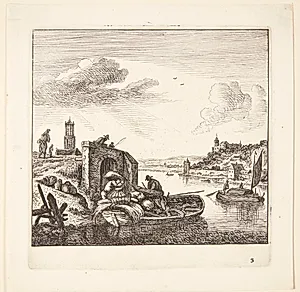
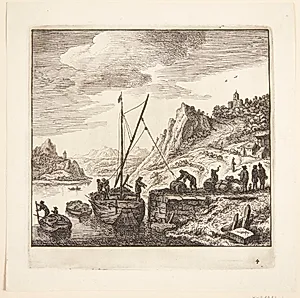
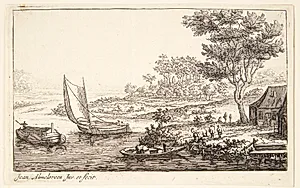
Van Almeloveen's documented artistic production consists of thirty-eight etchings, all landscape subjects, created during approximately a decade of activity. His prints are divided into several categories: twenty etchings reproduce drawings by his teacher Herman Saftleven, demonstrating the common practice of translating a master's designs into printable form. Twelve prints depict Dutch villages, providing topographical documentation of rural Netherlands communities. His work also included a series of four diamond-shaped prints representing the Four Seasons—an unusual format that demonstrates compositional ambition and versatility.
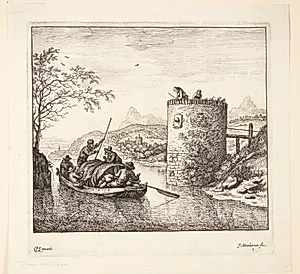
His landscapes captured the distinctive character of Dutch countryside: flat horizons, rivers winding through lowlands, windmills, rural architecture, and the expansive skies that dominate Low Countries vistas. Following Saftleven's example, Van Almeloveen's etchings combined topographical accuracy with atmospheric effects, creating images that served both documentary and aesthetic functions.
The year 1683 appears on his last known print, suggesting his activity continued until approximately that date. Van Almeloveen died sometime after 1683, most likely in 1684, at the young age of approximately twenty-eight. His early death cut short what promised to be a significant career in Dutch landscape printmaking.
Despite his brief working life and modest output of thirty-eight prints, Van Almeloveen's etchings achieved recognition for their "neatly executed" quality and effective rendering of Dutch landscape. His works preserve visual records of seventeenth-century Dutch villages and countryside while demonstrating the continued vitality of landscape printmaking in the late Golden Age.
Artheon Research Team
Last updated: 2025-11-09
Biography length: ~476 words
Wikidata (CC0); Getty ULAN (ODC-By)