Ctrl K
1882–1966
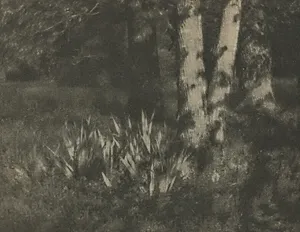
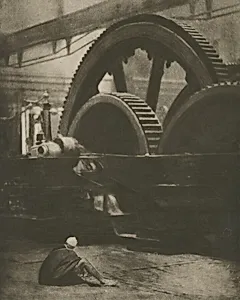
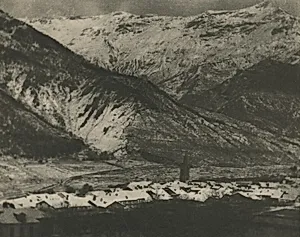
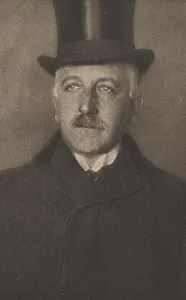
Alvin Langdon Coburn (1882–1966) was a British-American photographer and one of the most important figures in the Pictorialist and early modernist photography movements. Born in Boston, Massachusetts, he took up photography as a child and by his teens was already exhibiting internationally. He studied under leading photographers of the era, including Edward Steichen and Gertrude Käsebier, and was deeply influenced by Alfred Stieglitz, who featured his work in Camera Work and at the 291 gallery in New York.
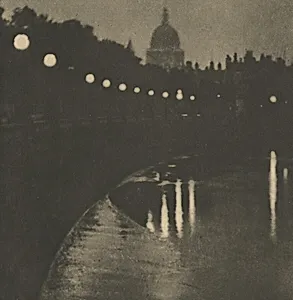
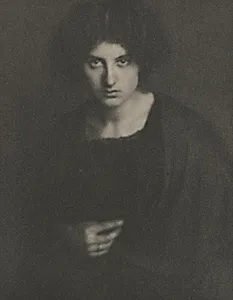
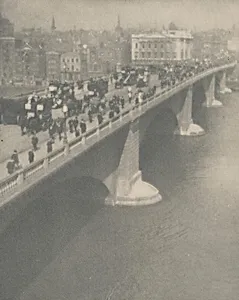
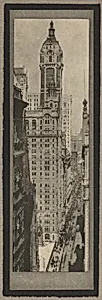
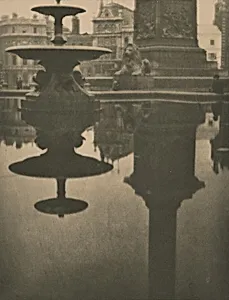
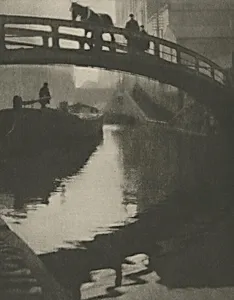
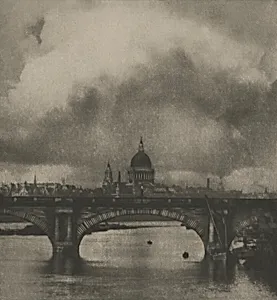
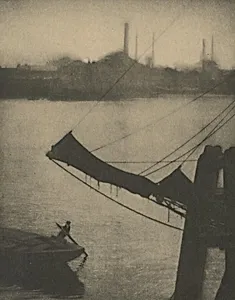
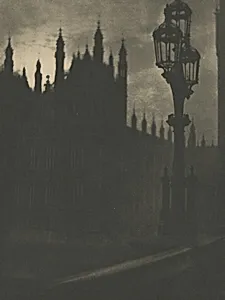
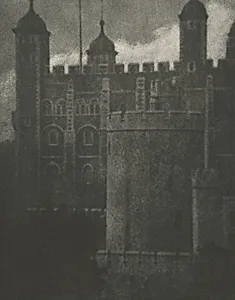
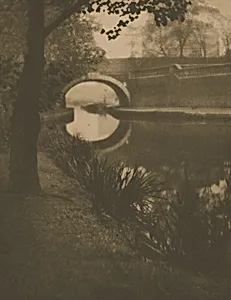
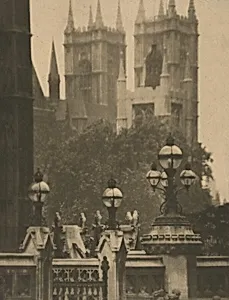
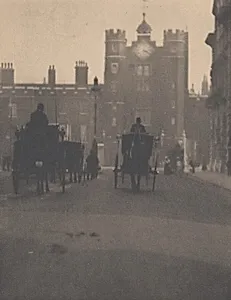
Coburn became renowned for his atmospheric portraits of literary and artistic figures, producing remarkable studies of George Bernard Shaw, Henry James, Mark Twain, and Auguste Rodin, among many others. His cityscapes of London and New York captured the poetic character of modern urban life, with works like "The Octopus" (1912) — a dramatic aerial view of Madison Square Park — anticipating abstract photography by several years.
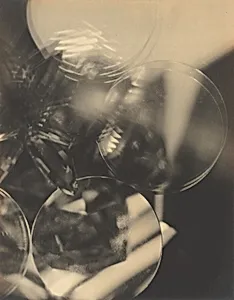
In 1917, Coburn created what are widely considered the first purely abstract photographs, which he called "Vortographs." Using a kaleidoscope-like arrangement of three mirrors clamped together, he produced fractured, prismatic images that aligned with the Vorticist movement championed by his friend Ezra Pound. These works placed Coburn at the radical forefront of photographic experimentation.
After settling permanently in Britain and becoming a British citizen in 1932, Coburn largely withdrew from photography to pursue interests in Freemasonry and mysticism. His earlier body of work, however, secured his place as a bridge between nineteenth-century Pictorialism and twentieth-century modernism, and his prints are held in major collections including the George Eastman Museum, the Royal Photographic Society, and the Metropolitan Museum of Art.