Ctrl K
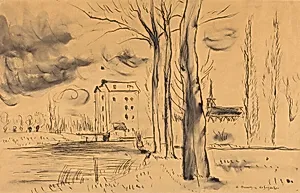
André Dunoyer de Segonzac (1884–1974) was a leading French painter, draughtsman, engraver, and illustrator, born on 6 July in Boussy-Saint-Antoine near Paris, where he spent much of his childhood alongside time in the city. Defying his parents' initial hopes for a military career at Saint-Cyr, he pursued art, enrolling in 1900 at the École des Beaux-Arts in Paris as a general student. He studied under Luc-Olivier Merson, Jean-Paul Laurens, and at academies including the Grande Chaumière, Colarossi, and La Palette, where instructors Jacques-Émile Blanche and Charles Guérin taught, and he later worked alongside Jean Metzinger and Henri Le Fauconnier. These formative years connected him with peers like Luc-Albert Moreau and Jean-Louis Boussingault, and friends such as Raoul Dufy and Maurice de Vlaminck.
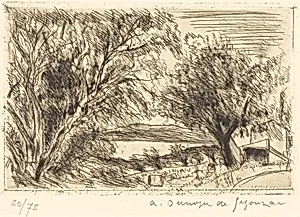
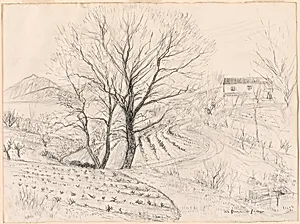
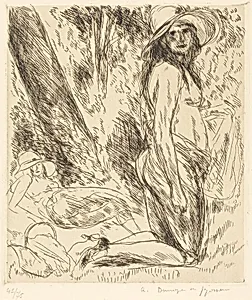
Early in his career, Segonzac flirted with Cubism, exhibiting at the Salon des Indépendants from 1909, the Section d'Or in 1912, and the Armory Show in 1913, which brought his work to American audiences. World War I interrupted his progress; conscripted in 1914, he served in combat before joining the camouflage section under Lucien-Victor Guirand de Scévola, earning the Croix de Guerre for his trench drawings. Postwar, he championed a naturalistic tradition amid modernist trends, influenced by Courbet and Cézanne, with thickly impasted oils of landscapes, still lifes, and nudes in somber tones—evoking Provence and Île-de-France scenes—contrasting his lighter, spontaneous watercolors and etchings of dancers and boxers, as in *Les Boxeurs* (1911) and *Sheherazade* drawings inspired by Isadora Duncan (1910).
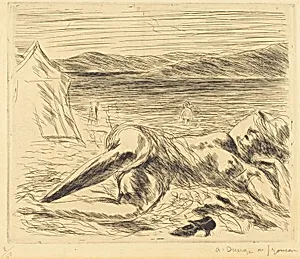
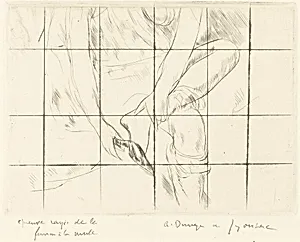
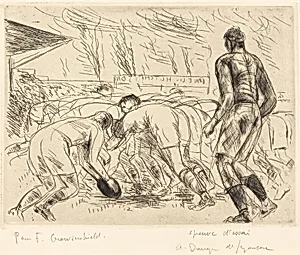
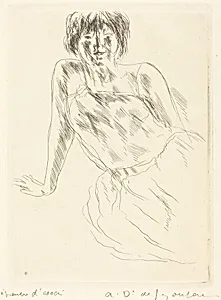
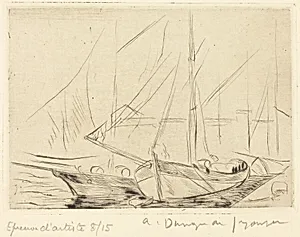
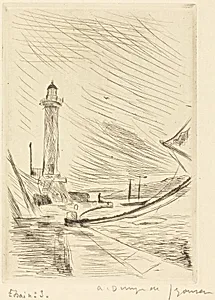
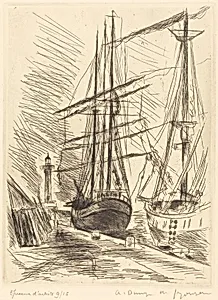
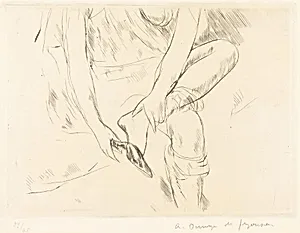
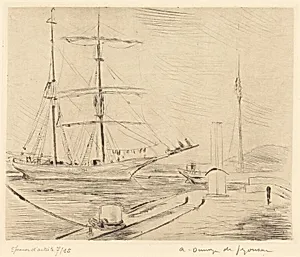
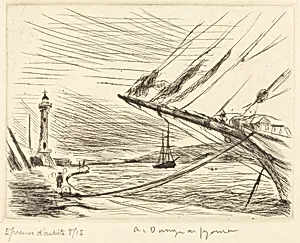
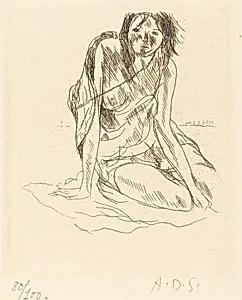
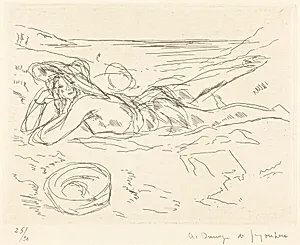
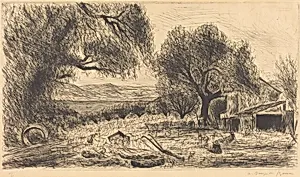
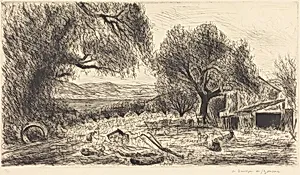
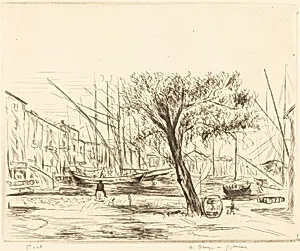
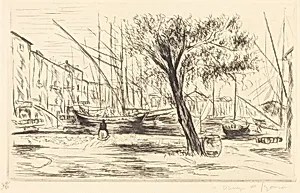
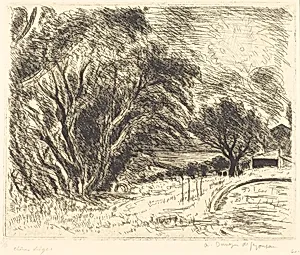
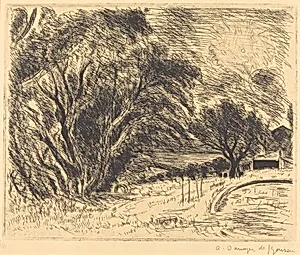
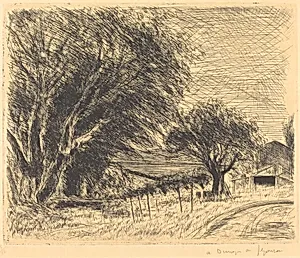
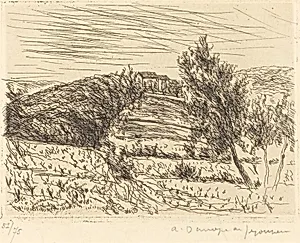
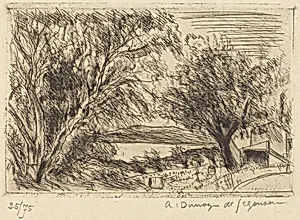
A master engraver, Segonzac produced over 1,600 plates, illustrating Roland Dorgelès's *Les Croix de bois* (1921), Tristan Bernard's *Tableaux de la boxe* (1922–23), and Virgil's *Georgics* (1947), hailed as a 20th-century masterpiece for its lyricism. His international acclaim peaked in the 1930s with first prize at the Carnegie International (1933), top honors at the Venice Biennale (1934), and election to London's Royal Academy (1947); he curated the Musée de l'Annonciade in Saint-Tropez from 1955. Married to actress Thérèse Dorny, he remained prolific until his death in Paris at 90, leaving a legacy of earthy realism in major collections worldwide, from the MoMA to the British Museum, bridging pre- and postwar French art.