Andy Goldsworthy OBE (born 25 July 1956, Cheshire) is a British sculptor, photographer, and environmentalist whose work has redefined the possibilities of land art through an intimate, labor-intensive collaboration with the natural world. Raised in Yorkshire, he worked on farms as a laborer from the age of thirteen — an experience that cultivated a close, physical attentiveness to soil, weather, and seasonal change that remains legible throughout his practice. He studied fine art at Bradford College of Art (1974–75) and then at Preston Polytechnic (now the University of Central Lancashire), graduating with a BA in 1978.
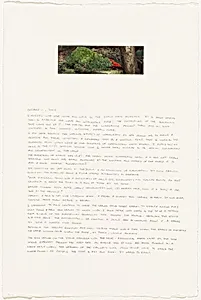
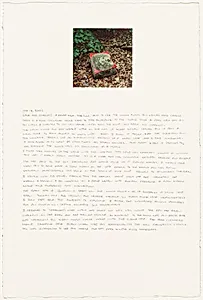
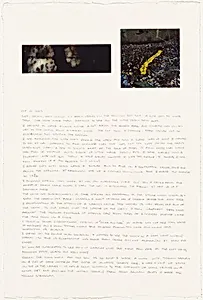
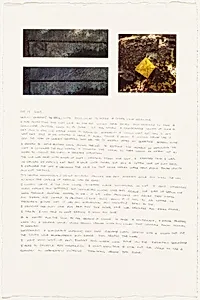
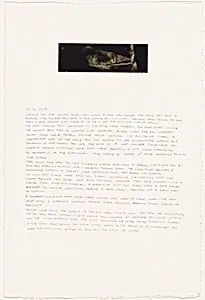
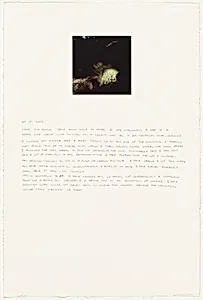
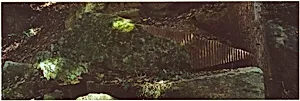
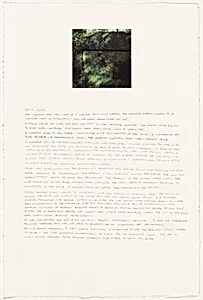
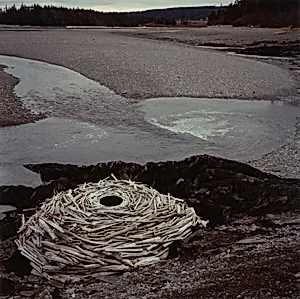
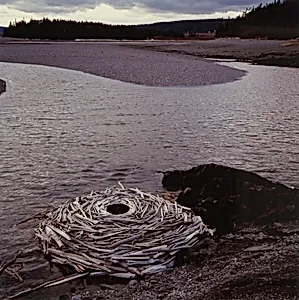
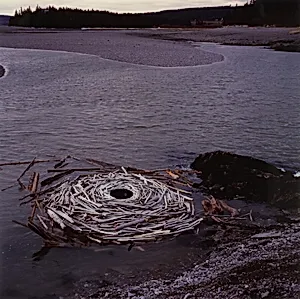
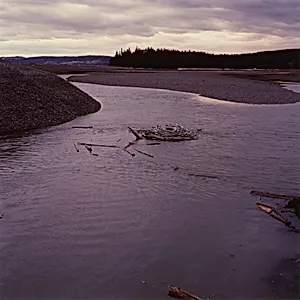
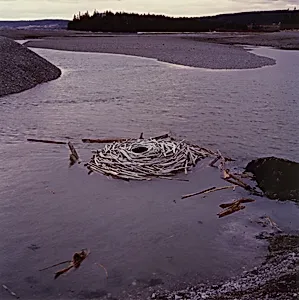
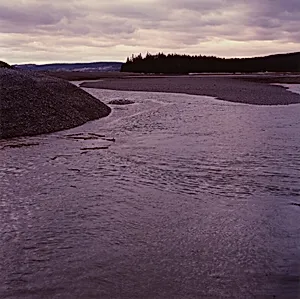
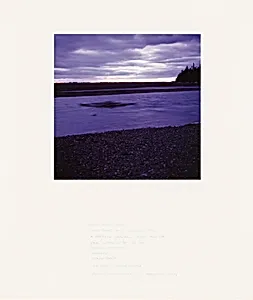
Goldsworthy works primarily with materials found at the site of each piece — leaves, ice, snow, stone, branches, mud, feathers, thorns — shaping them with his bare hands or simple found tools into sculptures that exist in dialogue with their immediate environment. Most of his outdoor works are ephemeral by design: a construction of balanced ice, a spiral of leaves floating on a pond, a cairn of river stones dissolved by the tide. Photography is integral to his practice, providing the only lasting record of works that are intended to change and disappear. In contrast to the monumental scale of much land art, Goldsworthy typically works at a human or even intimate scale, though his permanent commissions range widely.
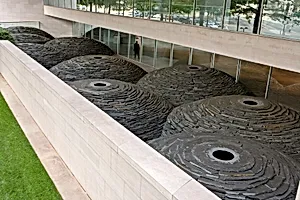
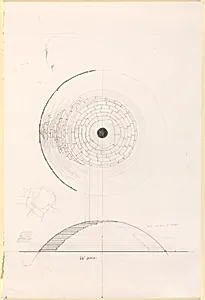
Among his permanent installations, Drawn Stone (2003) — a great crack in the entry courtyard of the de Young Museum in San Francisco — echoes the seismic geology of the city. Garden of Stones (2003), created for the Museum of Jewish Heritage in New York City, planted dwarf oak saplings inside eighteen boulders as a living Holocaust memorial. Roof (2004–05) for the National Gallery of Art in Washington, D.C., consists of nine hollow slate domes open to the sky. He is also generally credited as the founder of modern rock balancing as an artistic practice.
Goldsworthy served as A. D. White Professor-at-Large in Sculpture at Cornell University from 2000 to 2008. His work has been documented in numerous books and in Thomas Riedelsheimer's film Rivers and Tides (2001). Working from his base in Dumfriesshire, Scotland, he continues to produce work that asks fundamental questions about time, transience, and the human relationship with the natural world.