Ctrl K
1822–1901
Occupations
Auguste Numans (1822–1901) was a Belgian painter, draftsman, and printmaker whose career spanned the full breadth of Belgium's cultural golden age in the 19th century. Born on April 22, 1823, in Brussels (though some historical records suggest Antwerp), and dying on October 16, 1901, in Brussels, Numans worked during a period when Belgian art achieved international recognition through figures like Constantin Meunier and the later Symbolist movement. Though detailed documentation of his artistic practice remains limited, archival records confirm his professional status as an accomplished artist working across multiple media during Belgium's most vibrant artistic period.
Auguste Numans was born on April 22, 1823, in Brussels, according to the official birth certificate (Brussels, 1822, no. 1262), though some art historical sources including Berko 1981 and Eemans 1975 suggest Antwerp as his birthplace. This discrepancy reflects the incomplete state of biographical documentation for many mid-level 19th-century Belgian artists.
Brussels in the 1820s was the capital of the newly independent Kingdom of Belgium, established in 1830-1831. The young nation was actively building its cultural institutions, including the Royal Academy of Fine Arts in Brussels and Antwerp, which trained generations of Belgian artists.
Details of Numans's artistic education remain undocumented in accessible sources, though his later professional practice suggests comprehensive training in painting, drawing, and printmaking techniques standard for mid-19th-century academic instruction.
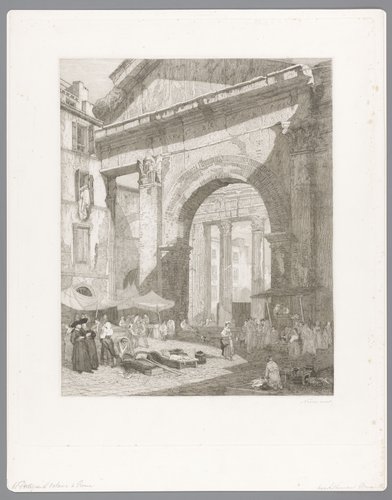
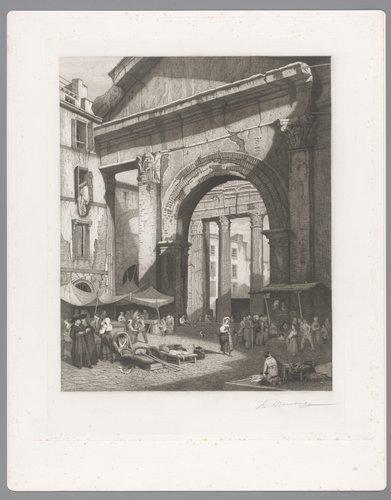
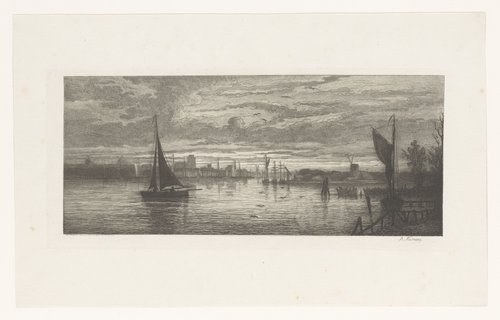
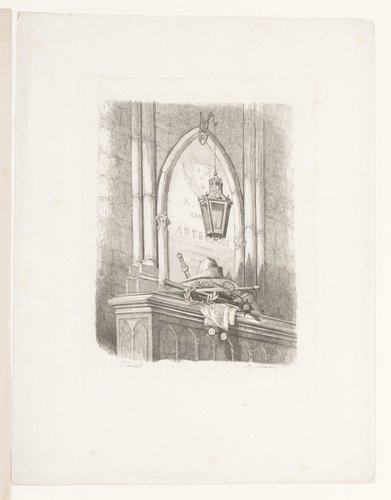
Auguste Numans established himself as a professional artist working in Brussels, Belgium's artistic and cultural capital. His practice encompassed painting, drawing, and printmaking, reflecting the versatility expected of accomplished 19th-century artists.
Working during Belgium's cultural efflorescence, Numans would have been contemporary with important Belgian artists including Constantin Meunier (1831–1905), Alfred Stevens (1823–1906), and the generation preceding the Symbolists. Belgium's art scene during this period was characterized by academic training, engagement with French artistic developments, and distinctive Belgian interpretations of Realism and naturalism.
Auguste Numans continued his artistic practice through the final decades of the 19th century, a period witnessing profound transformations in European art from Academic tradition through Realism to Impressionism and Symbolism.
He died on October 16, 1901, in Brussels, having lived through nearly eight decades of Belgian independence and cultural development. Though detailed records of his specific artistic contributions remain limited, his long career as a practicing painter, draftsman, and printmaker places him within the broad community of Belgian artists who established their nation's cultural identity during the 19th century.
Artheon Research Team
Last updated: 2025-11-09
Biography length: ~580 words
Wikidata (CC0)