Ctrl K
1878–1961
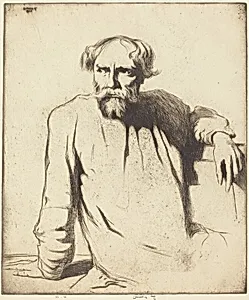
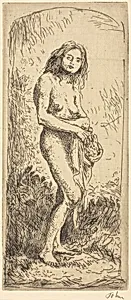
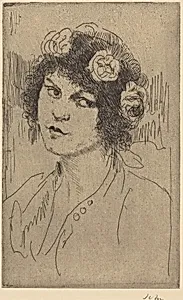
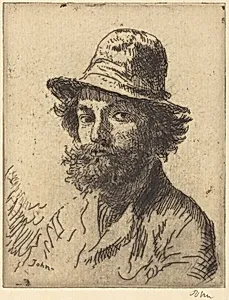
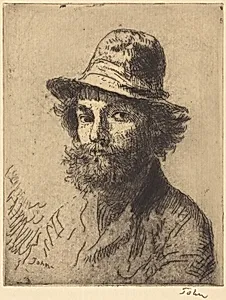
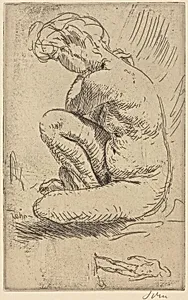
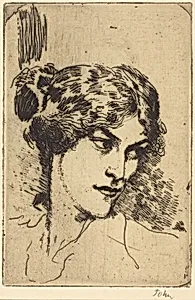
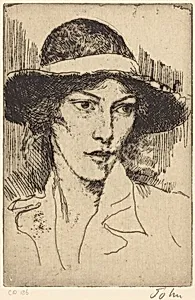
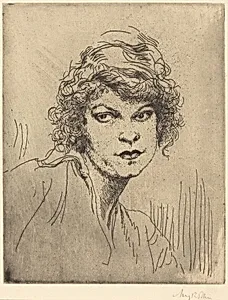
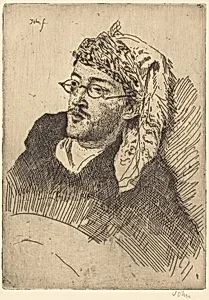
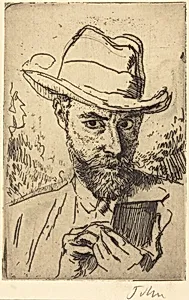
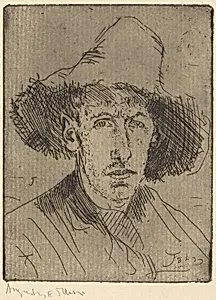
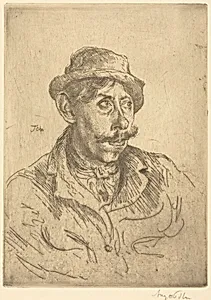
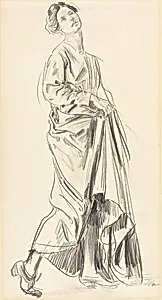
Augustus Edwin John OM RA (1878–1961) was a Welsh painter, draughtsman, and etcher whose prodigious early gifts made him the most celebrated portraitist in Britain during the first decades of the twentieth century. Born on 4 January 1878 in Tenby, Pembrokeshire, he lost his mother Augusta Smith in childhood, a loss that left a permanent mark on his restless temperament. He and his elder sister Gwen John — herself a painter of considerable distinction — both studied at the Slade School of Fine Art in London, where Augustus entered in 1894. At the Slade, he quickly became renowned for the virtuosity of his draughtsmanship, and his teachers recognized him as an exceptional talent.
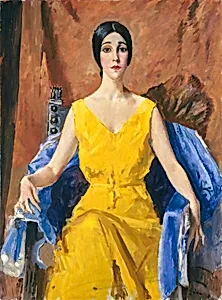
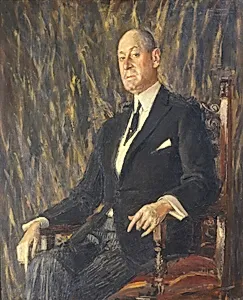
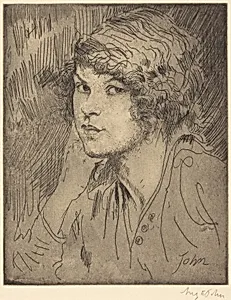
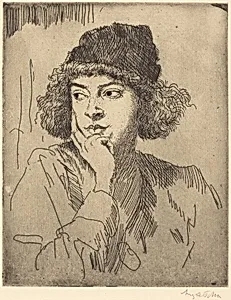
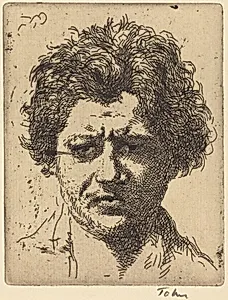
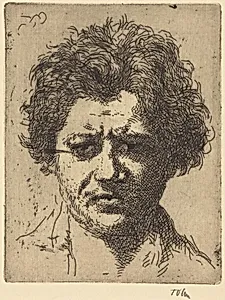
By 1908, John had displaced John Singer Sargent as the dominant force in fashionable British portraiture. His approach was direct, penetrating, and often charged with a heightened sense of personality — he had a remarkable ability to fix some unfamiliar or illuminating aspect of his subject in a single sitting. He also pioneered the technique of working in oil directly onto bare canvas, lending his portraits a spontaneity and freshness that set them apart. His visits to north Wales with the artist James Dickson Innes between 1910 and 1913 revealed a parallel gift for landscape, and he became a significant exponent of Post-Impressionism in England.
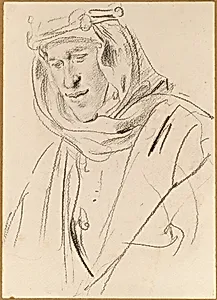
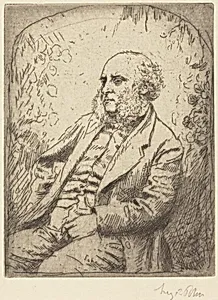
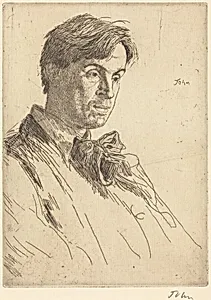
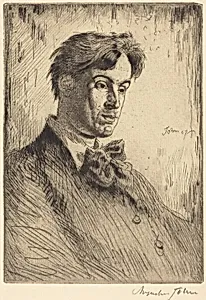
Among the many distinguished figures John painted are T. E. Lawrence, Thomas Hardy, W. B. Yeats, George Bernard Shaw, and the cellist Guilhermina Suggia, whose portrait became one of his most celebrated images. He also painted his fellow Welshman Dylan Thomas — a sitter he introduced to Caitlin Macnamara, John's own sometime companion who later became Thomas's wife.
After the First World War, John's creative intensity gradually waned even as his public reputation remained formidable. He was appointed to the Order of Merit in 1942. He later published two volumes of autobiography, Chiaroscuro (1952) and the posthumous Finishing Touches (1964). John died on 31 October 1961, leaving behind a body of work that, at its peak, captured the spirit of an era with unrivaled authority.