Ctrl K
1855
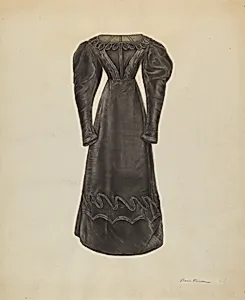
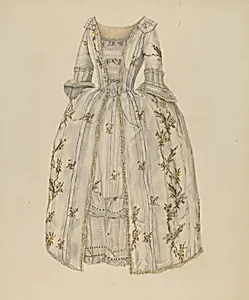
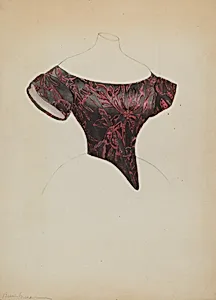
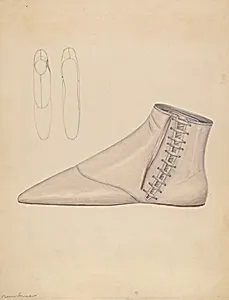
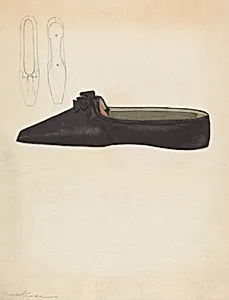
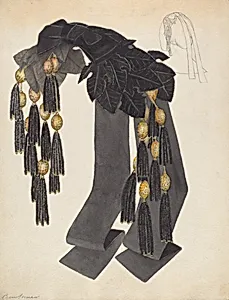
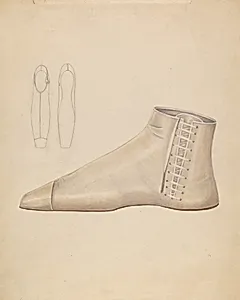
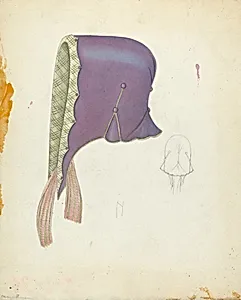
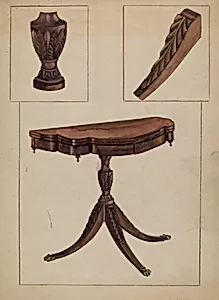
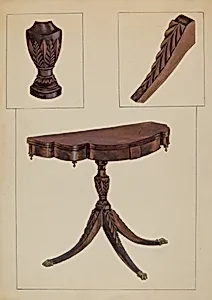
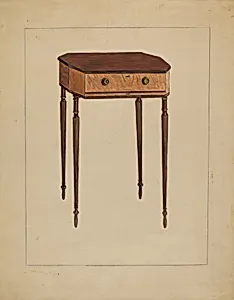
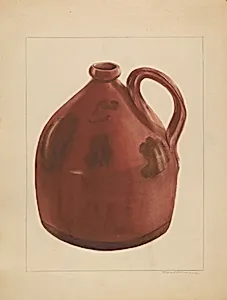
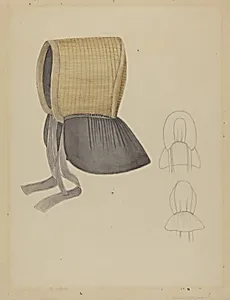
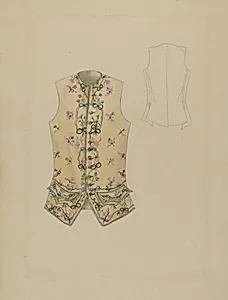
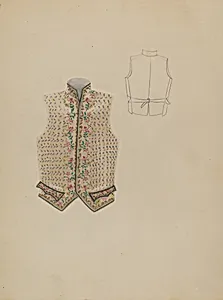
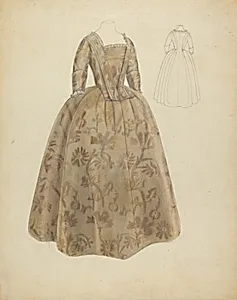
Bessie Forman is an artist whose works survive in museum collections in sufficient quantity to establish her as a genuine practitioner with a real body of output, even as the biographical details that would fully situate her within art history — her dates, her training, her national context — have not been preserved in the sources most accessible to researchers today. Her first name, Bessie, is characteristic of the late Victorian and Edwardian eras in Britain and America, suggesting she may have been active in the late nineteenth or early twentieth century.
The period of Forman's probable activity was one in which women artists were gaining broader access to formal training institutions, professional exhibition venues, and commercial markets for their work. Artists like her occupied a significant but often underacknowledged place in the visual culture of the time, producing work that was bought, displayed, and appreciated even when it was not reviewed in the critical press with the same frequency or depth as the work of their male contemporaries.
Forman's surviving body of work reflects the disciplined output of someone for whom art-making was a sustained and serious occupation. Whether she worked in painting, printmaking, or another medium, the consistency implied by her preserved output suggests technical command and a relationship with patrons, exhibitors, or publishers that made continued production both possible and worthwhile.
Bessie Forman is among the many women artists of her generation whose contributions to visual culture await fuller historical recovery. The works preserved under her name in institutional collections are the most durable evidence of her career and the most compelling argument for the archival research that might one day restore a richer account of who she was and what she contributed.