Ctrl K
1888–1939
Charles Cullen (1888–1939) was an American illustrator and graphic artist whose career bridged the worlds of literary publishing and federal art projects during the Great Depression. Born on December 19, 1887, in LeRoy, New York—southwest of Rochester—he was the sixth of seven children to Matthew Cullen, an Irish immigrant engineer born in 1854, and Ellen, who was Canadian-born. The family relocated to Brooklyn's Adelphi Street when Charles was nearly five, later moving to East 31st Street. By 1917, as a tall, blond artist with blue eyes and poor eyesight that exempted him from World War I service, Cullen was working at 1441 Broadway, possibly for the Hartford Textile Company, establishing himself in New York City's vibrant commercial art scene.
Cullen's stylistic signature—delicate, erotic black-and-white line drawings reminiscent of Aubrey Beardsley—propelled him into the Harlem Renaissance orbit through a serendipitous connection. His father sent him Countee Cullen's debut poetry collection *Color* (1925), sparking a collaboration despite no relation; the poet admired Cullen's Beardsley-esque sketches and commissioned illustrations for *Copper Sun* (1927), *The Ballad of the Brown Girl* (1927), a second edition of *Color* (1928), and *The Black Christ and Other Poems* (1929). Cullen also contributed to the *Opportunity* magazine anthology *Ebony and Topaz* (1927) alongside Aaron Douglas, illustrated Lucian's erotic *Dialogues of the Courtesans* for Rarity Press, sections of Walt Whitman's *Leaves of Grass* (1933, introduced by Sherwood Anderson), and *Contemporary American Men Poets* (1937). These works, often repeated in periodicals, blended sensuality with literary elegance.
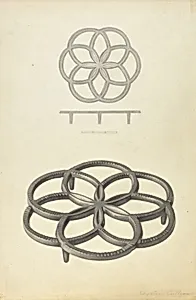
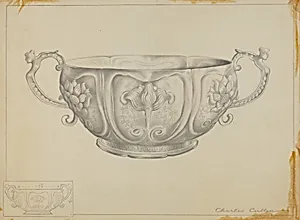
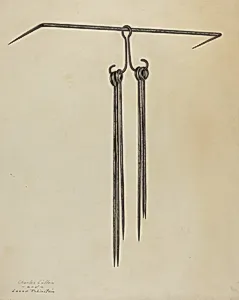
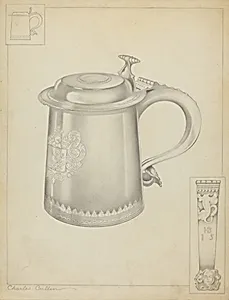
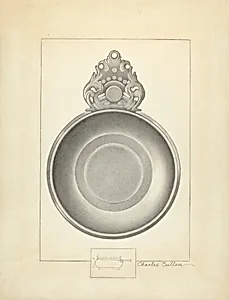
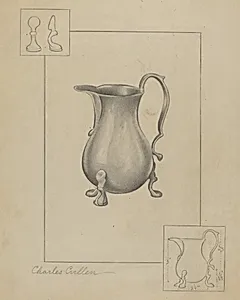
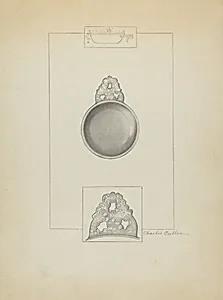
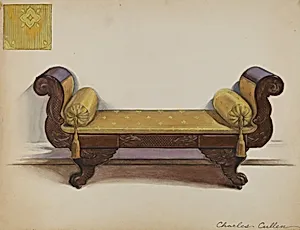
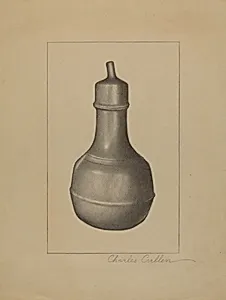
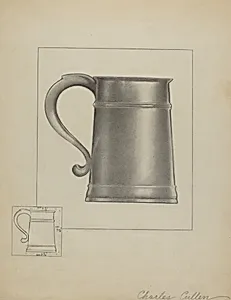
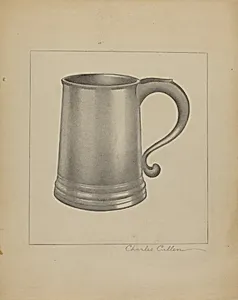
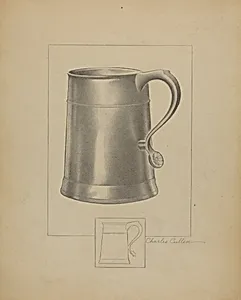
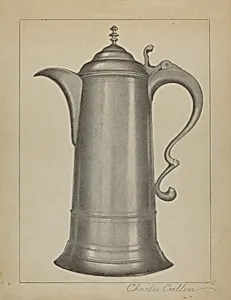
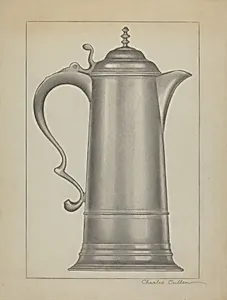
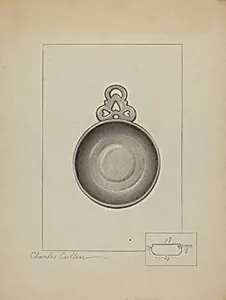
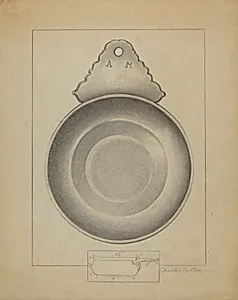
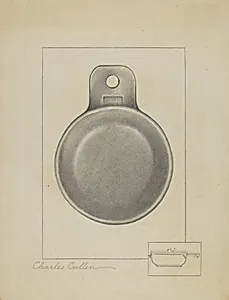
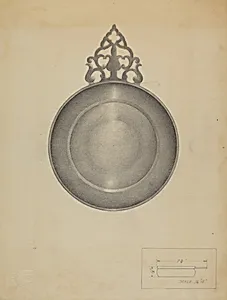
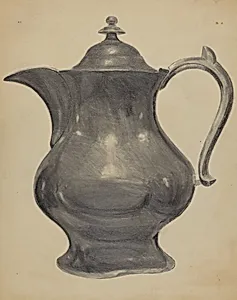
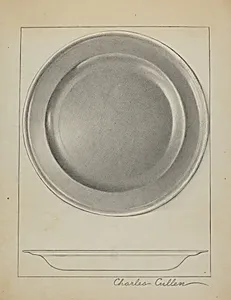
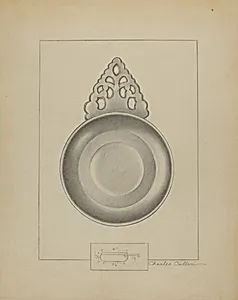
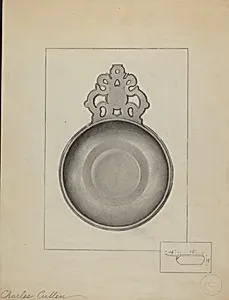
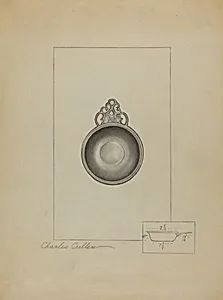
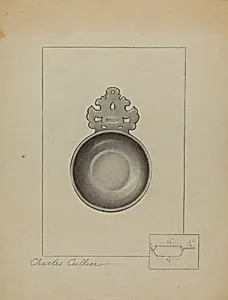
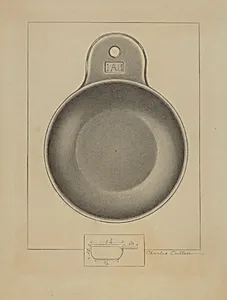
In his later years, Cullen documented early American craftsmanship for the Index of American Design, a Works Progress Administration initiative preserving national artistic heritage. From around 1936 to 1939, he produced meticulous graphite renderings of colonial-era metalwork, including multiple pewter porringers (c. 1936), tankards, flagons, and creamers, as well as silver tankards (c. 1937) and bowls (c. 1939). The National Gallery of Art holds 55 such drawings, highlighting his precision in capturing hammered surfaces and historical forms. Though his early training remains undocumented and commissions dwindled by the 1940 census—listing him unemployed for 156 weeks—Cullen's oeuvre endures as a testament to cross-cultural artistic exchanges and Depression-era preservation efforts, bridging fin-de-siècle aesthetics with American design history.