Ctrl K
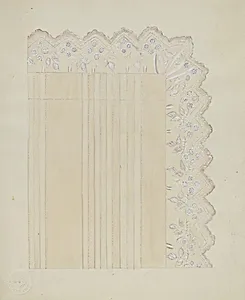
Edna Crenshaw Rex was an American artist active in the late 1930s and around 1940, best known for her meticulous contributions to the Index of American Design, the federally funded visual survey of American decorative arts produced under the Works Progress Administration's Federal Art Project. Her full name — Edna Crenshaw Rex — appears in the National Gallery of Art's records, which holds the Index collection and lists her among the approximately 1,000 artists who participated in this landmark New Deal initiative.
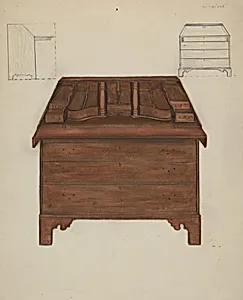
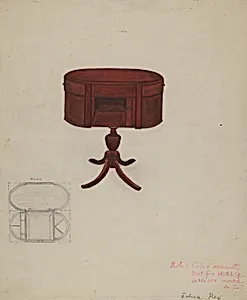
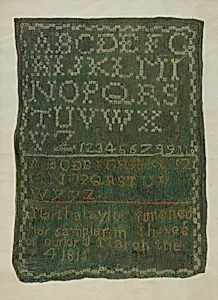
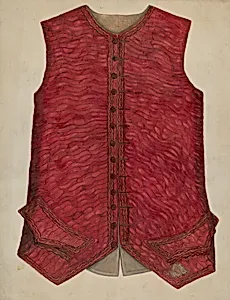
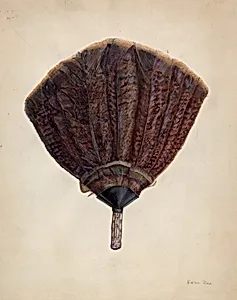
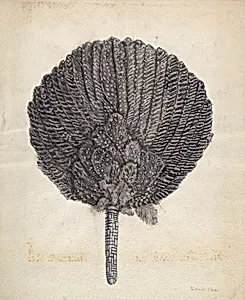
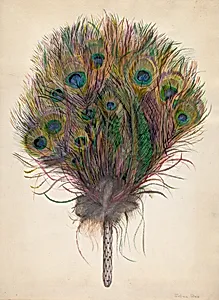
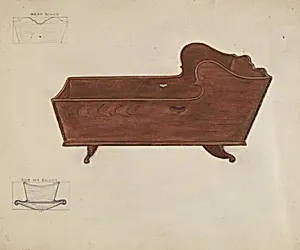
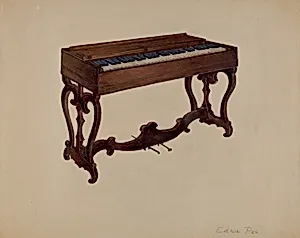
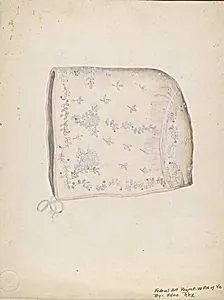
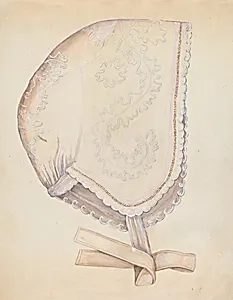
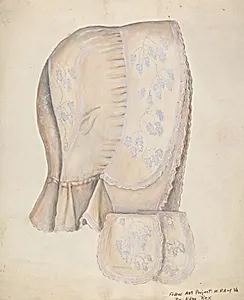
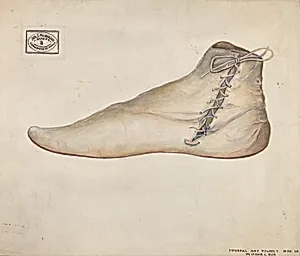
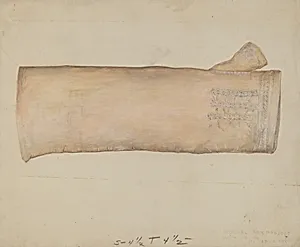
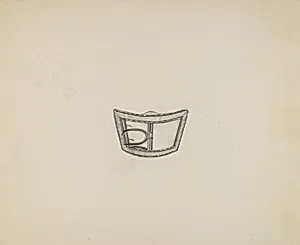
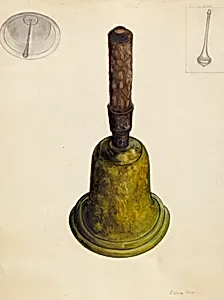
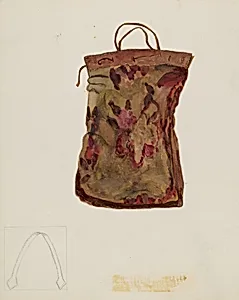
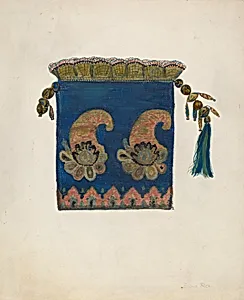
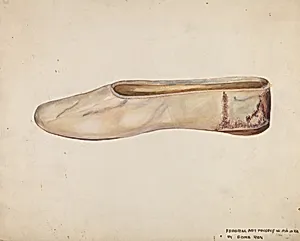
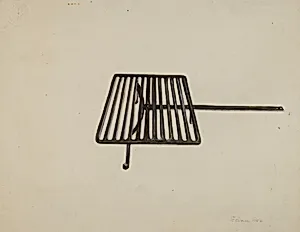
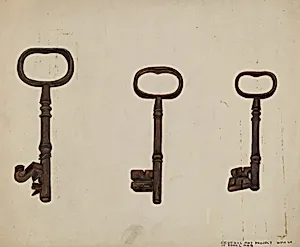
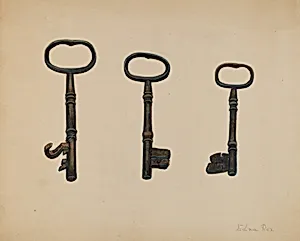
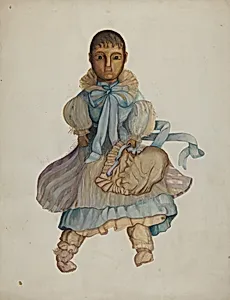
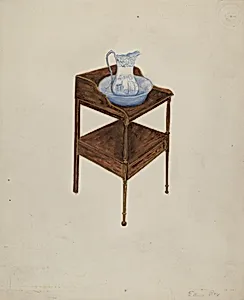
Working in watercolor, gouache, graphite, pen and ink, and colored pencil on paper, Rex demonstrated an exceptional range of subjects within the Index. Her documented works include renderings of wedding vests, fans, melodeons, Duncan Phyfe sewing cabinets, desks, samplers, cradles, and side chairs — objects representing the breadth of American domestic and decorative craft traditions from the colonial period through 1900. This variety suggests an artist assigned to document a wide cross-section of the historical collection, requiring familiarity with furniture construction, textile design, and musical instrument making alike.
The Index of American Design was one of the most ambitious cultural preservation projects in American history, producing more than 18,000 watercolor renderings that were intended to be faithful enough to the original objects that a craftsperson could reconstruct them from the image alone. Artists working on the Index were required to suppress their own stylistic preferences in service of documentary accuracy — a demanding discipline that called for sustained technical skill. The collection has been held by the National Gallery of Art since 1943.
Biographical details about Rex's life, training, and activities outside the Index project are not widely available in public records. Nevertheless, the breadth and precision of her surviving contributions mark her as one of the skilled practitioners whose collective labor gave the Index its enduring value as a resource for art historians, curators, and students of American material culture.