Ctrl K
1868–1940
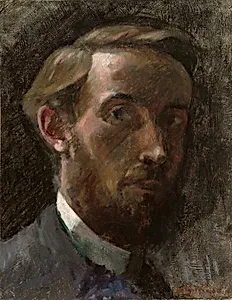
Jean-Édouard Vuillard was born on November 11, 1868, in Cuiseaux, Saône-et-Loire, France, to a retired naval captain father and seamstress mother, Marie Vuillard. After his father's early death in 1884, the family settled in Paris, where Vuillard attended the Lycée Condorcet, meeting future Nabis members like Ker-Xavier Roussel—later his brother-in-law—and Maurice Denis. He began formal training in the studio of Diogène Maillart, then studied at the Académie Julian and frequented the studios of William-Adolphe Bouguereau and Tony Robert-Fleury. Admitted to the École des Beaux-Arts in 1887 after two failed attempts, he worked under Robert-Fleury and briefly Jean-Léon Gérôme, pursuing academic figure drawing before embracing modernism.
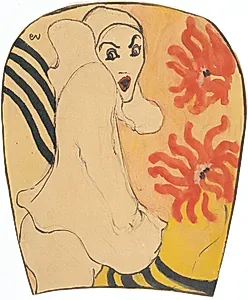
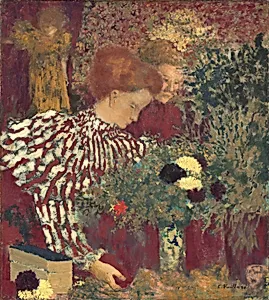
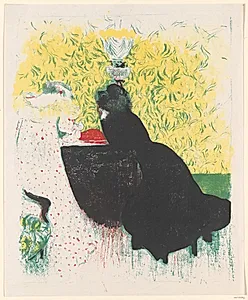
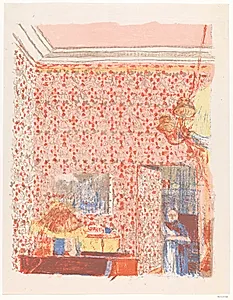
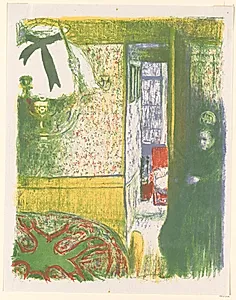
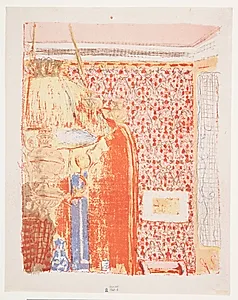
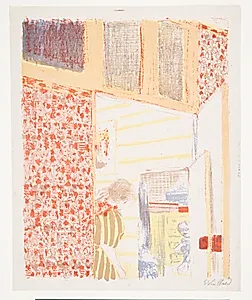
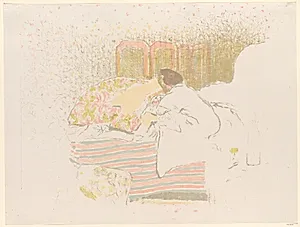
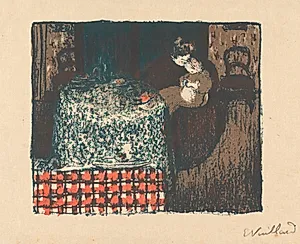
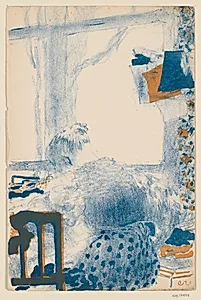
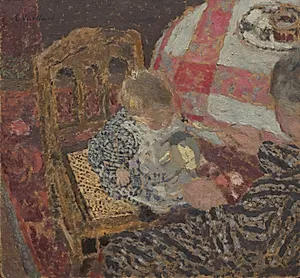
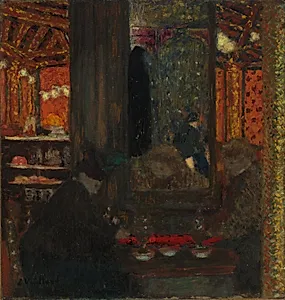
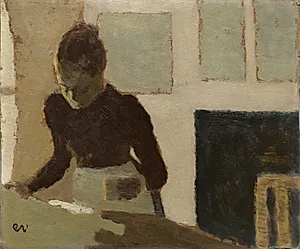
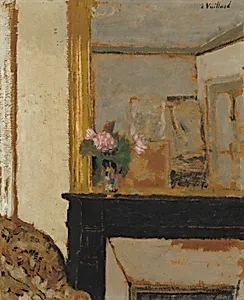
From 1891 to 1900, Vuillard was a core member of Les Nabis, the avant-garde group including Pierre Bonnard and Paul Sérusier, influenced by Paul Gauguin's Synthetism and Japanese woodblock prints. His "intimist" style captured domestic interiors through flattened planes of vibrant patterns, textiles, and subtle emotional undercurrents, often featuring his mother sewing or sister Marie, as in *La Robe à Ramages (The Flowered Dress)* (1891) and *Interior, Mother and Sister of the Artist* (1893). Key works like *The Public Gardens* series (1894), *Woman in Blue with Child (Misia Natanson)* (1899), and multi-panel screens such as *Album* (1895) blended Symbolist psychology with decorative exuberance, transforming everyday scenes into harmonious mosaics of color and form.
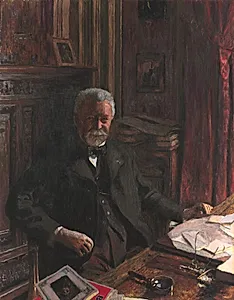
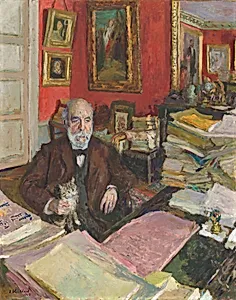
In his later career, Vuillard shifted toward realism, producing detailed portraits of cultural figures like Sacha Guitry (1925), Jeanne Lanvin (1933), and murals such as *La Comédie* (1937) for the Théâtre national de Chaillot. Commissions from patrons like the Natansons and Lucy Hessel sustained him, while his theater designs and stained-glass work expanded his decorative scope. Elected to the Académie des Beaux-Arts in 1938, Vuillard's legacy endures in major collections worldwide, influencing abstraction through his innovative patterning and intimate gaze on bourgeois life. His oeuvre bridges Post-Impressionism and modernism, proving that profound beauty hides in the familiar folds of daily existence.