Ctrl K
1916–2011
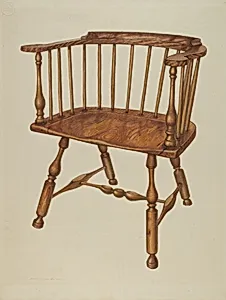
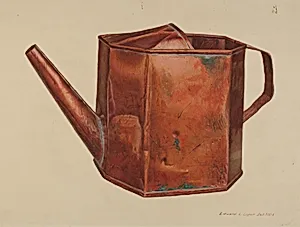
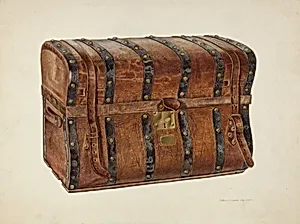
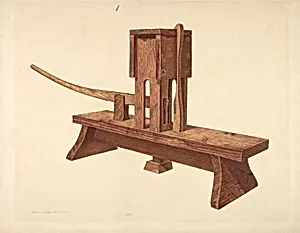
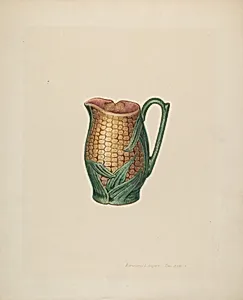
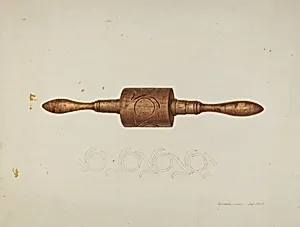
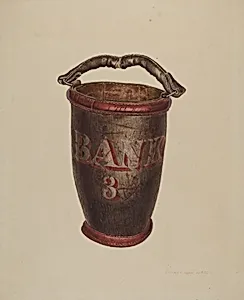
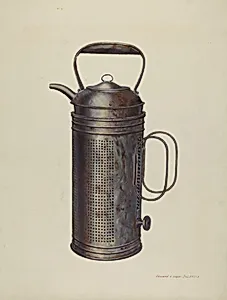
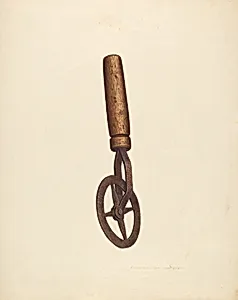
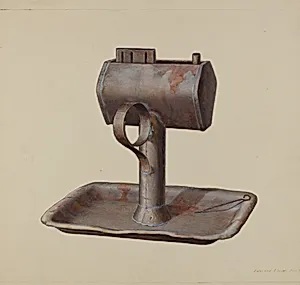
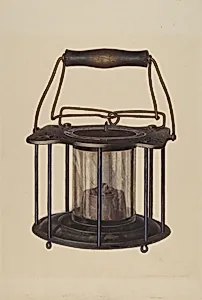
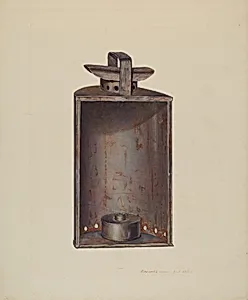
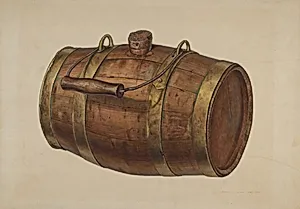
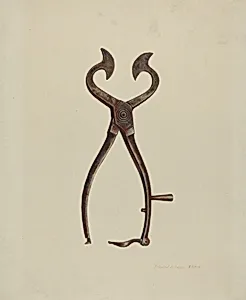
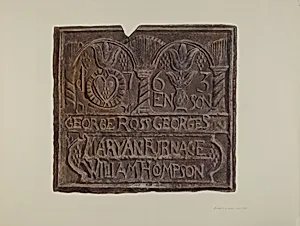
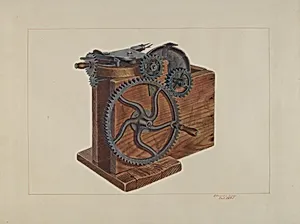
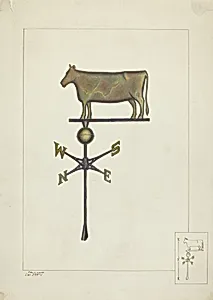
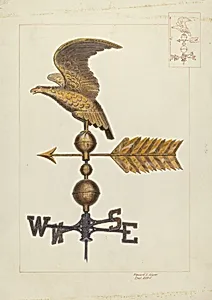
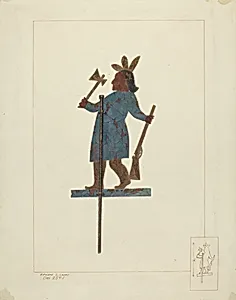
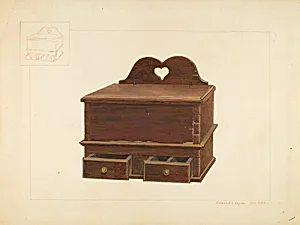
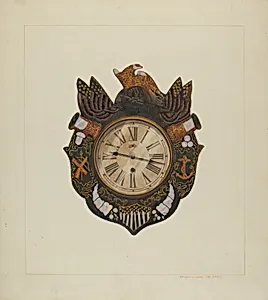
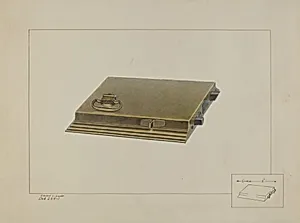
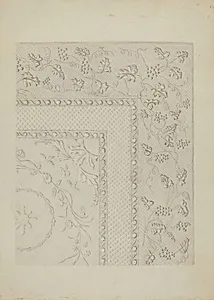
Edward Leroy Loper Sr. was born on April 7, 1916, in Wilmington, Delaware, to a poor family in the racially mixed Frogtown neighborhood, where he was raised primarily by his maternal grandmother. After graduating from Howard High School, the only secondary school available to African Americans in Delaware at the time, Loper received no formal artistic training initially but immersed himself in self-directed study. He visited the Philadelphia Museum of Art every Saturday to analyze the masters and began his professional career in 1936 with the WPA Federal Art Project's Index of American Design, producing 113 precise renderings of folk art objects like a Pennsylvania German chair (1937) and a toy bank speaking dog (1935–42). There, WPA colleague Walter Pyle, nephew of illustrator Howard Pyle, encouraged his talent. Later, from 1963 to 1968, he studied under Violette de Mazia at the Barnes Foundation in Merion, Pennsylvania, refining his command of color and structure.
Loper's style evolved from moody, representational landscapes of 1940s Wilmington into a vibrant, kaleidoscopic cubism by the 1950s, emphasizing fractured planes, geometric angles, and chromatic tension over narrative—hallmarks of his Colourist approach influenced by Cézanne's form breakdown and Picasso's refraction. Major works include *After a Shower* (1938), a stormy Wilmington night scene that won honorable mention and was acquired by the Wilmington Society of the Fine Arts; *Sunday Afternoon* (1948, oil on canvas, Pennsylvania Academy of the Fine Arts); *Across the Railroad Tracks* (1938); *My Father The Bishop* (1975, University of Delaware); and *34 St. Pierre, Quebec* (1980). His paintings dissolve object boundaries into interlocking luminous fields, evoking emotional depth through bold juxtaposition rather than light or sentimentality.
A charismatic teacher for nearly 70 years at institutions like the Delaware Art Museum, Lincoln University, and his Wilmington studio, Loper led annual summer painting trips to Quebec City, mentoring generations—including his son, Edward L. Loper Jr., an accomplished painter in his own right. His legacy endures in permanent collections at the National Gallery of Art, Philadelphia Museum of Art, Delaware Art Museum, and University of Delaware (which inherited his oeuvre upon his 2011 death at age 95). Retrospectives like *From the Prism's Edge* (1996) and *On the Path of the Masters* (2007) celebrated his pioneering abstraction among African American artists, earning honors including the Governor's Award for the Arts (1998) and honorary doctorates. Loper shattered barriers as Delaware's visionary color prophet, his work bridging regionalism and modernism.