Ctrl K
1805–1887
Eugène Bléry (1805–1887) was a French engraver and etcher whose refined printmaking brought him considerable recognition among connoisseurs of the graphic arts during the nineteenth century. He trained in Paris and developed a particular affinity for landscape subjects rendered through the demanding medium of etching, where his technical precision and sensitivity to natural light set his work apart from many contemporaries.
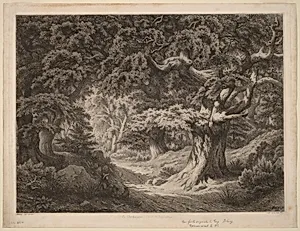
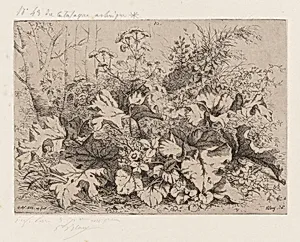
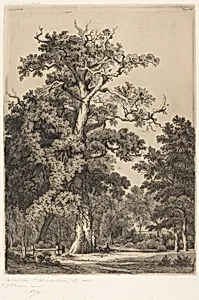
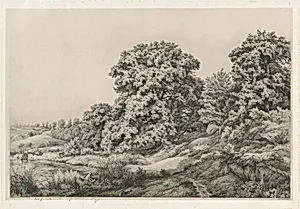
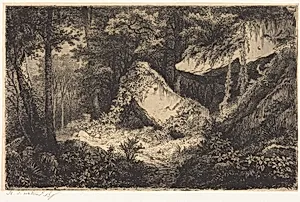
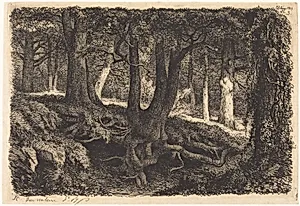
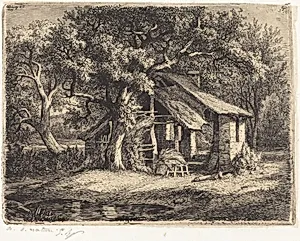
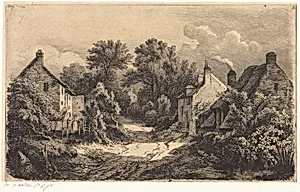
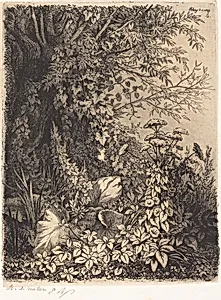
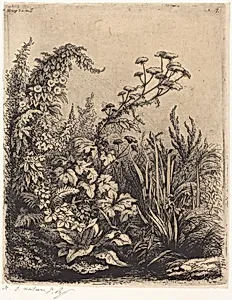
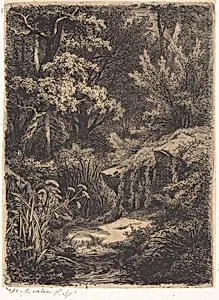
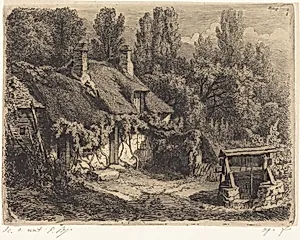
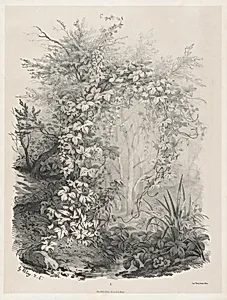
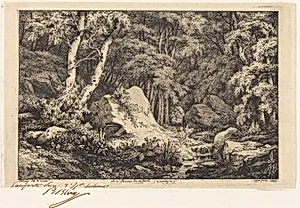
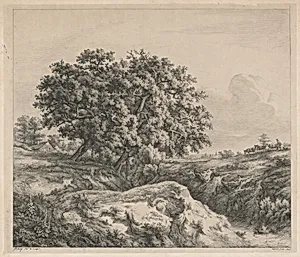
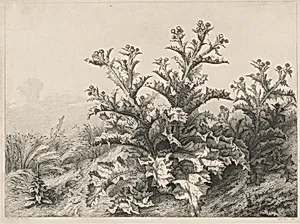
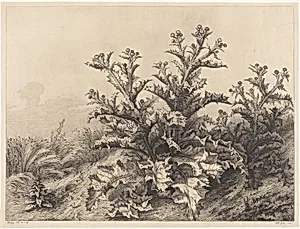
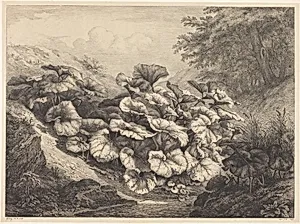
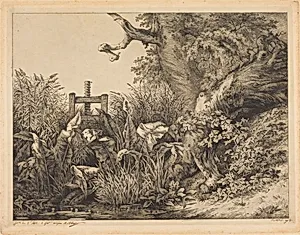
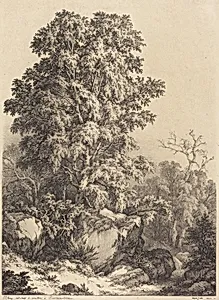
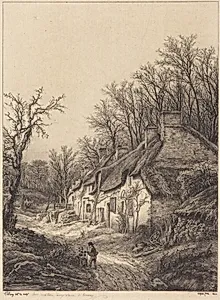
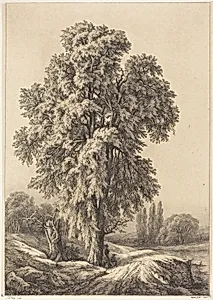
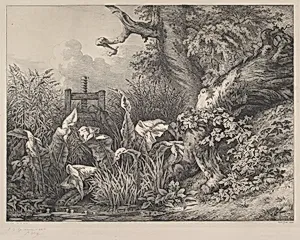
Bléry's prints are characterized by their delicate rendering of foliage, water, and atmospheric effects — qualities that aligned him with the broader Romantic interest in nature as a subject worthy of serious artistic attention. He was especially admired for his ability to suggest depth and luminosity through fine, controlled line work, and his landscapes often carry a meditative stillness that appealed to collectors and critics alike. His etchings of forests, riverbanks, and rural scenes reflect an attentive observation of the natural world.
Over the course of his career, Bléry exhibited at the Paris Salon and earned a reputation as one of the foremost French printmakers of his generation. He also contributed to the revival of etching as a fine art medium in France, a movement that would gain considerable momentum in the second half of the nineteenth century with artists such as Francis Seymour Haden and Charles Meryon. His technical writings and teachings further cemented his standing within the French printmaking community.
Though Bléry's name is less frequently encountered today than those of his painter contemporaries, his prints remain valued by specialists for their technical accomplishment and their quietly poetic evocation of the French countryside. His work occupies an honorable place in the history of nineteenth-century European printmaking, bridging the classical tradition of engraving and the more spontaneous etching revival that followed.