Ctrl K
1848–1855
Eugène Constant (before 1820 – after 1860) was a French painter who became one of the pioneering photographers of the 19th century, capturing the grandeur of Italy's ancient monuments with unprecedented clarity.) Trained as a painter in Paris during the early 1840s, where he maintained a studio at 31 rue du Marché-Saint-Honoré, Constant exhibited interior views of Venice's Basilica of San Marco and its baptistery at the Salon des artistes vivants in Paris and the Salon in Brussels in 1842. Drawn to the nascent field of photography, he mastered William Henry Fox Talbot's calotype process and collaborated with Louis Adolphe Humbert de Molard to refine Abel Niépce de Saint-Victor's 1847 albumen-on-glass negative technique, marking a technical leap in the medium.
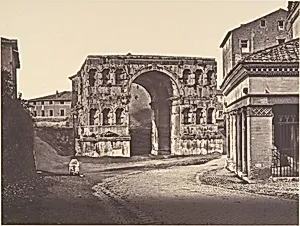
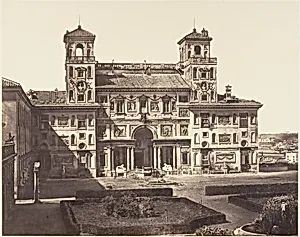
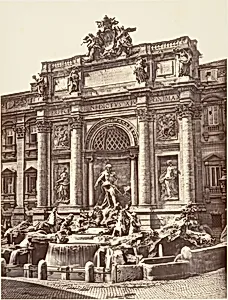
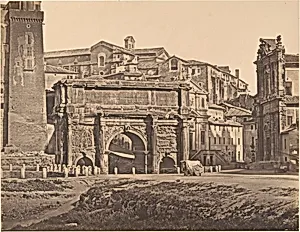
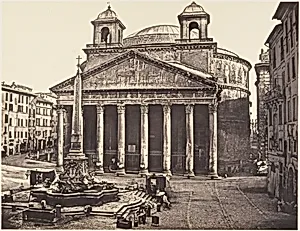
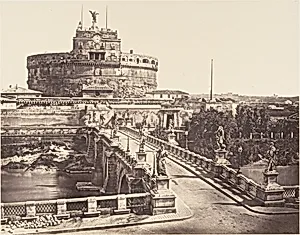
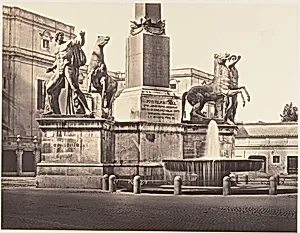
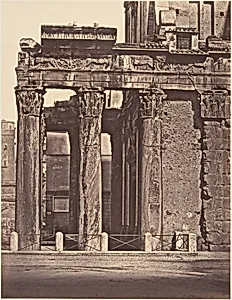
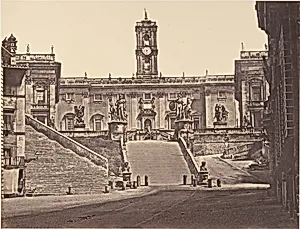
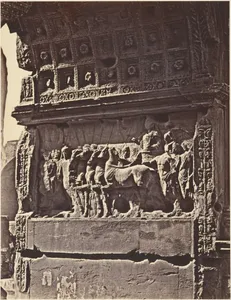
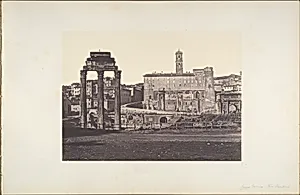
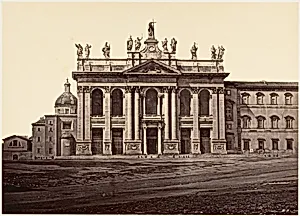
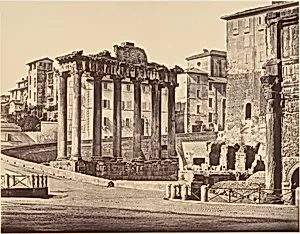
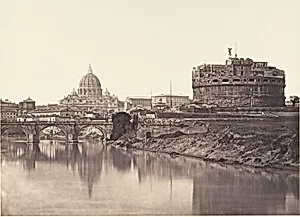
Relocating to Italy, Constant immersed himself in Venice and Rome, where he worked from 1848 to 1855, becoming the first photographer in Rome to employ the albumen glass plate method. He joined the vibrant expatriate art scene at Rome's Caffè Greco, associating with fellow painter-photographers including compatriots Frédéric Flachéron and Alfred-Nicolas Normand, Briton James Anderson, and Italian Giacomo Caneva.) Over four intensive years (1848–1852), he produced salted paper and albumen prints documenting Rome's ruins, blending his painterly eye for composition with photography's documentary precision. His style emphasized architectural details and atmospheric light, evoking the Romantic fascination with antiquity.
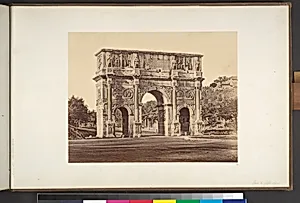
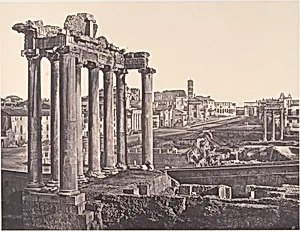
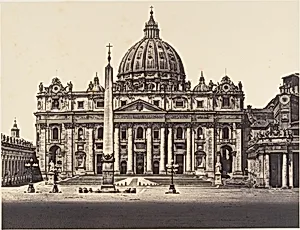
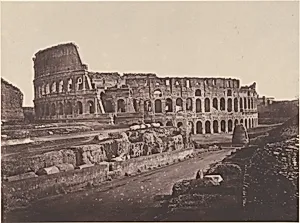
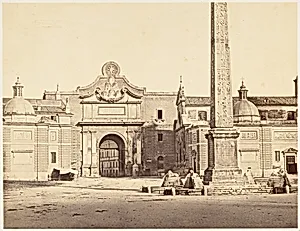
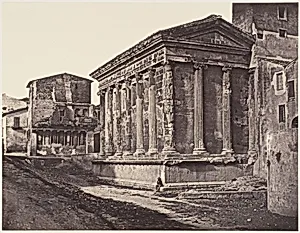
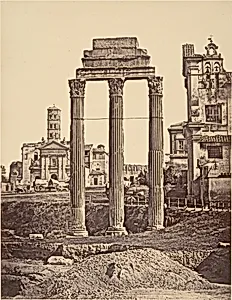
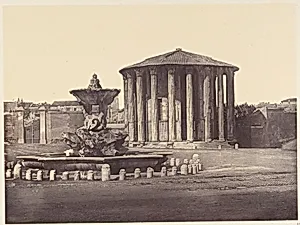
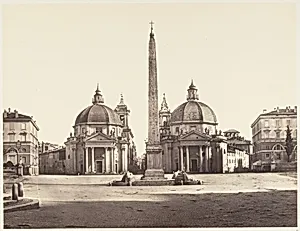
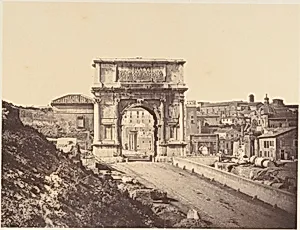
Constant's masterpieces include the album *Roma*, published by Édouard Mauche et Cie (1848–52), featuring thirty views such as *Tempio della Pace*, *Foro Romano (Campo Vaccino)*, *Colosseum*, *Piazza del Popolo*, and *Arco di Tito*—many preserved in the Metropolitan Museum of Art's Gilman Collection. Venetian works like *Palazzo Ca' d'Oro* (c. 1852) complemented his Roman oeuvre. He exhibited at the 1851 Great Exhibition and Royal Society of Arts in London (with Caneva and Flachéron), and the Société française de photographie in 1855 and 1857.
Constant's legacy endures as a bridge between painting and photography, his images among the earliest visual records of Rome's timeless sites. Held in institutions like the J. Paul Getty Museum, National Gallery of Canada, and Société française de photographie, his prints have featured in exhibitions such as *Roma 1850* (2004) and *Voir l'Italie et mourir* (2009, Musée d'Orsay), cementing his role in the history of early photography.)