Ctrl K
1855
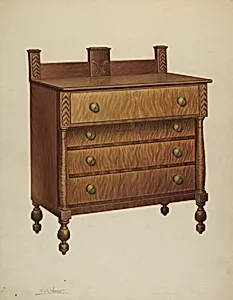
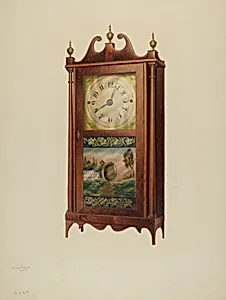
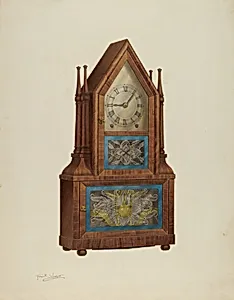
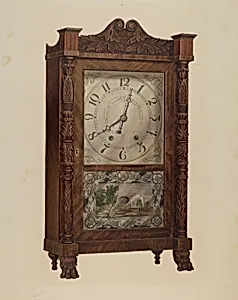
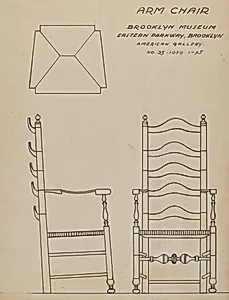
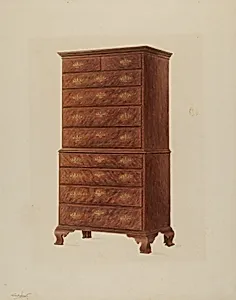
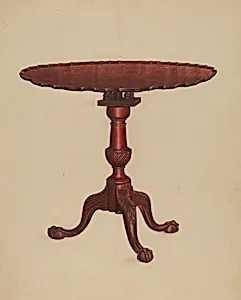
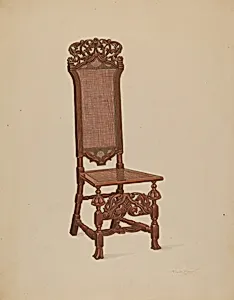
**Frank Wenger** (American, active c. 1935) was a meticulous artist whose precise renderings captured the elegance of traditional American furniture during the Great Depression era. Little is known about his early life or formal training, as biographical details remain scarce. What endures is his substantial body of work—over 50 pieces—created as part of the Index of American Design (IAD), a Federal Art Project under the Works Progress Administration (WPA) from 1935 to 1942. This ambitious initiative commissioned artists nationwide to document the nation's folk art and crafts through detailed, museum-quality illustrations, preserving cultural heritage at a time of economic hardship.
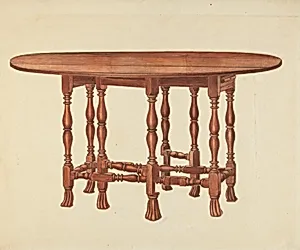
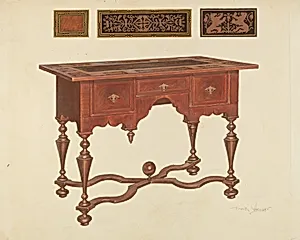
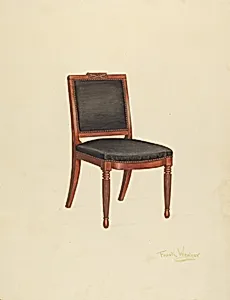
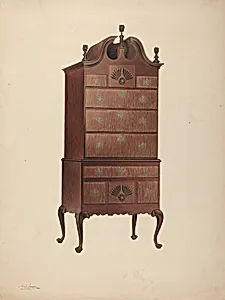
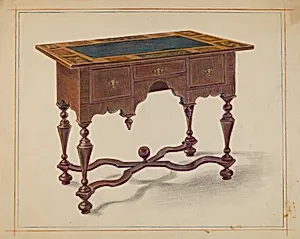
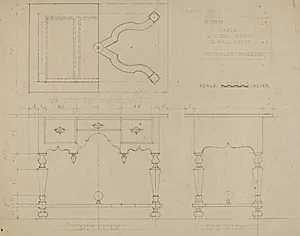
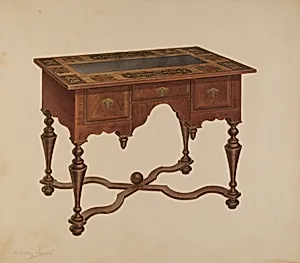
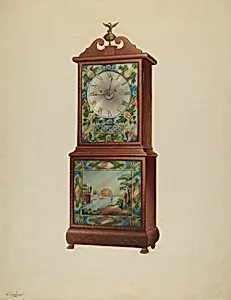
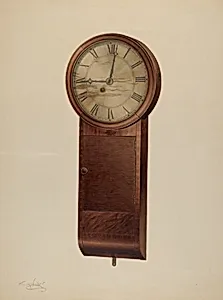
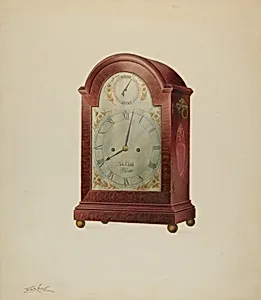
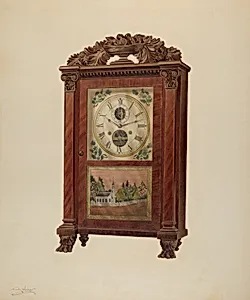
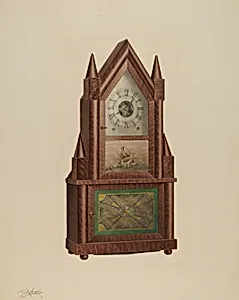
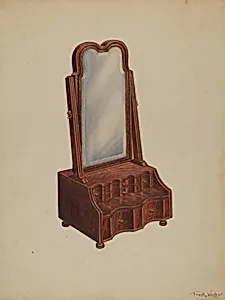
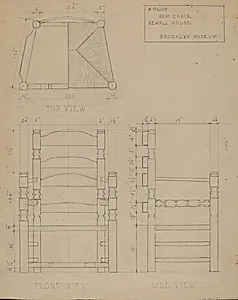
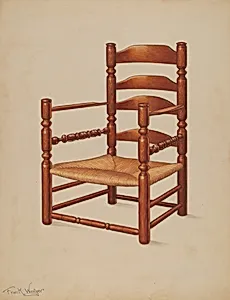
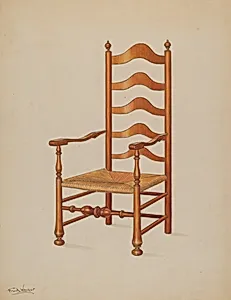
Wenger specialized in watercolor, graphite, colored pencil, and pen-and-ink depictions of furniture, blending technical accuracy with artistic sensitivity to highlight craftsmanship details like joinery, ornamentation, and proportions. His renderings evoke the simplicity and functionality of Shaker, Colonial, and Federal styles, often featuring everyday objects transformed into icons of American ingenuity. Notable examples include the *Side Chair* (1936), a spare Shaker-inspired form; the *Desk* (1936), showcasing intricate dovetailing; the *Writing or Sewing Table* (c. 1936); and the *Shelf Clock* (c. 1938), with its hooded case and delicate inlays. Other highlights encompass sofas, stools, lowboys, highboys, gate-leg tables, and settees, many dated between 1935 and 1942.
Today, Wenger's contributions form a cornerstone of the National Gallery of Art's IAD collection, comprising 57 works that offer invaluable insights into America's decorative arts legacy. By translating three-dimensional heirlooms into enduring two-dimensional records, he helped safeguard regional traditions—from New England simplicity to Southern opulence—against oblivion. His output not only aided scholars and designers but also inspired mid-20th-century revivals of vernacular styles, underscoring the IAD's role in fostering national pride through art. Though personal milestones elude us, Wenger's technical prowess ensures his place in the annals of American design documentation.