Ctrl K
1853–1943
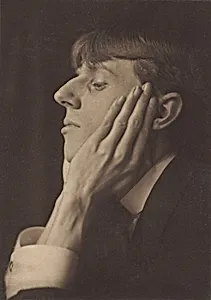
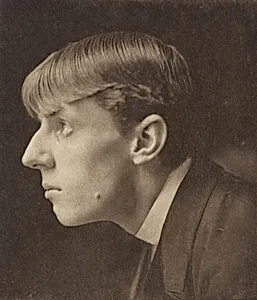
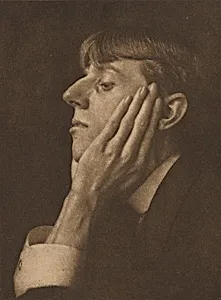
Frederick H. Evans was born in London on 26 June 1853 and lived there his entire life, dying just two days before his ninetieth birthday in 1943. His first career was as a bookseller, operating a shop in Cheapside where he became a well-connected figure in London's intellectual life, counting the playwright George Bernard Shaw and the illustrator Aubrey Beardsley among his friends and customers. He took up photography as a serious pursuit around 1890 and eventually retired from bookselling in 1898 to become a full-time photographer, adopting the platinotype process — which produced prints of exceptional tonal subtlety, a matte surface, and remarkable longevity — as his exclusive medium.
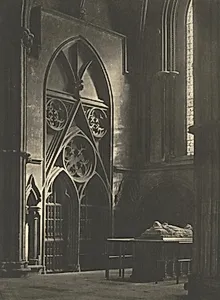
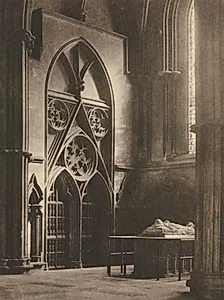
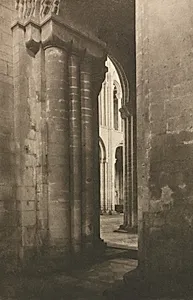
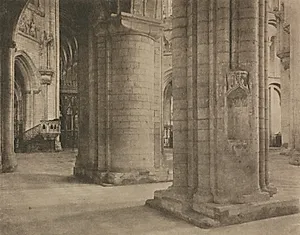
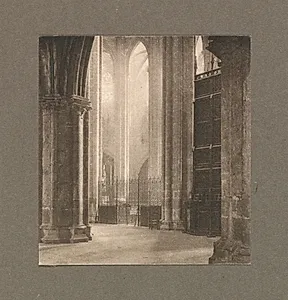
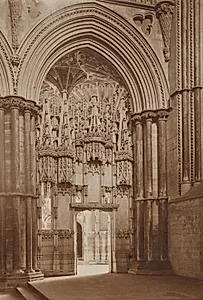
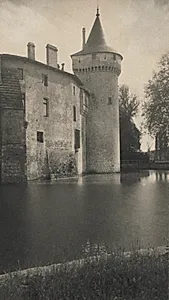
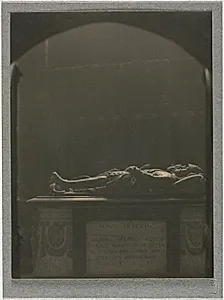
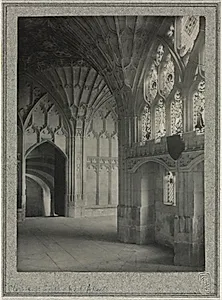
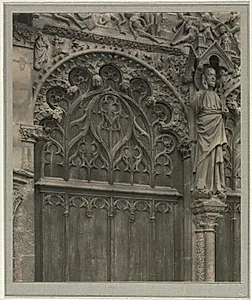
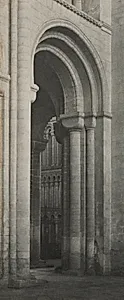
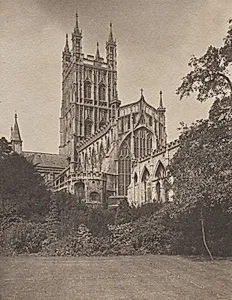
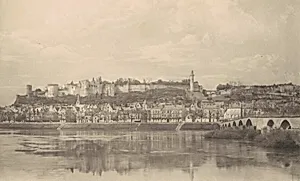
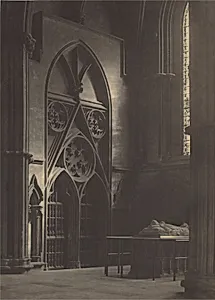
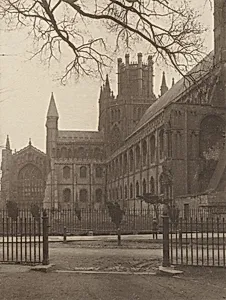
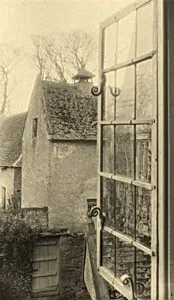
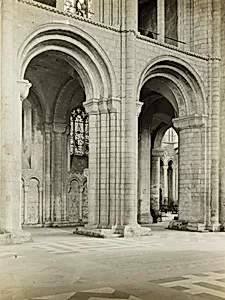
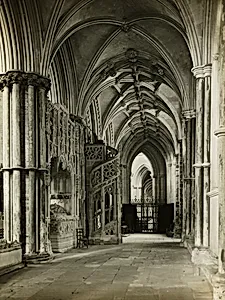
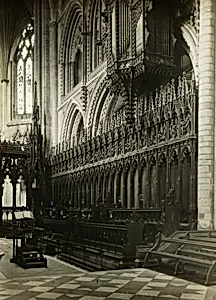
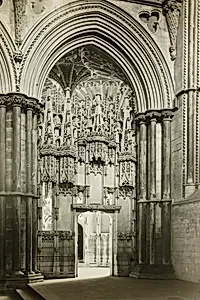
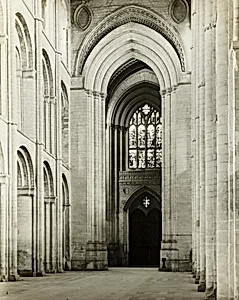
Evans devoted his photographic career almost entirely to the architecture of English and French Gothic cathedrals and historic houses. His method was one of patient, almost meditative preparation: he would spend weeks inside a cathedral at different hours and seasons, studying how light moved through the nave, the transepts, and the choir, waiting for the precise convergence of illumination and atmosphere he sought. He refused to manipulate his negatives or prints in any way, believing that the highest achievement of photography lay in the truthful rendering of what the camera saw. His major architectural photographs — including Height and Light in Bourges Cathedral (1903), Across Nave and Octagon (1903), and In Sure and Certain Hope (1903–04) — remain benchmarks of the genre. In 1903 Alfred Stieglitz devoted the fourth issue of his influential journal Camera Work entirely to Evans's cathedral images.
When the cost of platinum rose sharply during the First World War and Evans declined to adopt cheaper alternative processes that he felt compromised image quality, he retired from photography in 1915 rather than sacrifice his standards. He received an honorary fellowship from the Royal Photographic Society in 1928. His insistence on pure vision and technical integrity, and his ability to make stone, light, and silence speak with spiritual force, established him as perhaps the finest architectural photographer of his era — an artist whose work belongs as much to the tradition of sacred art as to the history of the photograph.