Ctrl K
1885–1995
George File is an artist whose work survives in museum collections in sufficient number to indicate a sustained and productive career, even though the biographical details that might place him within a specific artistic tradition — his dates, his nationality, his training — have not been established in the sources currently accessible to researchers. His name appears consistently enough across institutional holdings to confirm a real individual career rather than a confusion of attributions.
The character of File's likely practice would have been shaped by the training conventions and market conditions of whatever period and place in which he was active. Artists of the nineteenth and early twentieth centuries working outside the most prominent metropolitan centers often pursued training through regional academies, private instruction, or self-directed study, building their practices in response to local patronage, exhibition opportunities, and the aesthetic preferences of the communities they served.
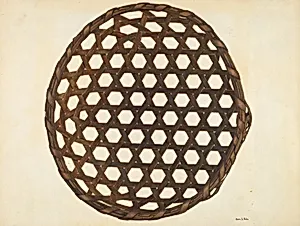
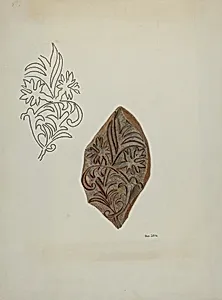
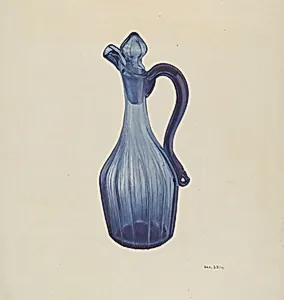
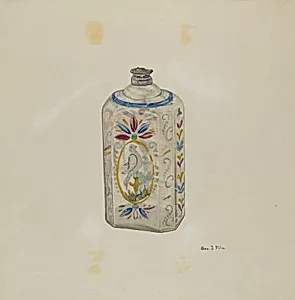
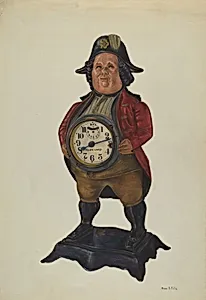
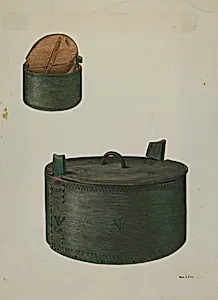
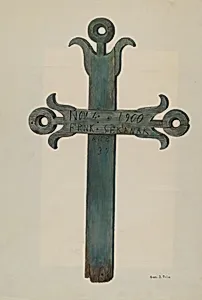
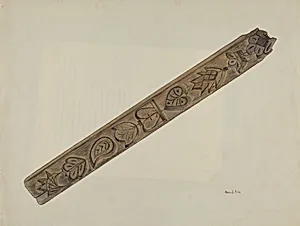
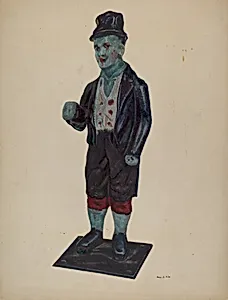
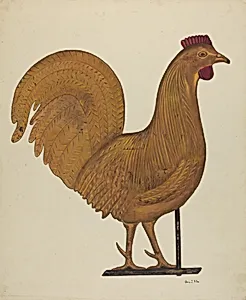
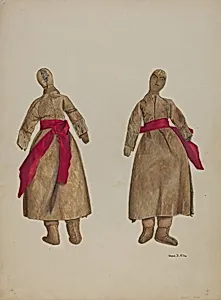
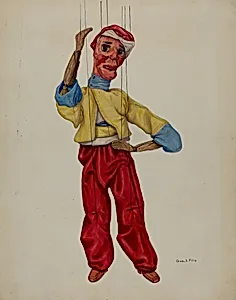
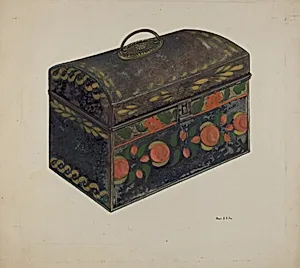
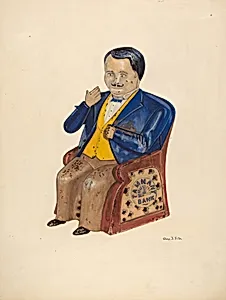
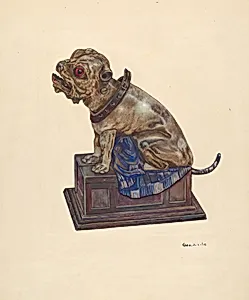
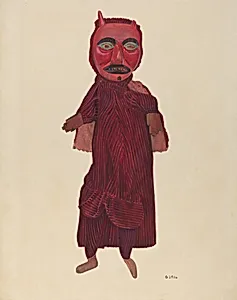
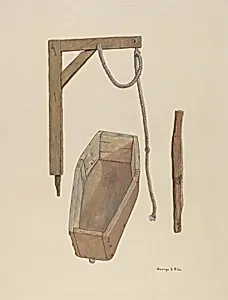
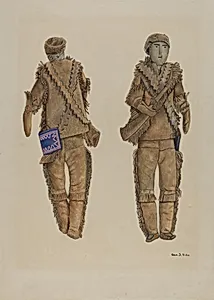
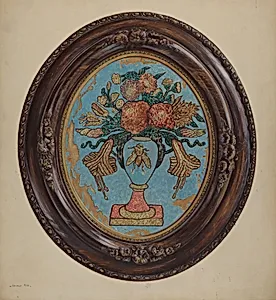
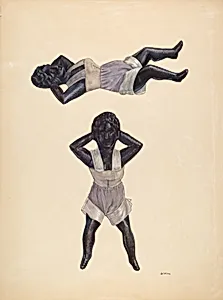
File's surviving body of work — around forty recorded pieces — points to a practitioner with genuine technical command and a consistent output that earned the sustained interest of collectors and institutions. Whether his work was figurative, landscape, or of another character, it evidently possessed qualities that made it worth acquiring and preserving across the decades that have intervened between his active career and the present.
George File represents a category of artist whose full story remains largely unwritten and whose recovery would enrich our understanding of the broader landscape of artistic production in his era. Regional archives, artist directories, exhibition records, and period newspapers may yet yield the documentation needed to give a fuller account of who he was, where he worked, and what made his art worth keeping.