Ctrl K
1855
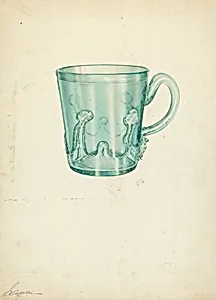
**Giacinto Capelli** (American, active c. 1935–1942) contributed significantly to the documentation of American material culture through his precise watercolor renderings as part of the Index of American Design, a Federal Art Project under the Works Progress Administration (WPA). Little is known about his early life or formal training, which remains sparsely documented, though his expertise in watercolor suggests professional experience in New York City, where he later offered private lessons. Active during the Great Depression era, Capelli aligned with the WPA's mission to employ artists in creating a visual archive of everyday American crafts, folk art, and design objects from colonial times onward.
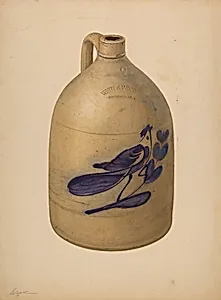
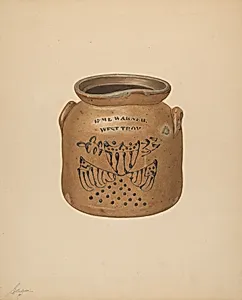
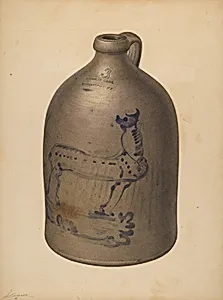
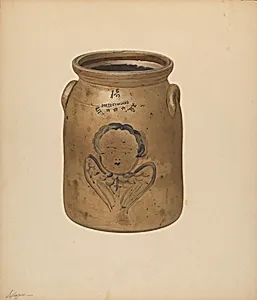
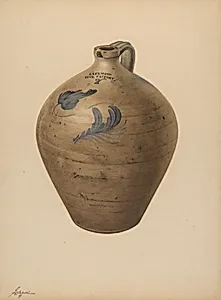
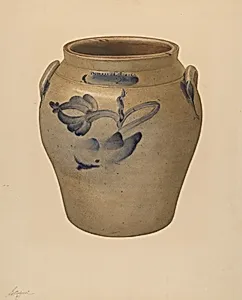
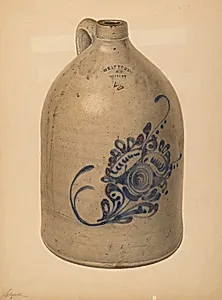
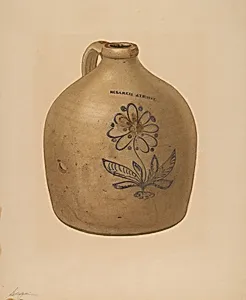
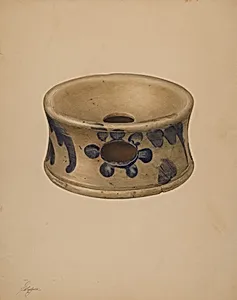
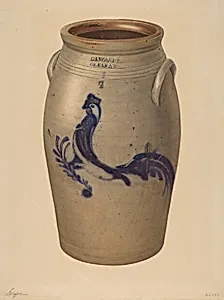
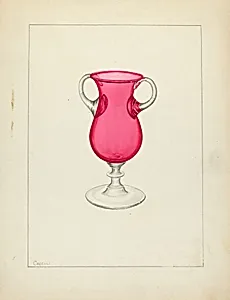
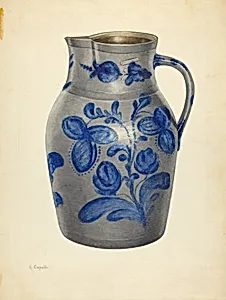
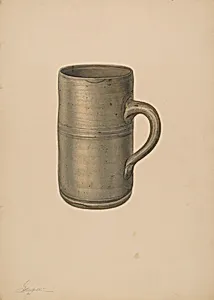
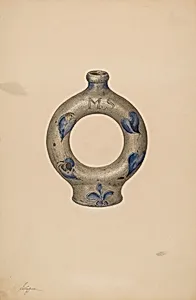
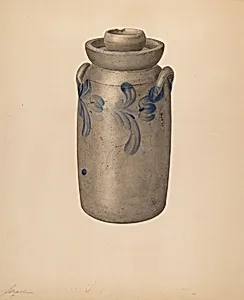
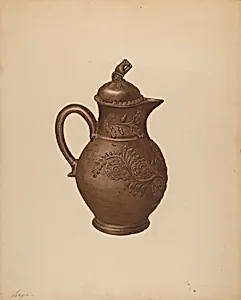
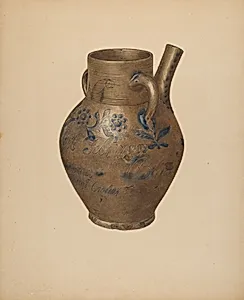
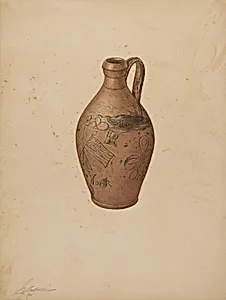
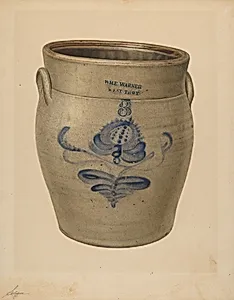
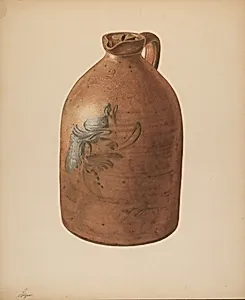
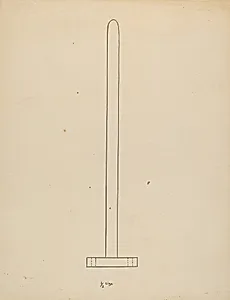
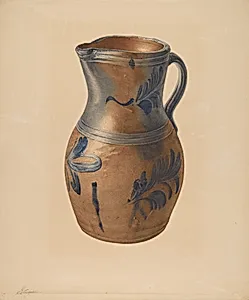
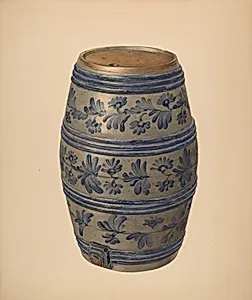
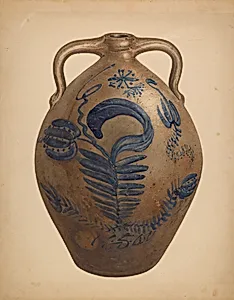
Capelli's artistic style emphasized meticulous realism, employing watercolor, graphite, and colored pencil on paperboard to capture the textures, forms, and decorative details of utilitarian items with photographic accuracy. His works belong to the Index of American Design tradition, prioritizing historical preservation over personal expression. Notable examples include *Silver Teapot* (c. 1936), depicting an elegant chased silver vessel; *Pa. German Plate* (c. 1939), showcasing vibrant folk motifs; *Jug* (c. 1941), a sturdy earthenware form; and *Pitcher* (c. 1940), highlighting functional pottery shapes. The National Gallery of Art holds 98 such pieces by Capelli, spanning silverware like porringers, creamers, and trays; ceramics such as jars, pots, and molasses jugs; and other objects including lamps and butter churns, all dated roughly 1935–1942.
Though Capelli produced no major independent oeuvre beyond the IAD, his legacy endures in safeguarding a comprehensive record of America's diverse craft heritage—from Pennsylvania German pottery to early American silver—amid the WPA's broader cultural rescue efforts. These renderings not only educated the public on national design history but also influenced later studies in American decorative arts, ensuring that humble household items gained artistic immortality. Today, Capelli's output remains a vital resource for scholars and museums, underscoring the WPA artists' role in bridging artistry and historical documentation.