Ctrl K
1698–1765
Giovanni Battista Natali III (1698–1765) was an Italian painter active during the eighteenth century, belonging to a distinguished artistic dynasty that extended across several generations in northern Italy. The Roman numeral designation indicates his place within this family lineage of artists, a common circumstance in Italian artistic culture where craft and vocation were frequently passed from father to son across multiple generations.
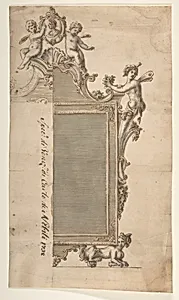
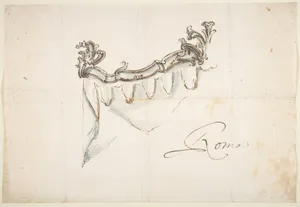
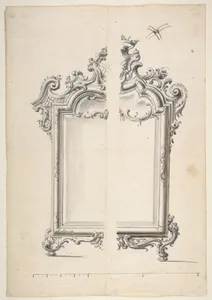
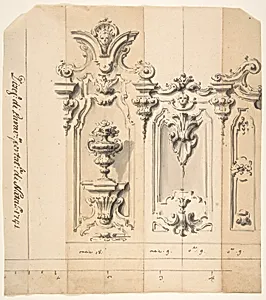
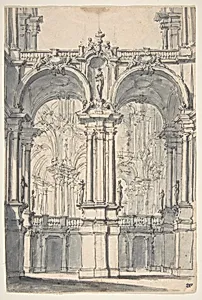
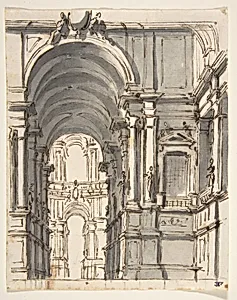
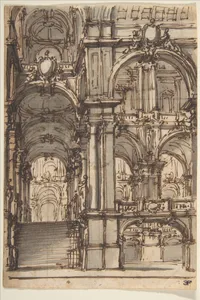
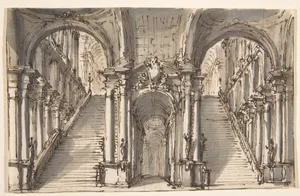
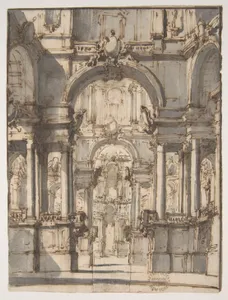
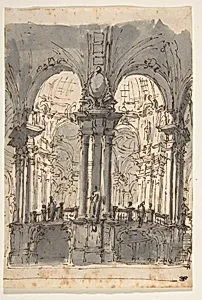
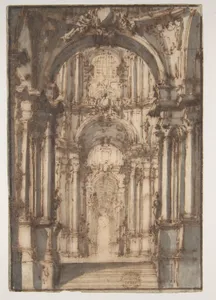
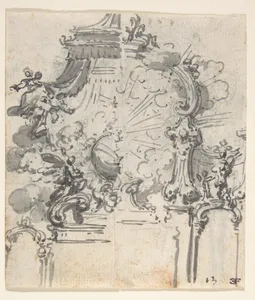
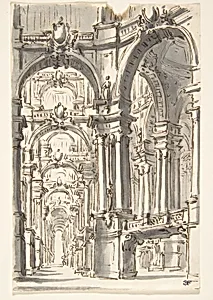
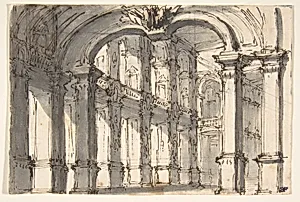
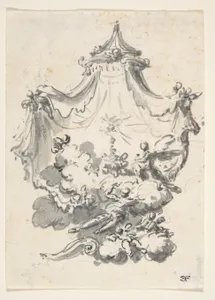
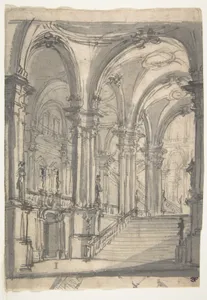
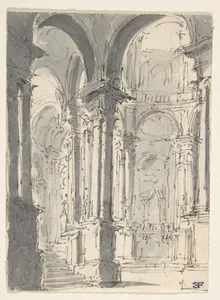
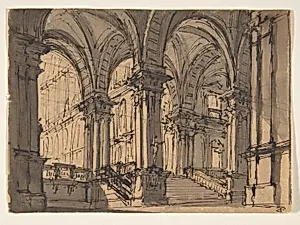
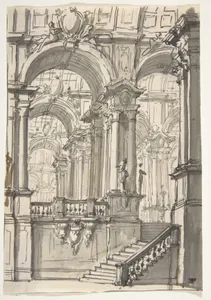
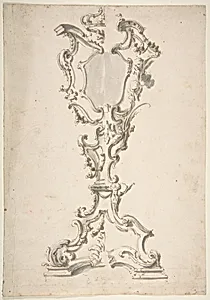
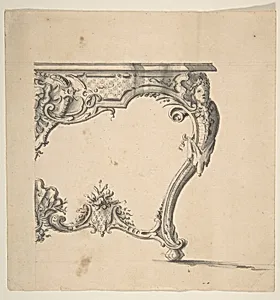
Natali worked primarily as a decorative and fresco painter, a specialization well suited to the demands of eighteenth-century Italian patrons who sought to embellish churches, palaces, and villas with illusionistic ceiling paintings and elaborate interior schemes. The Italian Settecento was a period of rich decorative achievement, and painters who could render architectural trompe l'oeil and populate soaring ceilings with figures in motion were highly prized. Natali operated within this tradition, contributing to the visual culture of his region with works that reflected the prevailing tastes of Baroque and early Rococo decoration.
The specifics of his training are consistent with his dynastic background — he would have learned the fundamentals of painting within his family workshop before developing his skills through practice and exposure to the broader Italian decorative tradition. The influence of earlier masters of quadratura painting, who specialized in painted architectural extensions of real spaces, is evident in the type of work associated with the Natali family.
Giovanni Battista Natali III occupies a modest but legitimate place in the history of Italian decorative painting. His work reflects the sustained vitality of a regional artistic tradition in the age of the grand Baroque interior, and the family legacy of which he formed a part contributed meaningfully to the visual life of northern Italy during the seventeenth and eighteenth centuries.