Ctrl K
1855
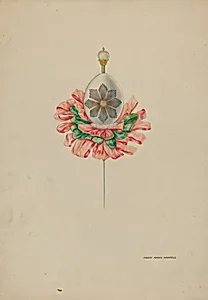
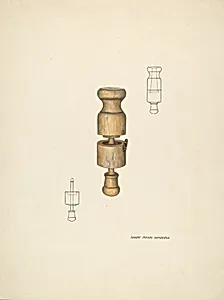
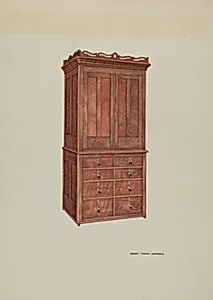
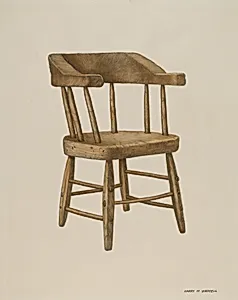
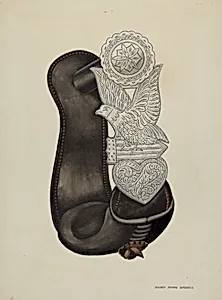
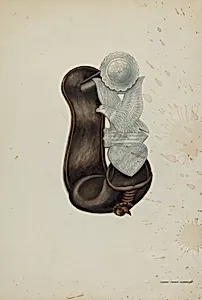
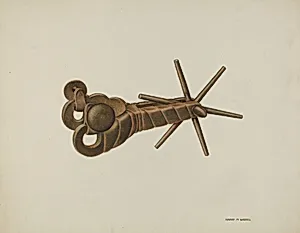
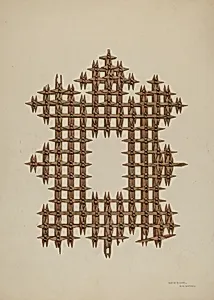
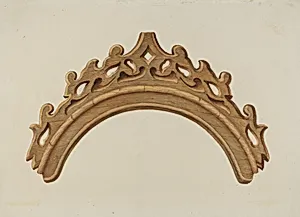
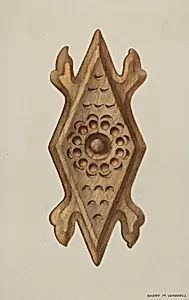
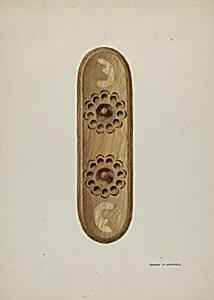
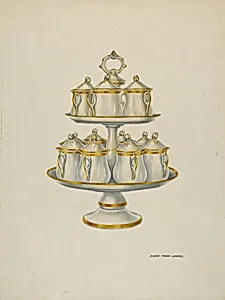
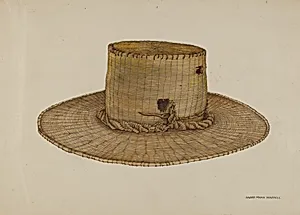
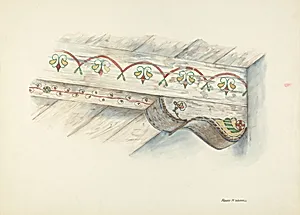
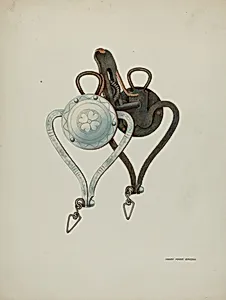
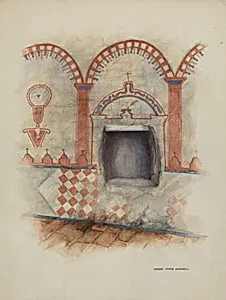
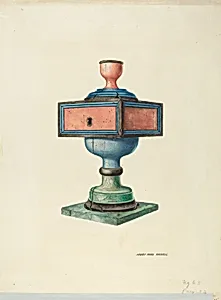
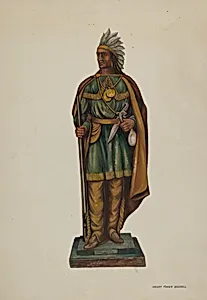
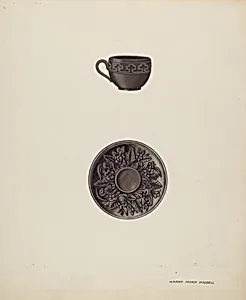
Harry Mann Waddell (1876–1956) was an American artist born on June 22, 1876, in Ohio, whose career flourished in California after he settled in Los Angeles by 1936. There he established a studio, working as a freelance draftsman while creating fine art in his spare time. His early life and formal training remain not well documented, but by the late 1930s, Waddell had become a key contributor to the Index of American Design, a Federal Art Project under the Works Progress Administration (1935–1942). In this ambitious endeavor, he produced hundreds of precise renderings documenting everyday American crafts, folk art, and architectural details, often collaborating with artists like Geoffrey Holt on mission restorations and Eva Fox on equestrian objects.
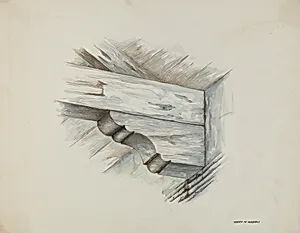
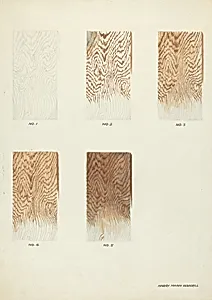
Waddell's style was characterized by meticulous draftsmanship, capturing textures, grains, and intricate details with technical virtuosity. Working primarily in watercolor, graphite, pen and ink, and colored pencil, he excelled at rendering wood grains, metalwork, and organic forms, as seen in his technique demonstrations and object studies. Beyond the IAD, he painted in oil, producing impressionistic landscapes and marines—nautical scenes of ships battling rough seas or approaching rocky coasts—and ventured into color woodcuts, evoking California's natural beauty. He exhibited at the Los Angeles Art Association in 1940, showcasing his versatility across genres like figure, marine, and western landscapes.
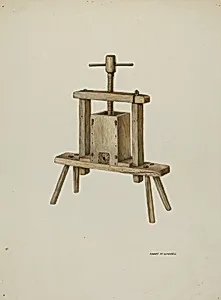
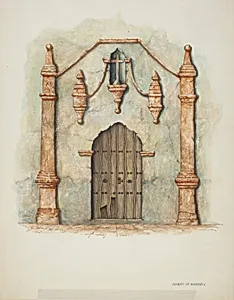
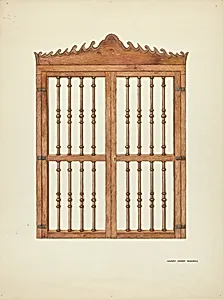
Among his major works are the evocative *Cabinet* (c. 1940), *Cider Press* (c. 1940), and *Jar* (c. 1937), alongside restoration drawings like *Iron Grille at Window* (c. 1936) and *Door, Facade of Mission House* (1937) with Geoffrey Holt. His color woodcut *California Oaks* (1938) and oils such as *Autumn Colors* (1934) and *Slamming Into It* highlight his broader oeuvre. The National Gallery of Art holds over 100 of his IAD pieces, preserving his legacy as a chronicler of America's material culture.
Waddell's contributions endure through the IAD's archival value, bridging artistry and historical preservation. His detailed depictions not only celebrated craftsmanship but also educated future generations on regional design traditions, from Spanish mission ironwork to vernacular tools. Auction interest in his oils and prints underscores his niche appeal among collectors of early 20th-century American regionalism.