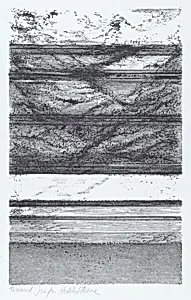
Hedda Sterne (1910–2011) was a Romanian-born American artist whose remarkably long career and restless artistic intelligence made her one of the most distinctive — and persistently underacknowledged — figures in twentieth-century American art. Born Hedwig Lindenberg in Bucharest, she studied in Vienna, Paris, and Bucharest, absorbing Surrealism and Constructivism before emigrating to New York in 1941 to escape the Nazi occupation of Europe.
In New York, Sterne quickly joined the Abstract Expressionist circle, becoming close friends with artists including Saul Steinberg, whom she later married. She is perhaps most widely known for appearing in the famous 1950 Life magazine photograph 'The Irascibles' — a group portrait of the leading Abstract Expressionist painters — as the sole woman among the fifteen artists depicted. Yet this iconic image has paradoxically contributed to her marginalization, reducing her complex independent practice to a supporting footnote in a male-dominated narrative.
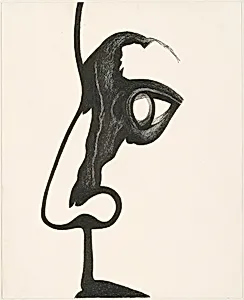
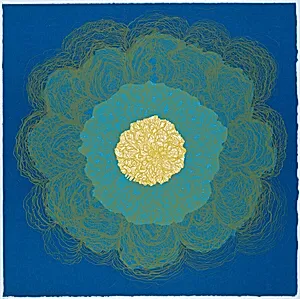
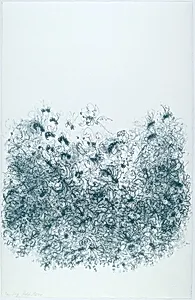
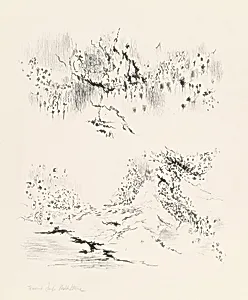
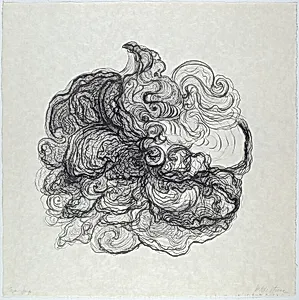
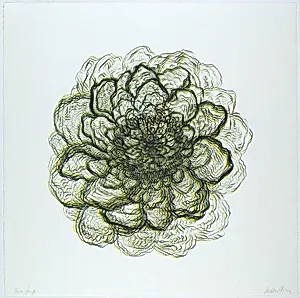
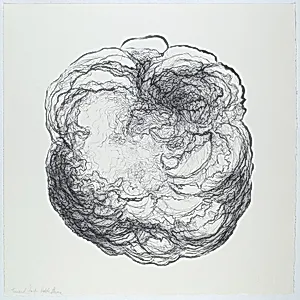
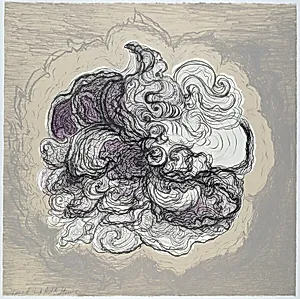
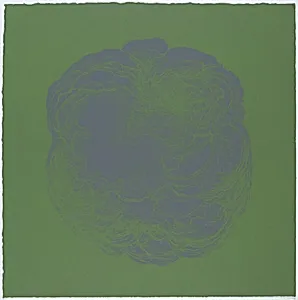
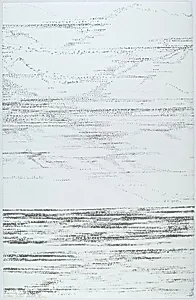
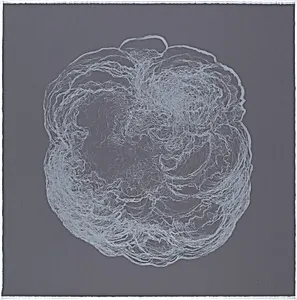
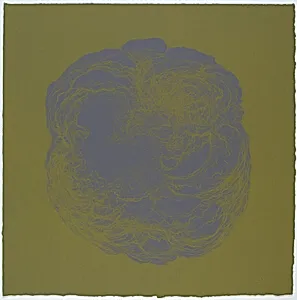
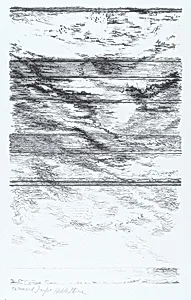
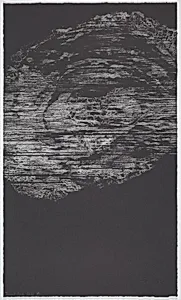
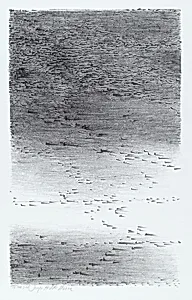
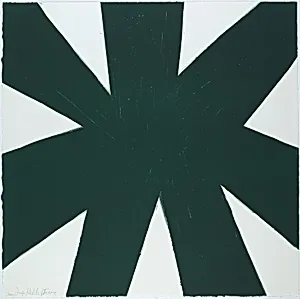
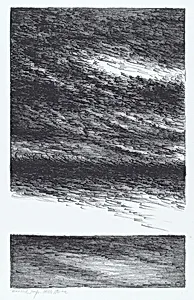
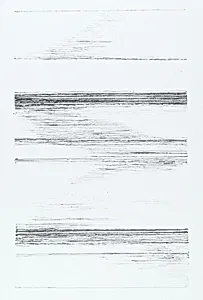
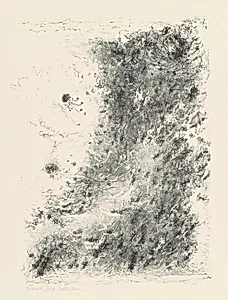
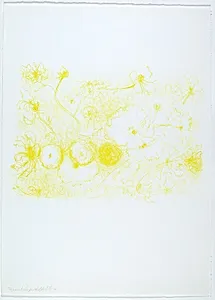
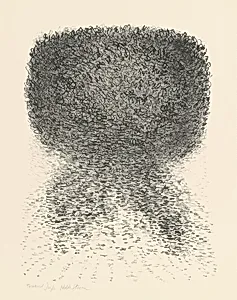
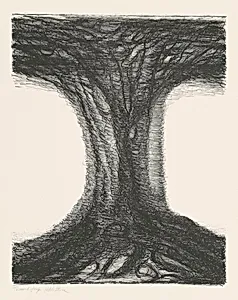
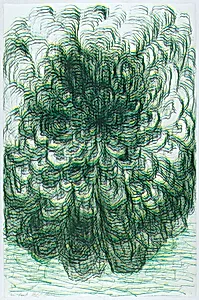
Sterne's own art defies categorization: she moved fluidly from dense urban abstractions and machine-inspired compositions to lyrical automatist works, figurative studies, and late-career meditations on nature and perception that suggest affinity with Eastern philosophy. Her refusal to settle into a recognizable signature style, which she saw as an artistic virtue, made her difficult to market and critically situate, contributing to a long period of relative neglect despite consistent exhibition throughout her career.
In recent decades, Sterne has received significant critical reassessment, with major exhibitions and catalogue essays illuminating the depth and range of her achievement. She is now understood as an artist of genuine importance — an independent mind who pursued her own vision across a century of art history with remarkable tenacity and curiosity.