Ctrl K
1816–1851
Henry Kellam Hancock (1788–1854) was a prominent American cabinetmaker based in Boston, Massachusetts, where he contributed significantly to the city's early nineteenth-century furniture trade. Son of Captain Belcher Hancock and Ann "Nancy" Susan Ackers, he entered the profession as a chairmaker around 1816 and transitioned to cabinetmaking by 1826, maintaining workshops on Orange Street from about 1819 to 1825 and later addresses listed in Boston directories until 1851. His younger brother, William Hancock (1794–1861), operated nearby as a furniture retailer and upholsterer, often at 39 and 41 Market Street, reflecting the familial networks that sustained Boston's vibrant decorative arts community. Hancock's early life remains sparsely documented, with no records of formal training or mentors identified in surviving sources.
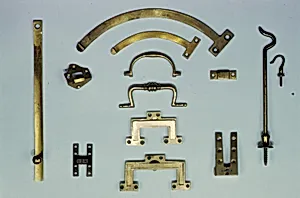
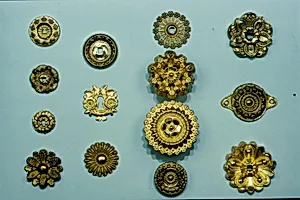
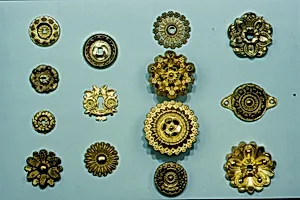
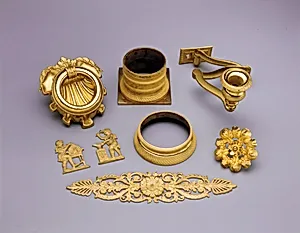
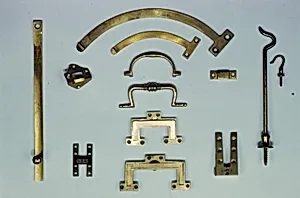
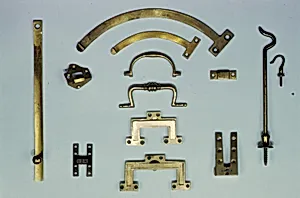
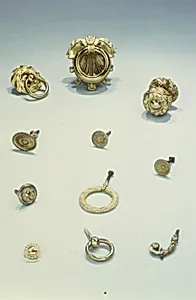
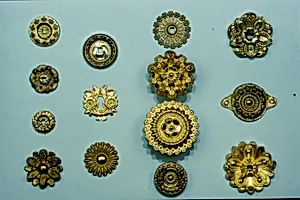
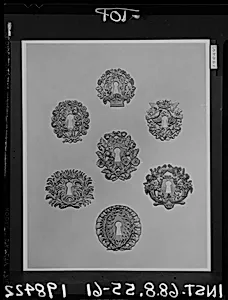
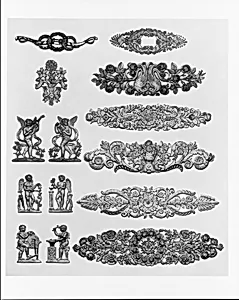
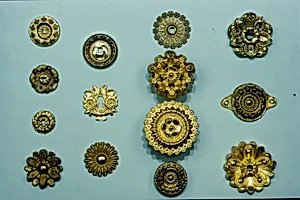
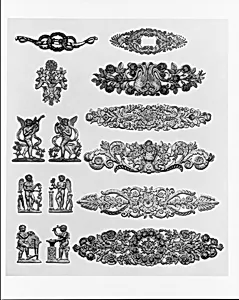
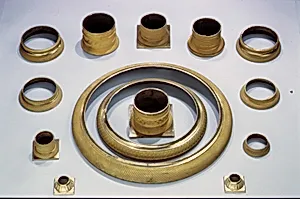
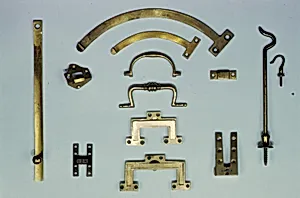
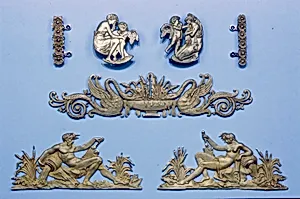
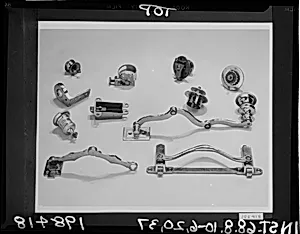
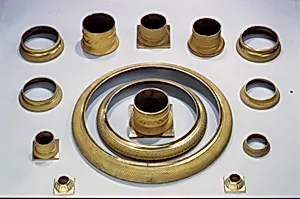
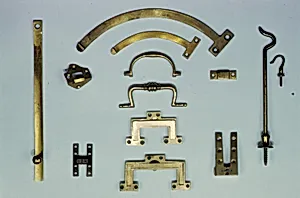
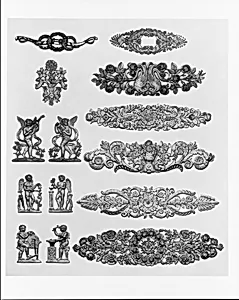
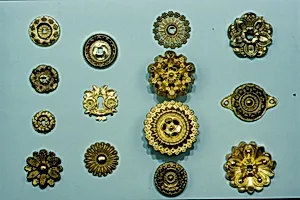
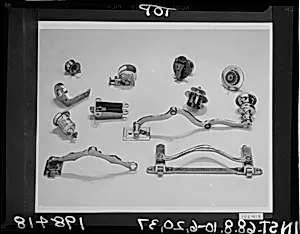
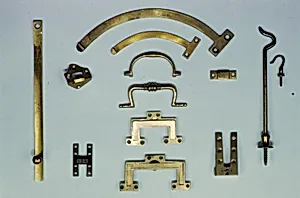
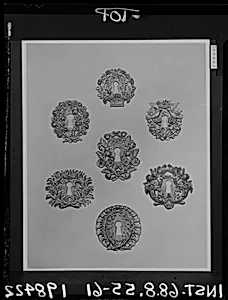
Hancock worked in the robust Boston cabinetmaking tradition, producing finely carved and inventive pieces influenced by English Regency and Empire styles, drawing from pattern books like those of Thomas Sheraton. His workshop specialized in high-quality furniture hardware—gilt-brass elements evoking neoclassical motifs such as column capitals, laurel wreaths, river gods, cupids, and Venus appliqués—blending imported European techniques with local craftsmanship. These components, dated circa 1810–1830, adorned sideboards, sofas, and chairs in the Greek Revival aesthetic popular among Boston's elite.
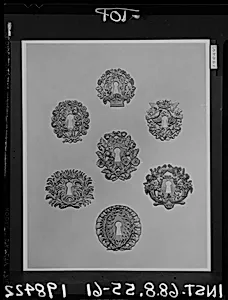
Over 80 examples of Hancock's hardware survive in the Metropolitan Museum of Art's collection, underscoring his output's scale and preservation. Notable pieces include drawer pulls, escutcheons, curtain tie-backs, and elaborate appliqués like Cupid and Venus, many possibly sourced from France or England but finished or retailed through his Boston enterprise.
Hancock's legacy endures through scholarly recognition, notably Jillian Ehninger's 1995 *Antiques* article detailing his workshop's innovations, which bridged transatlantic design trends and elevated Boston's furniture hardware to artistic prominence. As a trustee of the Massachusetts Charitable Mechanic Association, he also supported the trade's institutional growth, cementing his role in America's formative decorative arts era.