Ctrl K
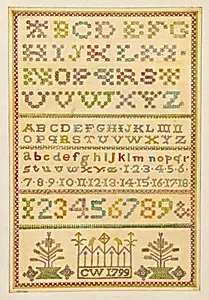
1855
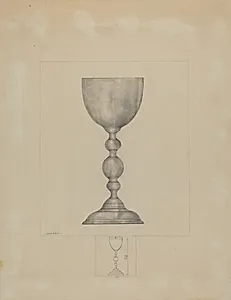
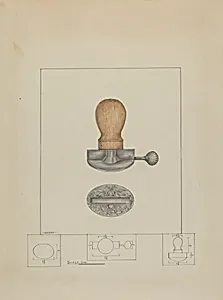
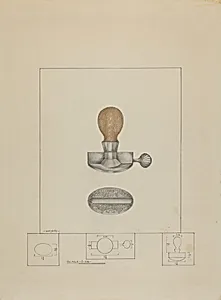
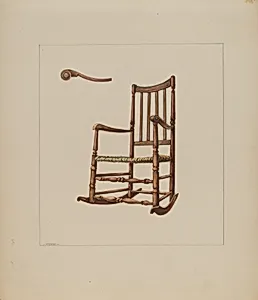
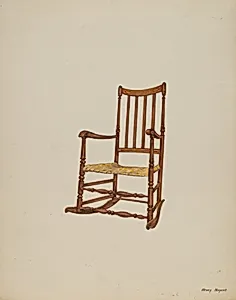
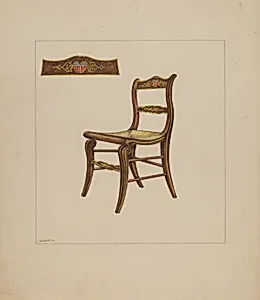
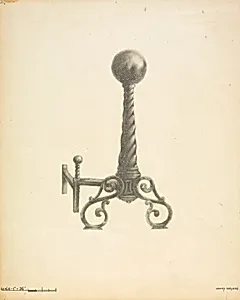
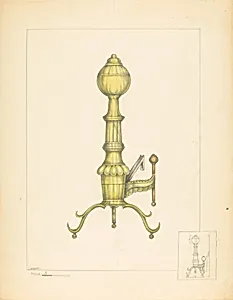
Henry Meyers was an American artist active during the 1930s and early 1940s, best known for his contributions to the Index of American Design, a monumental Works Progress Administration (WPA) project that sought to document the nation's rich heritage of folk art, crafts, and decorative objects. Operating under the Federal Art Project, Meyers produced precise, watercolor and graphite renderings of everyday items, capturing their historical and aesthetic significance before many originals were lost to time or decay. His early life and training remain not well documented, but his output aligns with the era's emphasis on celebrating American ingenuity amid the Great Depression.
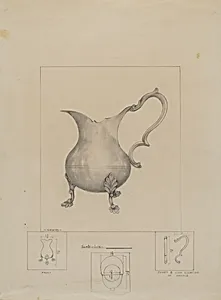
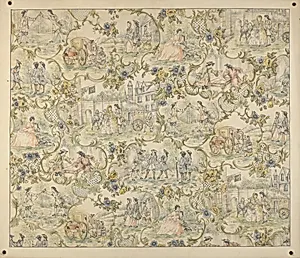
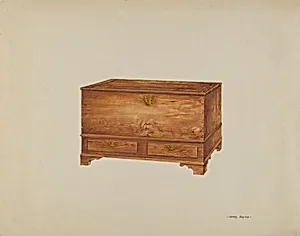
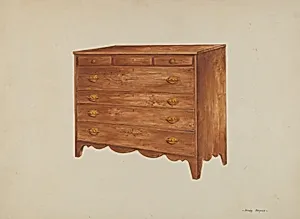
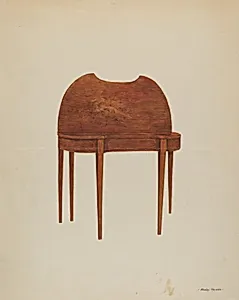
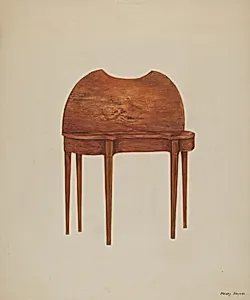
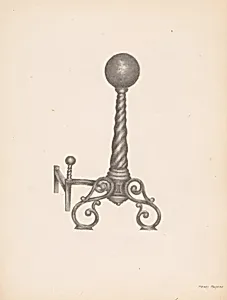
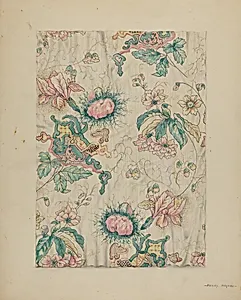
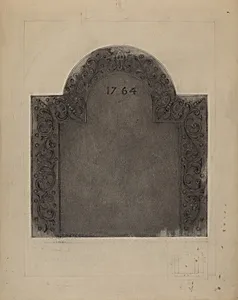
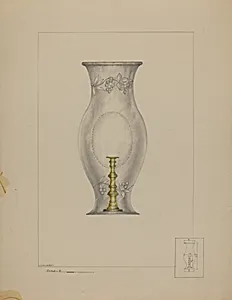
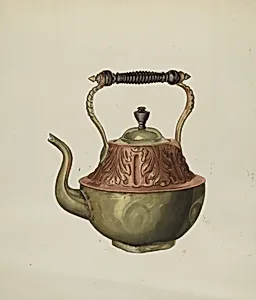
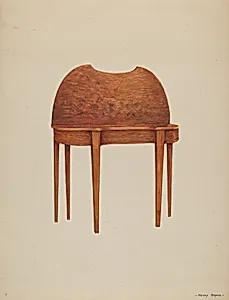
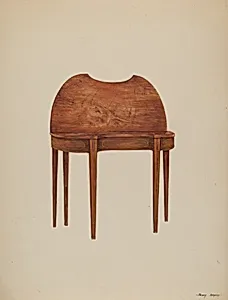
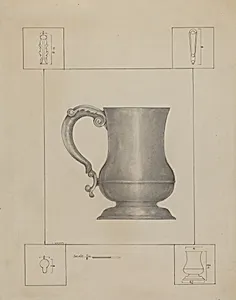
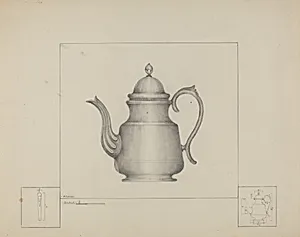
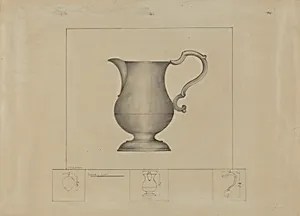
Meyers specialized in detailed depictions of household furnishings and utilitarian arts, working primarily in graphite, watercolor, colored pencil, and pen and ink on paper or paperboard. His subjects ranged from colonial-era pewterware and wrought-iron andirons to Federal-style furniture and textiles, rendered with meticulous attention to texture, form, and ornamentation. Notable examples include *Pewter Pitcher* (c. 1942), *Chest* (c. 1938), *Card Table* (c. 1938), *Chintz* (c. 1938), *Hurricane Shade and Candlestick* (c. 1937), and *Wall Paper Design* (c. 1939), among the 106 works preserved in the National Gallery of Art's collection. These pieces evoke the craftsmanship of early American makers, blending functionality with subtle elegance, such as the gleaming curves of a pewter creamer or the intricate tracery of a brass andiron.
Though Meyers' career appears centered on this WPA endeavor, his renderings endure as vital records of America's material culture, bridging art history with everyday life. Housed at the National Gallery of Art, they continue to educate on the evolution of design traditions, from Shaker simplicity to Victorian exuberance, underscoring the project's lasting impact on preserving cultural patrimony. In an age of economic hardship, Meyers helped affirm the artistic value in the commonplace, leaving a legacy that invites modern viewers to appreciate the artistry hidden in historical hearths and tabletops.