Ctrl K
1891–1964
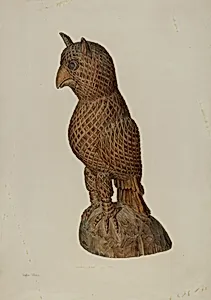
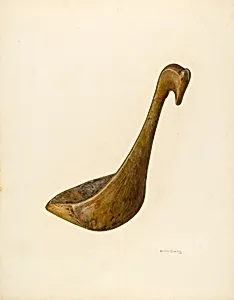
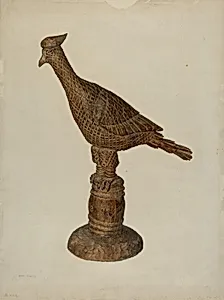
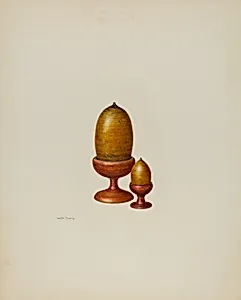
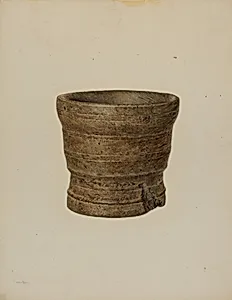
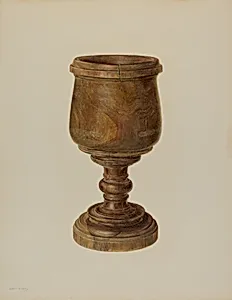
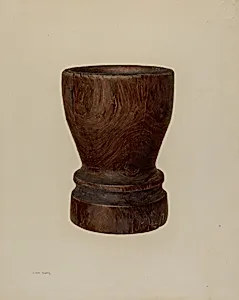
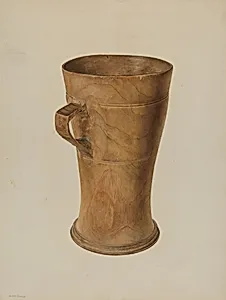
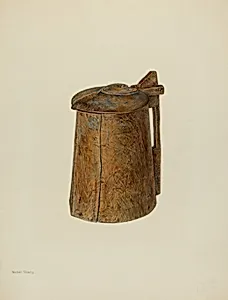
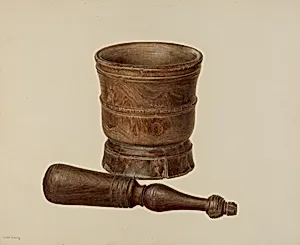
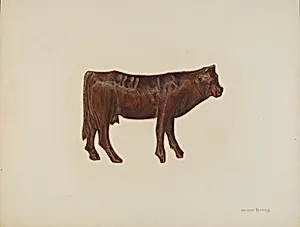
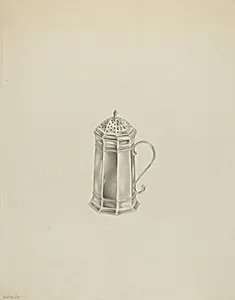
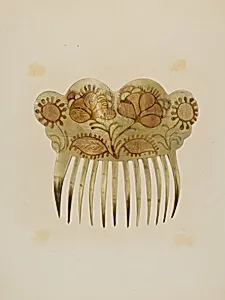
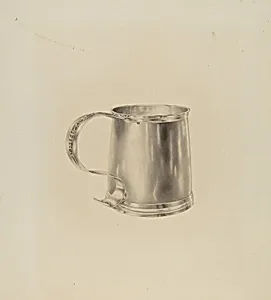
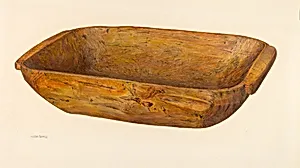
Hester Duany (1891–1964) was an American artist best known for her meticulous renderings of traditional American folk art objects as part of the Index of American Design, a Federal Art Project under the Works Progress Administration (WPA) from 1935 to 1942. Working out of the New York City Project, Duany contributed dozens of watercolor and graphite drawings on paperboard that captured the intricate details of crafts ranging from colonial silverware to carved wooden toys, preserving a visual record of America's material culture for future generations. Her early life and artistic training remain not well documented, with no records of specific teachers, art schools, or prior movements identified in available sources.
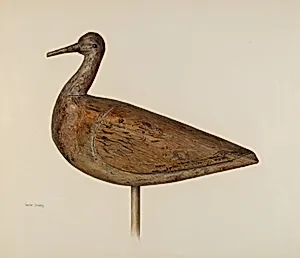
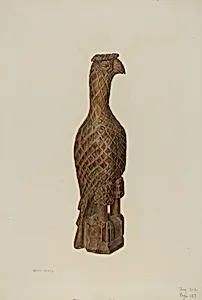
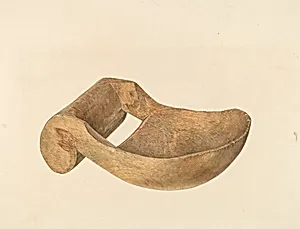
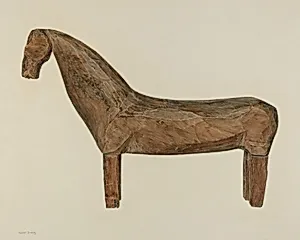
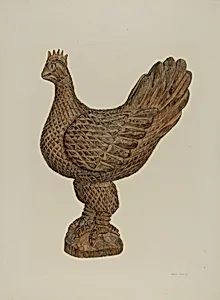
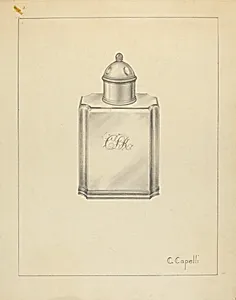
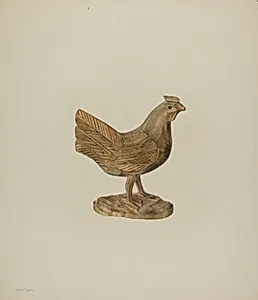
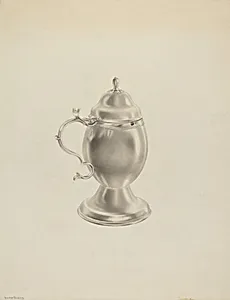
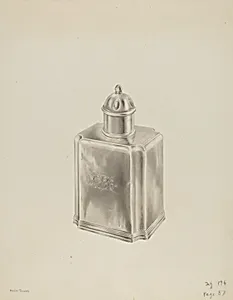
Duany's style was characterized by precise, realistic illustration that emphasized texture, form, and historical authenticity, often highlighting Pennsylvania German folk traditions and everyday utilitarian objects. She rendered items like silver porringers, tankards, sugar bowls, and tea caddies from the 18th and 19th centuries, as well as whimsical carved toys such as a toy horse (1935/1942) and a wooden hen (c. 1939). Other notable works include *Decoy* (c. 1942), depicting a greater yellowlegs bird carving; *Pa. German Eaglet* (c. 1941); *Silver Cup* (c. 1936); *Butter Worker*; and *Chopping Bowl*, all executed with fine graphite lines enhanced by watercolor and white heightening to evoke the originals' tactile qualities.
The National Gallery of Art in Washington, D.C., holds the largest collection of Duany's output, with 86 works acquired from the Index project, making her contributions accessible for study and display. Her drawings featured in the 2002 exhibition *Drawing on America's Past: Folk Art, Modernism, and the Index of American Design*, underscoring their role in bridging folk traditions with modernist documentation efforts. Though lesser-known today, Duany's legacy endures in the preservation of overlooked American crafts, offering invaluable insights into the nation's decorative arts heritage during a pivotal era of cultural rediscovery.