Ctrl K
1855
Jack Staloff was an American artist and designer active during the 1930s and 1940s, best known for his contributions to the Index of American Design, a New Deal-era Federal Art Project under the Works Progress Administration (WPA). This ambitious initiative commissioned artists across the United States to create precise watercolor and graphite renderings of everyday American crafts, tools, and decorative objects, preserving a visual record of the nation's vernacular design heritage before many originals were lost to time or wear. Staloff, based in New York City, produced dozens of these meticulous studies, capturing the functional beauty of household items from colonial hearths to early industrial hardware.
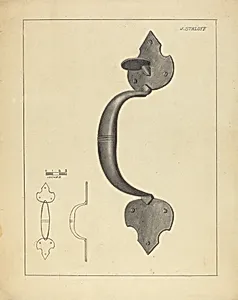
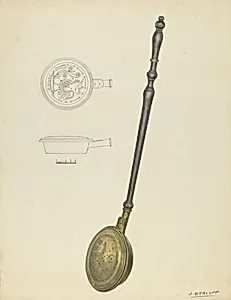
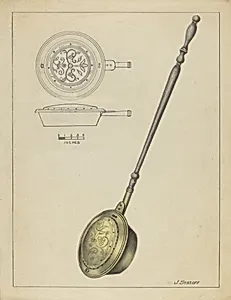
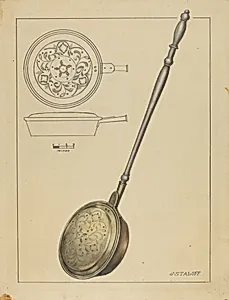
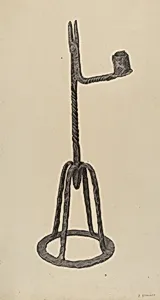
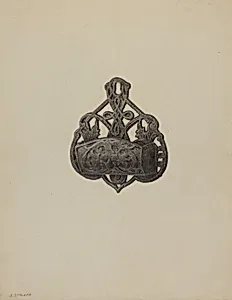
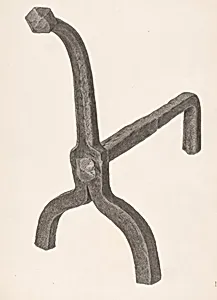
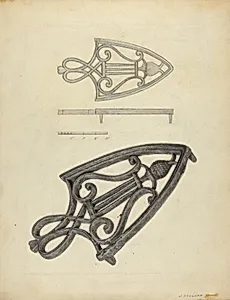
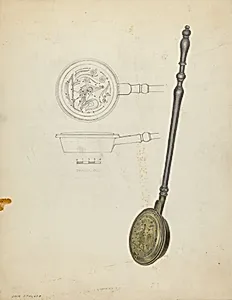
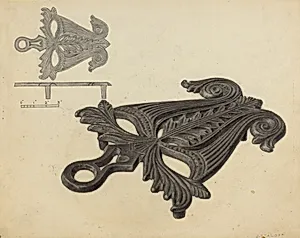
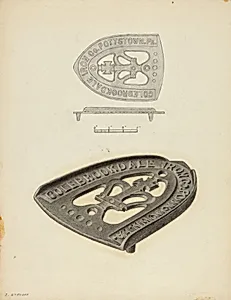
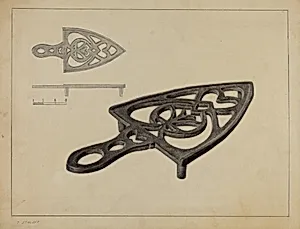
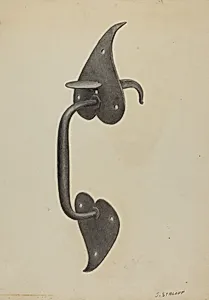
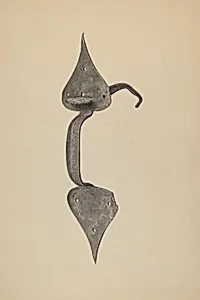
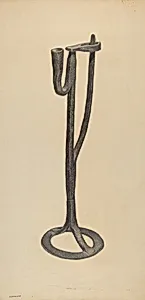
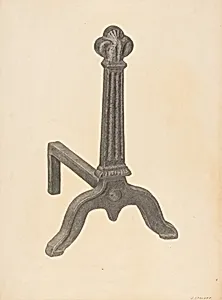
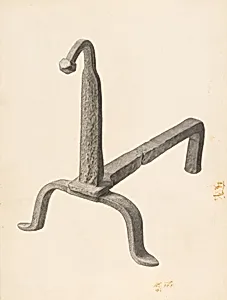
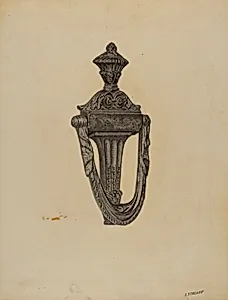
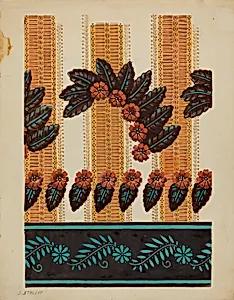
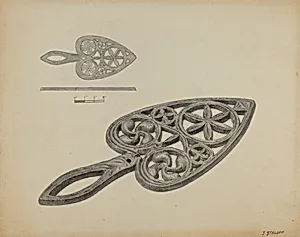
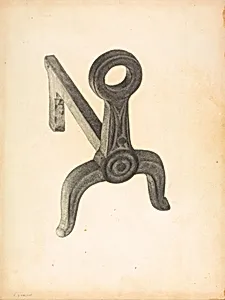
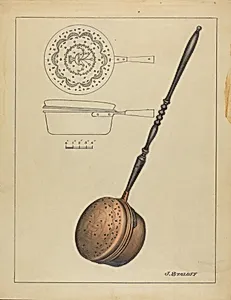
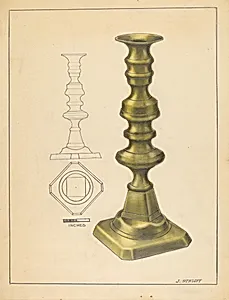
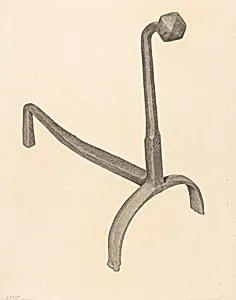
Little is known about Staloff's early life or formal training, as biographical details remain sparsely documented. His works from this period reveal a draftsman's precision, employing graphite on paperboard—often heightened with watercolor and gouache—to depict objects like andirons (c. 1938–1939), warming pans (c. 1939), match safes (c. 1939–1940), door handles with thumb presses (c. 1938–1939), chandeliers (c. 1940, in collaboration with Jacob Lipkin), trivets (c. 1938), and rushlight holders (c. 1939). These renderings highlight the interplay of form and utility in American folk art, from Pennsylvania German flat-iron holders to cast-metal fireplace tools, blending ornamental motifs with practical engineering. The National Gallery of Art holds 54 such pieces, forming a core part of its Index of American Design collection.
Staloff's career extended beyond the WPA, as he later emerged as one of New York's elite hand engravers in the mid-20th century, specializing in heraldic work. He collaborated with craftsmen like Peter Ciavarella, Frank Bleumlein, and Norman DiSalvo on intricate metal engravings, including Judeo-Christian motifs on heirloom rings and silver pieces. Though his personal story eludes full illumination, Staloff's legacy endures through his role in safeguarding America's material culture. His drawings not only document forgotten artifacts but also celebrate the artistry of anonymous makers, influencing modern design history and graphic reproduction in museums and archives today.