Ctrl K
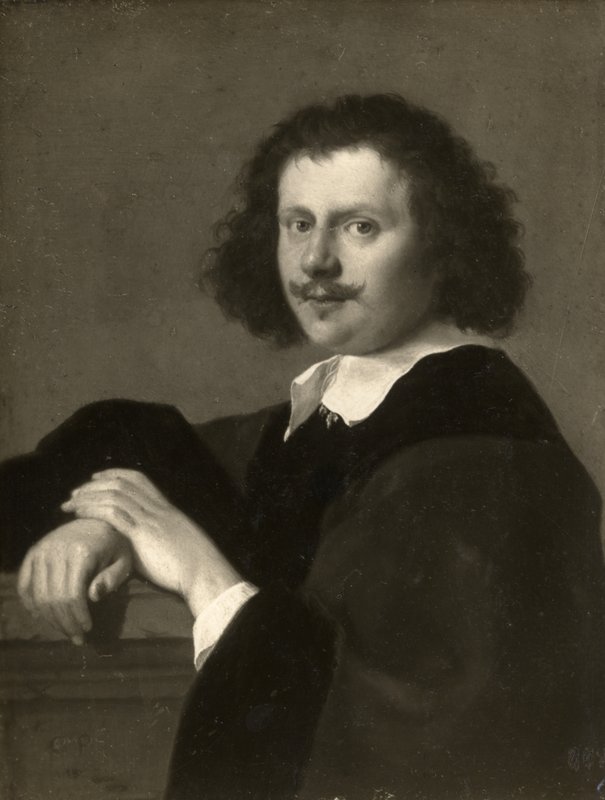
1618–1652
Jan Both was born in Utrecht around 1618 into an artistically rich environment: his father was a glass painter, and his brother Andries was also a painter with whom he would collaborate during their formative years in Italy. Jan trained under Abraham Bloemaert, one of the most versatile and influential artists working in Utrecht, before traveling to Rome — a journey that would prove decisive for his art and for the history of Dutch landscape painting.
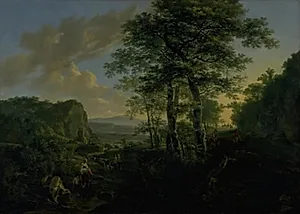
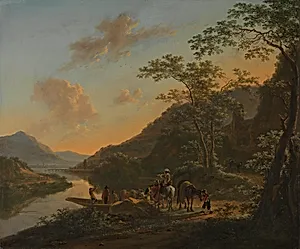
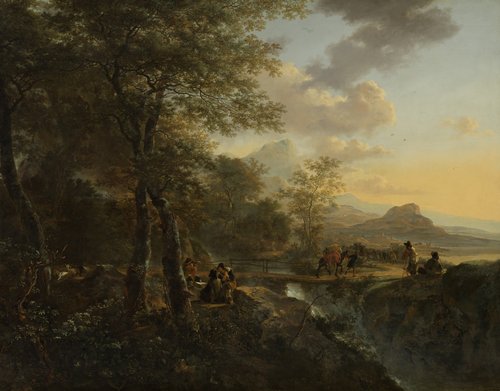
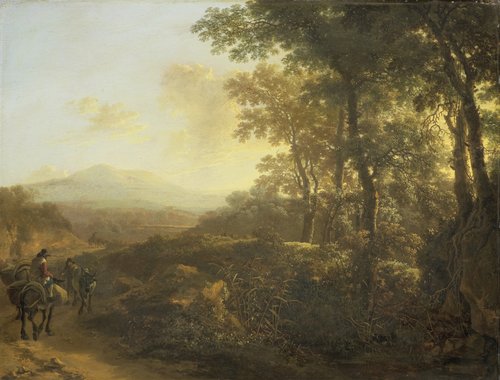
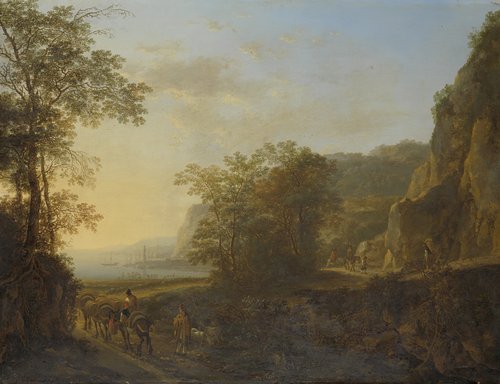
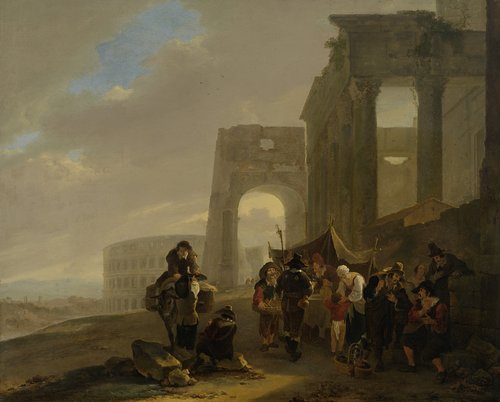
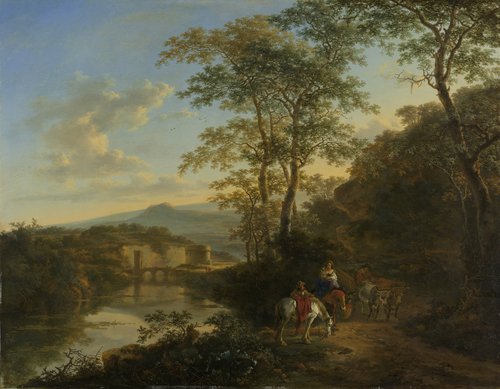
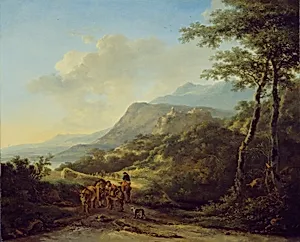
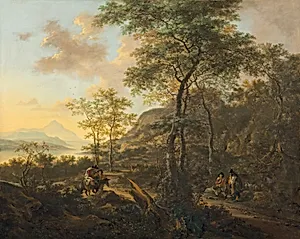
In Rome, Both fell under the spell of the golden light that Claude Lorrain was then capturing in his landscapes of the Roman campagna, and he absorbed Claude's vision of Italy as a paradise bathed in warm, amber afternoon glow. Returning to Utrecht around 1641 or 1642, Both translated this Italianate aesthetic into a body of work that became enormously influential among his Dutch contemporaries and collectors. His paintings — typically depicting hilly Mediterranean landscapes with travelers, muleteers, and shepherds moving through glowing evening light — introduced a new warmth of tone and breadth of atmosphere into Dutch landscape painting.
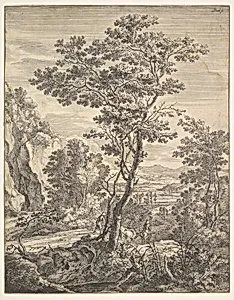
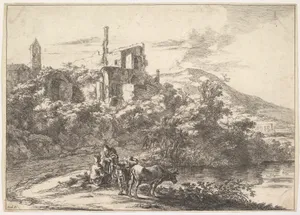
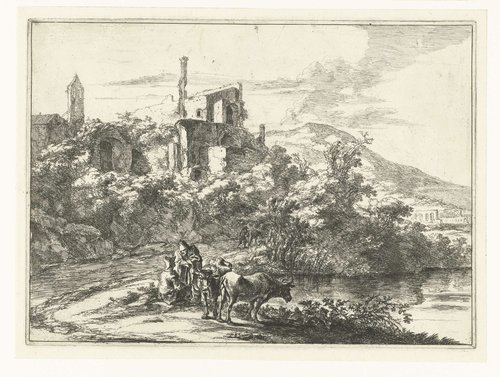
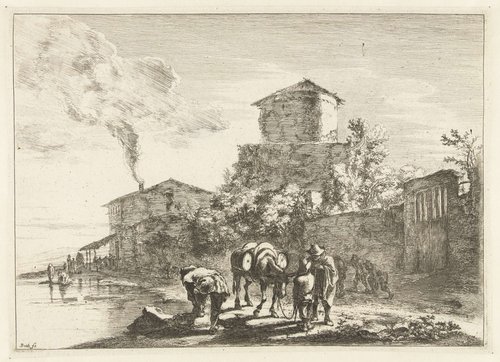
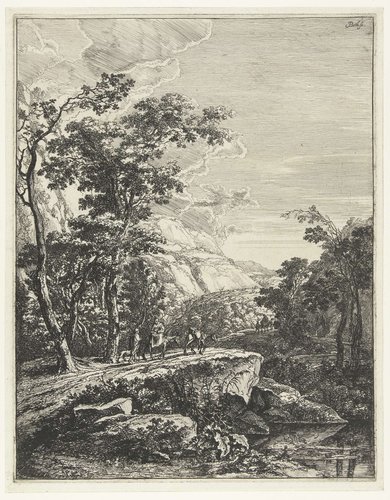
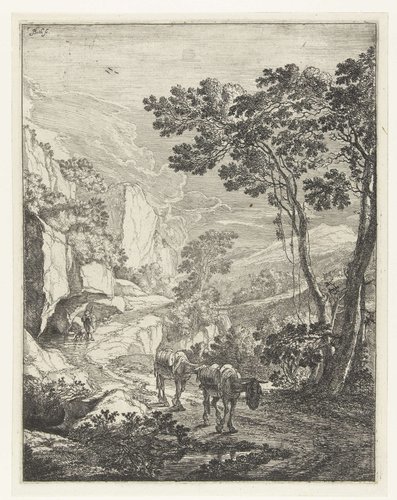
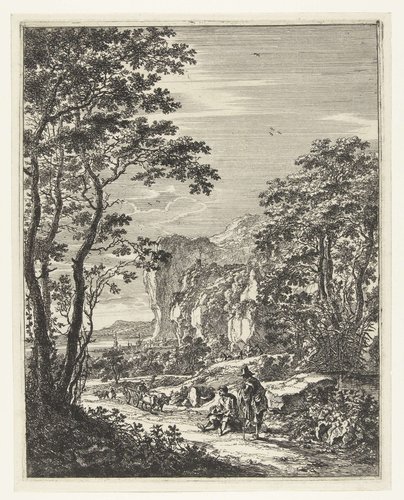
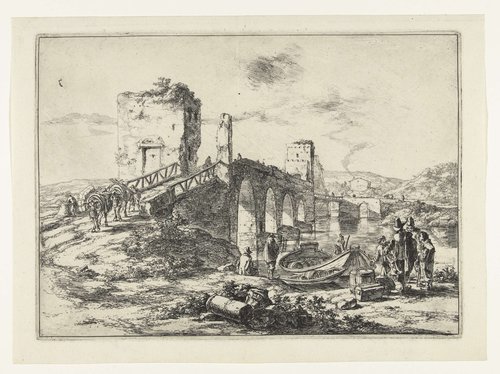
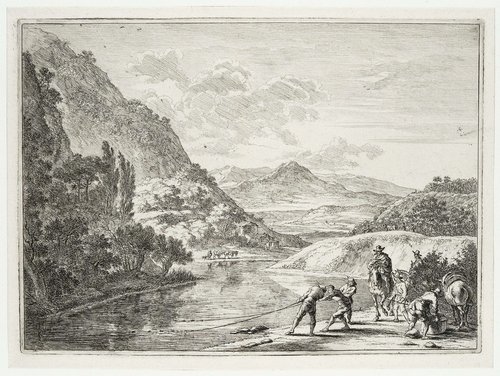
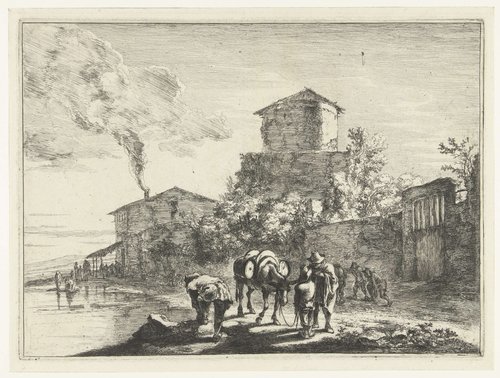
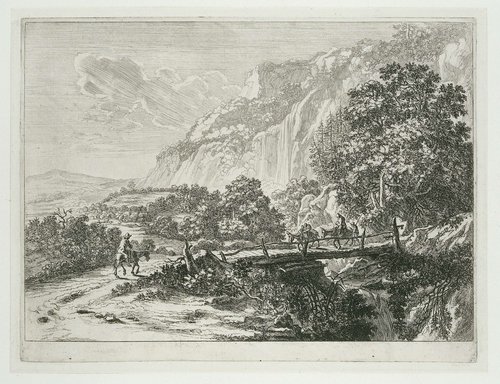
Both's compositions are distinguished by their luminous skies, carefully observed trees, and the silvery-golden tonality that became his hallmark. He worked in both paintings and etchings, and his prints helped disseminate the Italianate landscape mode throughout the Dutch art market. Collectors responded enthusiastically, and his work commanded high prices during his lifetime and long after.
Both died in Utrecht in 1652 at a relatively young age, but his influence proved lasting. He is credited as one of the founding figures of the Italianate Dutch landscape tradition, paving the way for artists such as Nicolaes Berchem and Adam Pijnacker. His paintings are held in major collections worldwide and remain prized examples of the seventeenth-century Dutch engagement with the classical landscape ideal.