Ctrl K
1855
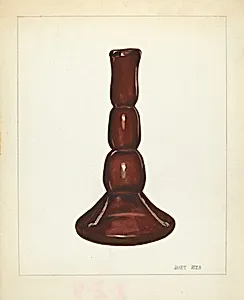
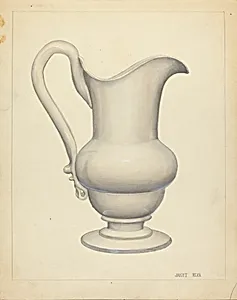
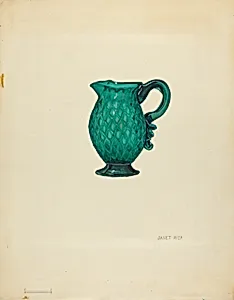
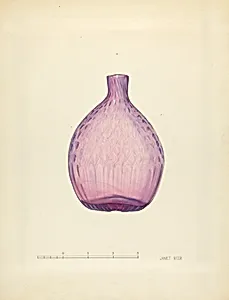
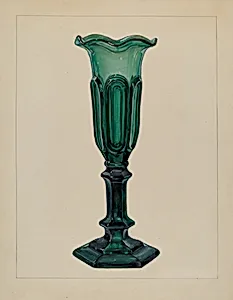
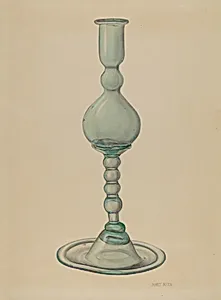
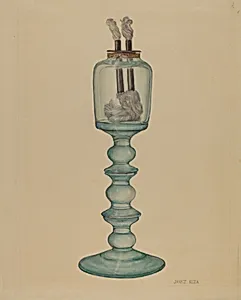
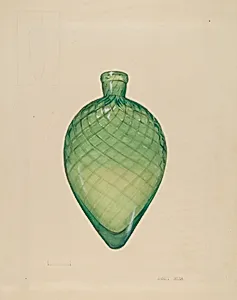
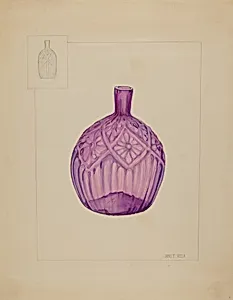
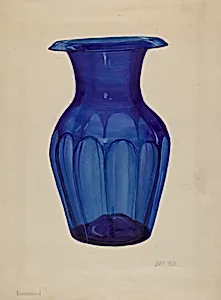
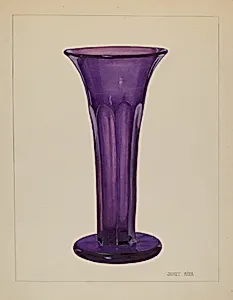
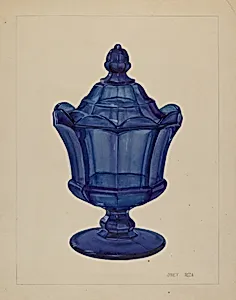
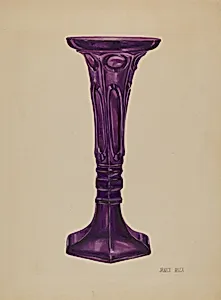
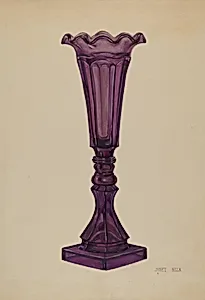
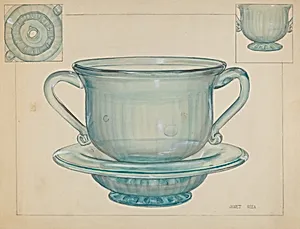
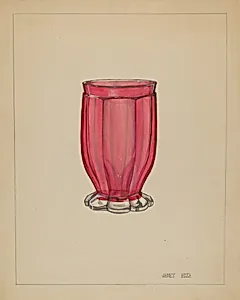
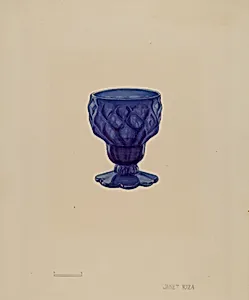
Janet Riza was an American artist active during the 1930s and early 1940s, renowned for her meticulous contributions to the Index of American Design, a Works Progress Administration (WPA) Federal Art Project initiative launched amid the Great Depression to document America's rich heritage of decorative arts and crafts. Little is known about her early life or formal training, which remains sparsely documented in available records. What endures is her extraordinary skill in capturing the essence of everyday American objects through watercolor, graphite, and gouache on paperboard, transforming humble items into studies of light, texture, and form.
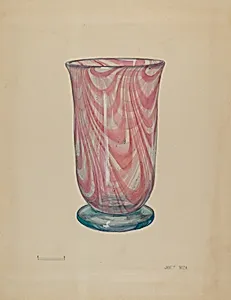
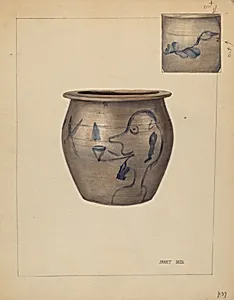
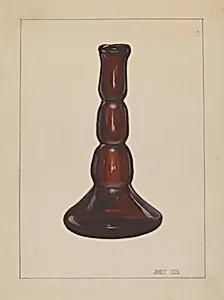
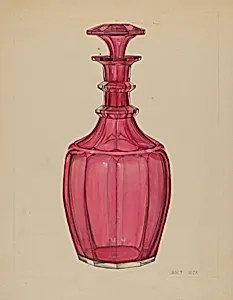
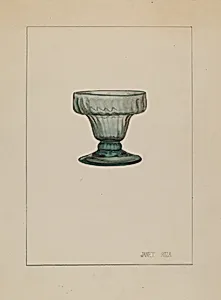
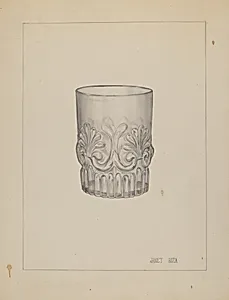
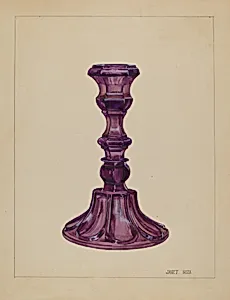
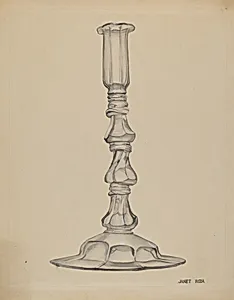
Riza's artistic style exemplifies the precision and realism prized by the Index project, emphasizing intricate surface patterns, reflective highlights, shadows, and subtle material qualities that celebrated regional craftsmanship. She rendered an impressive array of household wares, including the *Chocolate Pot* (c. 1936), a delicate ceramic vessel showcasing Art Deco influences; the *Sugar Bowl* (c. 1937); *Butter Dish*; *Vase* (c. 1936); *Andiron* (1935–1942); and *Flower Pot and Base* (c. 1937), among dozens preserved in the National Gallery of Art's collection. These works, numbering nearly 100 in public domain archives, highlight her focus on pottery, glassware, pewter, and toleware, evoking the tactile beauty of pre-industrial American design.
Though Riza's personal legacy fades into obscurity without records of broader exhibitions or later career, her output endures as a vital cultural archive. By visually cataloging folk art traditions—from sperm oil lamps to drawer pulls—she helped safeguard a vanishing aesthetic against modernity's tide, offering modern viewers a window into the ingenuity of American makers. Today, her illustrations inspire appreciation for the WPA's democratic impulse to elevate the vernacular, reminding us how art can preserve the poetry of the prosaic.