Ctrl K
Jian Guzhai — meaning roughly "Studio for Appreciating the Antique" — was a renowned ink-tablet workshop operated by the Wang Jinsheng family in the Huizhou region of Anhui Province, China, one of the historic centers of fine inkstick production. Active during the late Qing dynasty (1644–1911) and possibly into the early Republic period (1912–49), the workshop was celebrated for producing ink tablets of exceptional quality, combining masterful craft in pigment preparation with refined pictorial and calligraphic ornamentation.
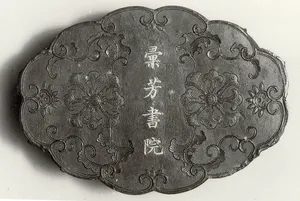
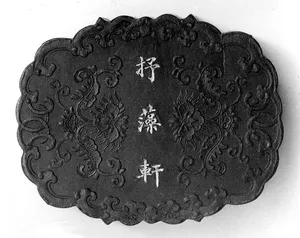
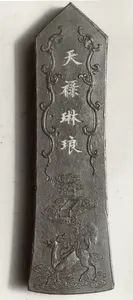
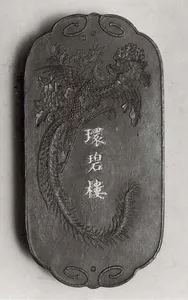
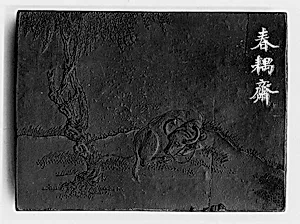
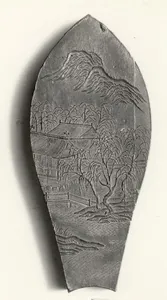
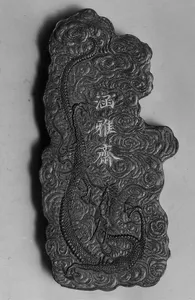
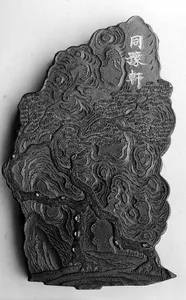
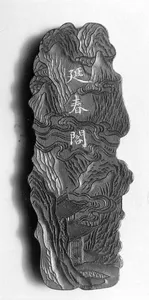
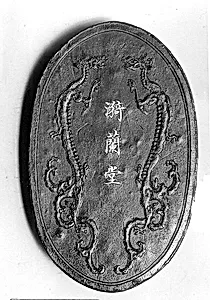
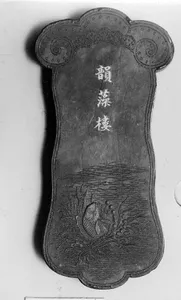
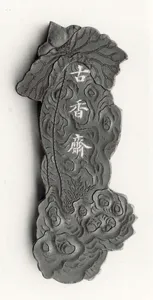
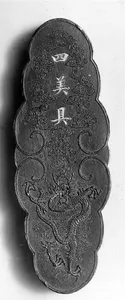
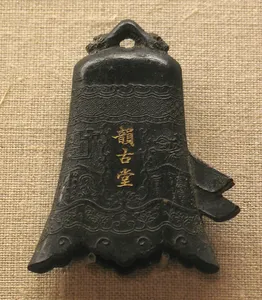
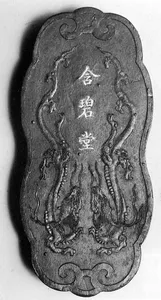
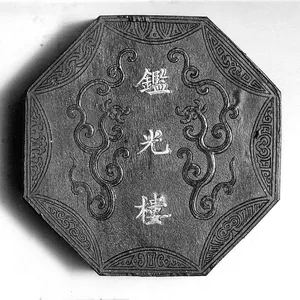
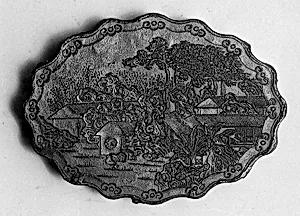
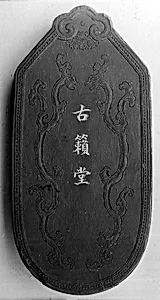
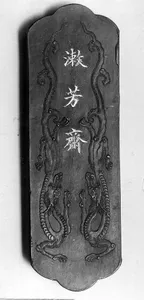
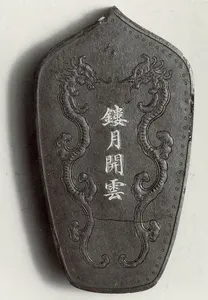
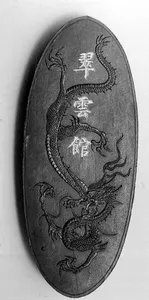
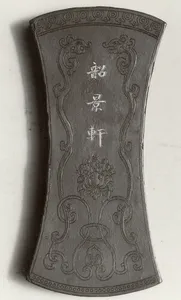
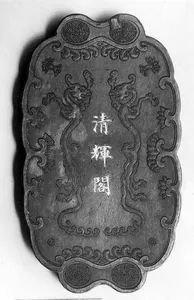
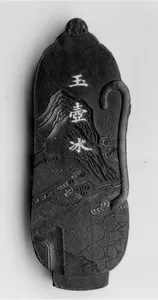
The workshop's most distinguished surviving body of work is a set of ink tablets commemorating the halls and pavilions of the imperial gardens, with each tablet presenting the name of a garden structure inscribed in gilt characters on one face and a detailed pictorial view of that site on the other. The tablets in this series are made from pine soot and binding medium — the classic materials of Chinese ink production — and their subjects include such evocatively named spaces as "Ink Pond Clouds," "Clear Brilliance Terrace," "Natural Picture," "Viewing Antiquities Hall," "Beautiful Scene Pavilion," "Ancient Fragrance Hall," and "Pavilion for Prolonging Spring." Each piece thus functions simultaneously as a practical writing instrument and as a miniature work of pictorial and literary art connecting the user to the imperial garden landscape.
The Metropolitan Museum of Art holds multiple examples of Jian Guzhai's ink tablets in its permanent collection, where they are catalogued as products of the workshop active in the late Qing or early Republic period. These objects reflect the broader Qing court culture of connoisseurship, in which refined stationery items — ink, brushes, paper, and inkstones — carried deep aesthetic and symbolic value. The Jian Guzhai workshop stands as a testament to the sophisticated craft traditions of Huizhou, a region whose artisans supplied scholars and emperors alike with some of the finest writing materials in Chinese history.