Ctrl K
1837–1921
John Thomson (1837–1921), a pioneering Scottish photographer, was born on 14 June 1837 in Edinburgh as the eighth of nine children to William Thomson, a tobacco spinner and trader, and Isabella Newlands.) After schooling in the early 1850s, he apprenticed with a local optical and scientific instrument manufacturer, where he mastered the principles of photography, completing his training around 1858. He attended evening classes at the Watt Institution and School of Arts, gaining proficiency in natural philosophy, mathematics, and chemistry, and became a member of the Royal Scottish Society of Arts in 1861.) In 1862, Thomson sailed to Singapore to join his older brother William, a watchmaker and photographer, establishing the Thomson Brothers studio before launching his independent career. There, using the cumbersome wet-collodion process with portable darkrooms, he honed a photo-journalistic style blending landscapes, portraits, architecture, and candid street scenes to document distant cultures with sensitivity and immediacy.
Thomson's decade-long travels (1862–1872) across Southeast Asia and China produced groundbreaking work. In Siam (1865–66), he photographed King Mongkut and the royal court; in Cambodia (1866), he captured Angkor Wat's ruins in *The Antiquities of Cambodia* (1867). Settling in Hong Kong in 1868, he documented China extensively, from Guangzhou and Beijing to Taiwan and the Yangtze River, culminating in albums like *Foochow and the River Min* (1873) and the four-volume *Illustrations of China and Its People* (1873–74), which earned Queen Victoria's gold medal. Iconic images include *A Cantonese Boat Girl* (1869), *Prince Kung* (1872), and *A Baksa Woman and Child, Formosa* (1871).) In 1869, he married Isabel Petrie, with whom he had six children.
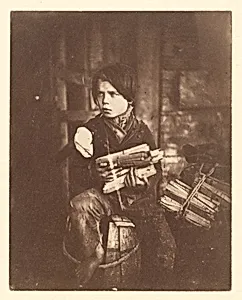
Returning to London in 1872, Thomson shifted to social documentary with *Street Life in London* (1877, with Adolphe Smith), exposing poverty through vivid portraits like *"Hookey Alf" of Whitechapel* and *The Crawlers*. Later publications included *Through Cyprus with a Camera* (1879) and *Through China with a Camera* (1898). Appointed photographer to Queen Victoria (1881) and King George V (1910), he lectured at the Royal Geographical Society and ran a portrait studio until retirement. Thomson's legacy endures as a founder of photojournalism, with over 600 glass negatives preserved in the Wellcome Collection and works in institutions like the Getty, MoMA, and National Galleries of Scotland. His empathetic depictions illuminated Victorian audiences to global realities, influencing generations of documentary photographers.)
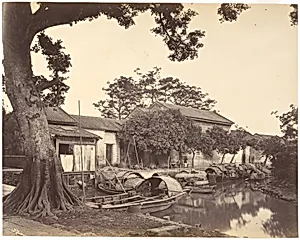
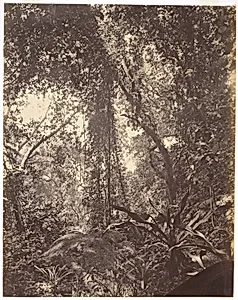
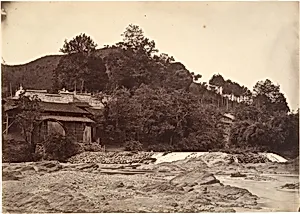
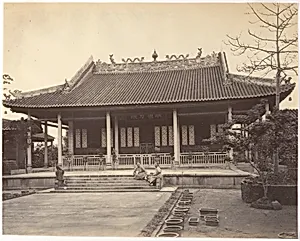
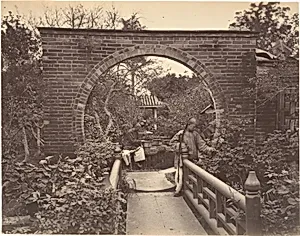
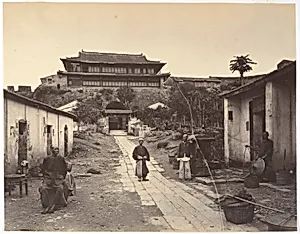
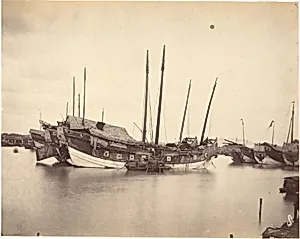
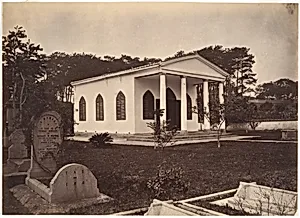
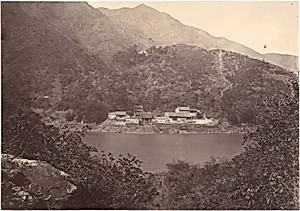
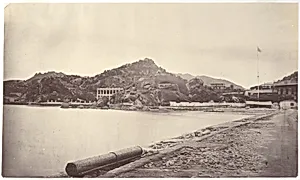
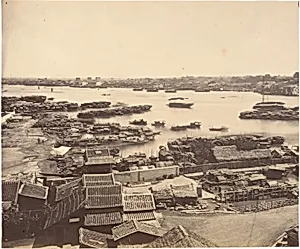
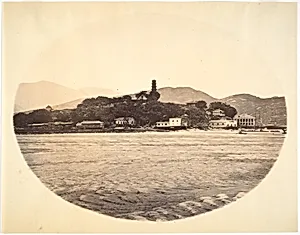
![[Rapid, Yen-Ping]](https://images.artheonmuseum.org/met/ph/thumb/rapid-yen-ping-289327.webp)
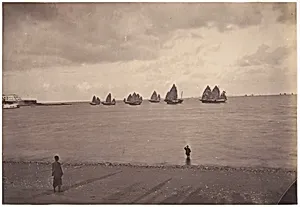
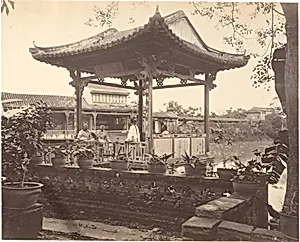
![[Untitled]](https://images.artheonmuseum.org/met/ph/thumb/untitled-289308.webp)