Ctrl K
1700–1800
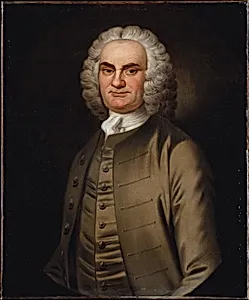
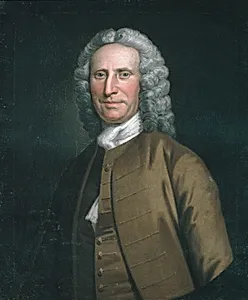
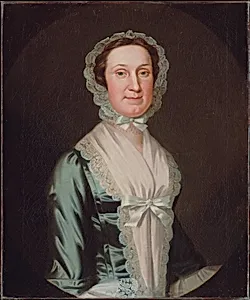
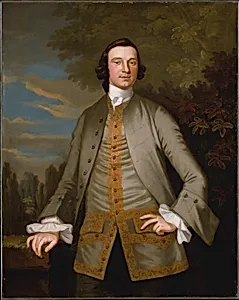
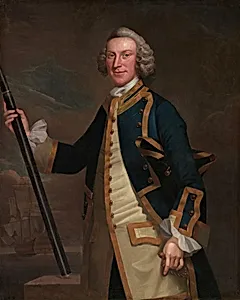
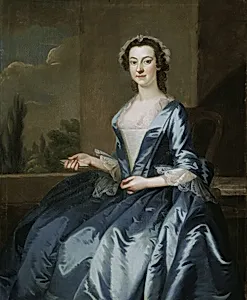
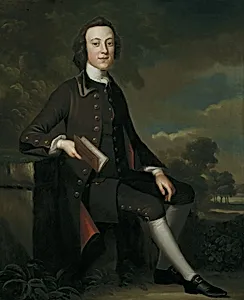
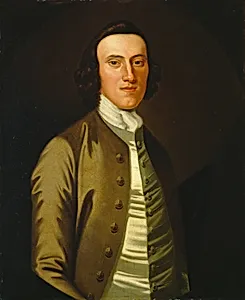
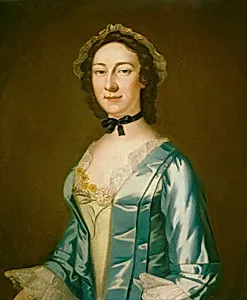
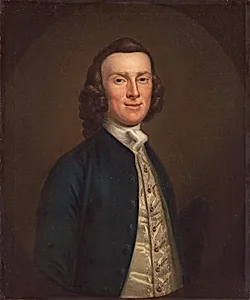
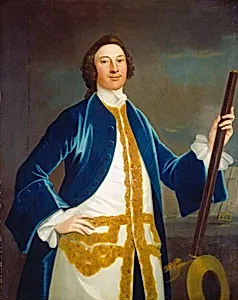
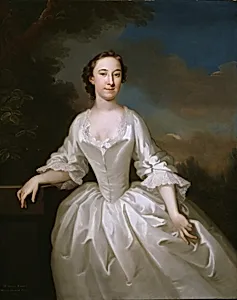
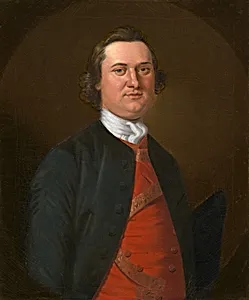
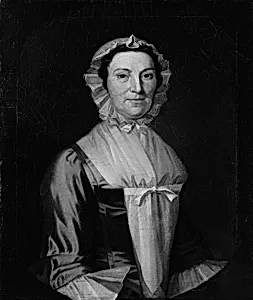
John Wollaston (active c. 1710–1775) was an English portrait painter who brought sophisticated Rococo styles from London to the British North American colonies, becoming one of the most prolific artists in the region during the mid-18th century. Little is known of his early life beyond his likely birth in London as the son of a painter—possibly named John Wollaston or John Woolston, according to Horace Walpole's *Anecdotes of Painting in England*. His training remains sparsely documented, though Charles Willson Peale recounted in an 1812 letter to his son that Wollaston studied under a drapery painter in London. His mature style echoed that of Thomas Hudson, featuring elegant poses, rich costumes, and a fluid Rococo elegance that contrasted with the more rigid colonial portraiture of the era.
Wollaston arrived in New York around 1749, embarking on an itinerant career that took him through major colonial centers. He painted in New York, Philadelphia, Maryland, Virginia, and Charleston, capturing the elite of colonial society in over 200 known portraits. In Virginia from about 1755 to 1757, his first signed works included family portraits for William Randolph III at Wilton Plantation in 1755. A 1757 receipt from Martha Dandridge Custis—later Martha Washington—confirms his presence there, and her portrait exemplifies his signature blend of English refinement with American subjects. Returning to the South, he worked in Charleston from 1765 to 1767 before departing for St. Kitts in the Caribbean and eventually England.
Wollaston's legacy endures as a pivotal figure in early American art, introducing Rococo portraiture to a nascent market and influencing successors like Robert Feke and John Smibert's followers. His works, held in institutions such as the Smithsonian American Art Museum, the National Gallery of Art, and the Art Institute of Chicago, preserve vivid glimpses of colonial prosperity. Though his personal life fades into obscurity, Wollaston's technical prowess and transatlantic mobility elevated portraiture in the colonies, bridging European grandeur with New World identity. (312 words)