Ctrl K
1907–1995
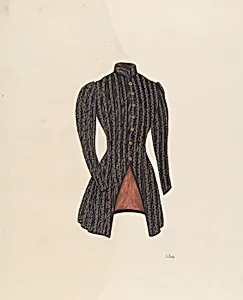
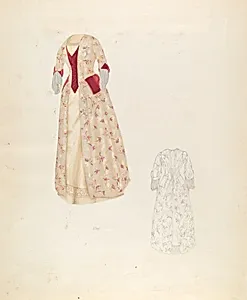
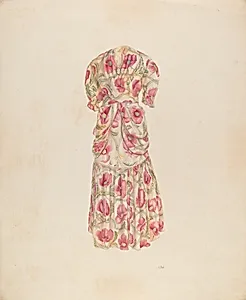
Joseph L. Boyd was an American artist who worked as a watercolor renderer for the Index of American Design, one of the most ambitious documentary art projects of the twentieth century. Undertaken by the Federal Art Project of the Works Progress Administration between 1935 and 1942, the Index mobilized artists across the country to produce meticulous watercolor drawings cataloguing the material culture of American decorative and folk art — furniture, textiles, ceramics, metalwork, and everyday household objects — primarily by anonymous craftspeople whose work might otherwise have gone unrecorded.
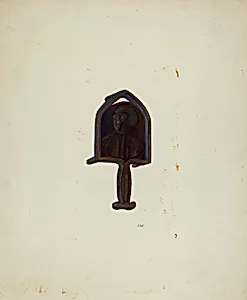
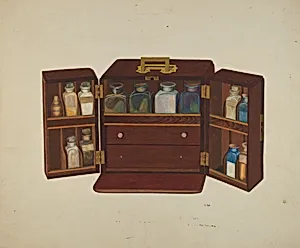
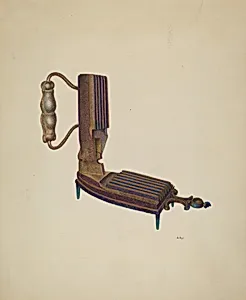
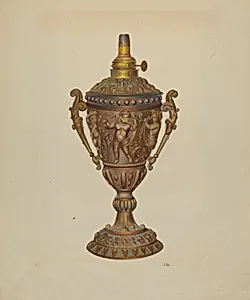
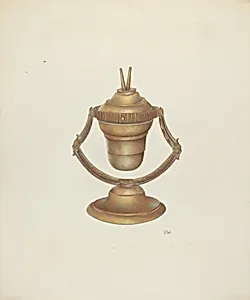
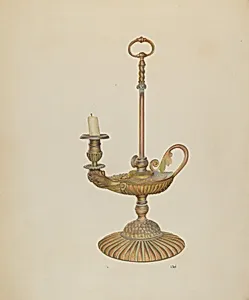
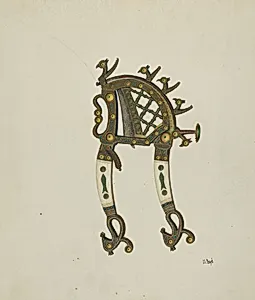
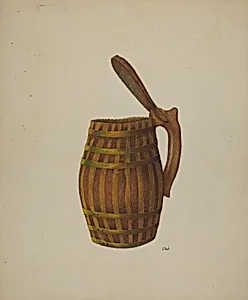
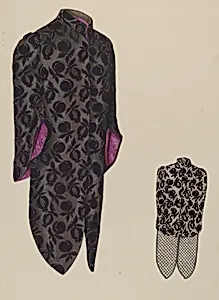
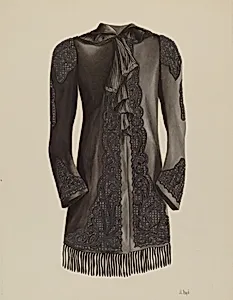
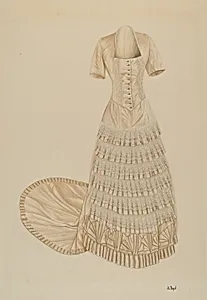
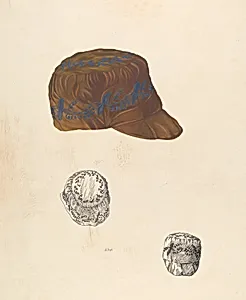
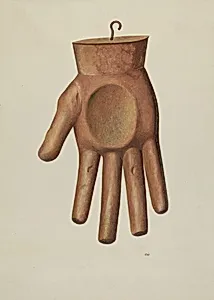
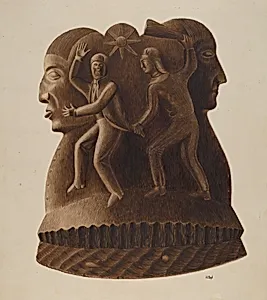
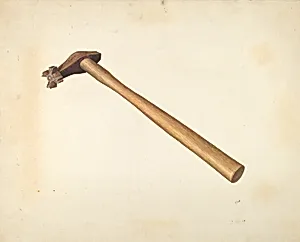
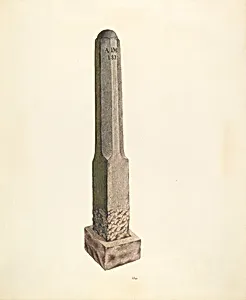
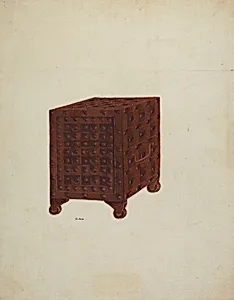
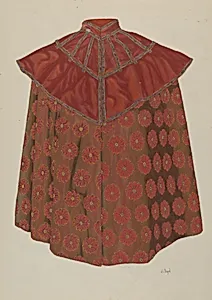
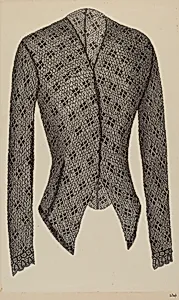
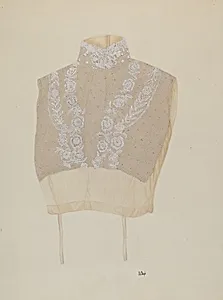
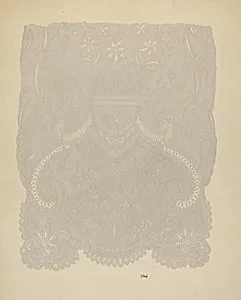
Boyd contributed a series of precise, technically refined watercolor renderings between approximately 1938 and 1940. Working in watercolor, gouache, graphite, and pen and ink, he documented objects including a Mariner's Lamp, a Medicine Chest, a Tobacco Cutter, a Wine Jug, a Fluting Iron, a Trivet, an Ornamental Oil Lamp, a Candle Holder, and sections of Lace Wedding Veil, among other subjects. These renderings demanded exacting fidelity to the original objects, capturing surface texture, material properties, and constructional detail with the precision of technical illustration while maintaining the warmth of hand-rendered craft.
The works Boyd produced for the Index are held today in the collection of the National Gallery of Art in Washington, D.C., which received the full corpus of nearly 18,000 Index renderings from the WPA at the close of the project. His contributions represent an important chapter in American art history — a moment when government patronage linked fine art practice directly to the preservation of cultural heritage. Though biographical details about Boyd's life before and after the Index remain sparse, his surviving work confirms a skilled and disciplined draughtsman whose eye for material culture helped establish a lasting visual archive of American design.