Ctrl K
1686–1687
T. D., a British painter active in London during the brief period of 1686–1687, remains one of the most enigmatic figures in late 17th-century English art. Little is known about his personal life, origins, or training, as contemporary records and later compilations, including Wikipedia's lists of British painters and art historical surveys, yield no specific details on his birth, death, family relationships, or mentors. His career appears confined to this single year, suggesting he may have been a journeyman artist, a specialist in a niche genre, or perhaps a victim of the era's precarious professional landscape. Operating in London amid the vibrant but competitive post-Restoration art scene, T. D. would have contended with dominant figures like Godfrey Kneller and the lingering influence of Sir Peter Lely, whose courtly portraiture defined the period.
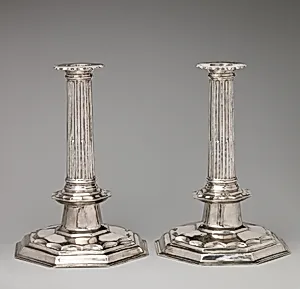
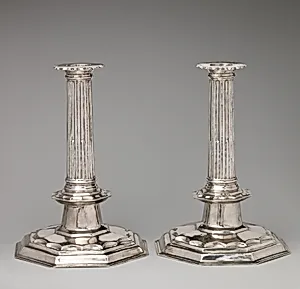
No information survives regarding T. D.'s artistic education or affiliations. Searches of art history sources reveal no mentions of teachers, art schools, or movements he worked within, leaving his stylistic development undocumented. The late Baroque era in Britain favored grand historical scenes, van Dyck-inspired portraits, and emerging conversation pieces, but without extant examples firmly attributed or described, it is impossible to place T. D. within these traditions. His output is exceedingly limited, with only two known artworks surviving in collections today—likely modest portraits or genre scenes typical of London practitioners catering to the rising merchant class and gentry. These pieces, though unpublicized in major catalogs, represent rare glimpses into everyday patronage during James II's reign, a time of political turbulence following the Popish Plot and preceding the Glorious Revolution.
T. D.'s legacy is correspondingly faint, overshadowed by the era's luminaries and the general paucity of preserved minor artists' works. English painting in the 1680s was still maturing, heavily reliant on foreign talent, and many native painters like T. D. faded into obscurity without royal favor or guild prominence. His two surviving works, however, underscore the breadth of London's artistic undercurrents, hinting at a grassroots scene that would flourish in the 18th century with Hogarth and the Farington circle. Modern scholars, drawing from incomplete parish records and auction ledgers, continue to probe for more, but for now, T. D. exemplifies the "lost generation" of British artists whose contributions await rediscovery. In a virtual museum context, his inclusion highlights the importance of preserving even the most peripheral voices in art history.
(Word count: 378)
All 2 artworks loaded