Ctrl K
1679–1749
Mark Catesby (1683–1749), an pioneering English naturalist and artist, was born on 24 March 1683 in Castle Hedingham, Essex, and baptized there a week later. His early life remains sparsely documented, with no records of formal education, artistic training, teachers, or mentors, though he was likely influenced by his uncle Nicholas Jekyll, a local naturalist with an intriguing garden and connections to figures like John Ray. Family ties propelled his career: in 1712, following his father's death, Catesby accompanied his sister Elizabeth—married to Dr. William Cocke against their father's wishes—to Williamsburg, Virginia, where he spent seven years sketching wildlife, collecting specimens, and sending seeds and plants back to England.
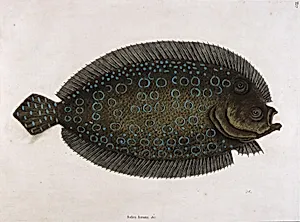
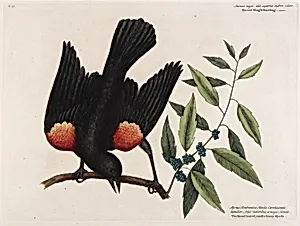
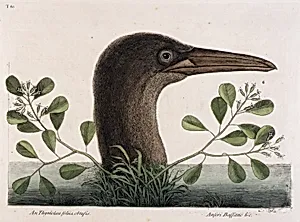
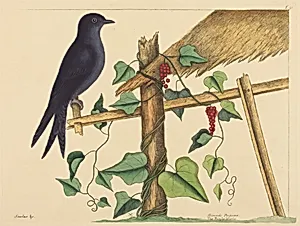
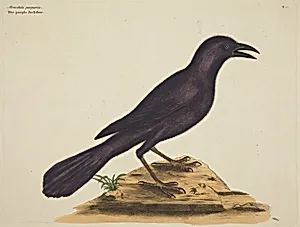
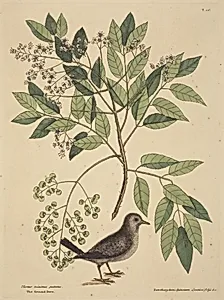
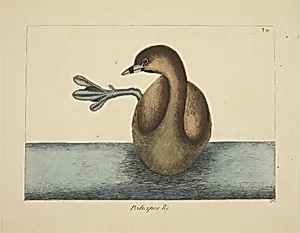
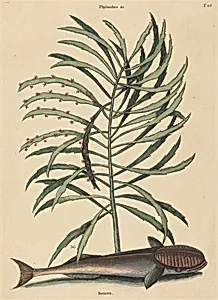
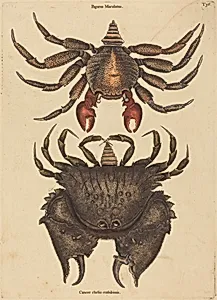
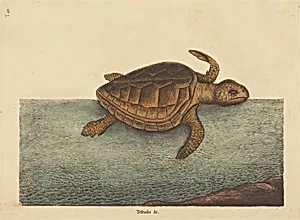
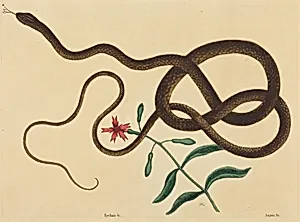
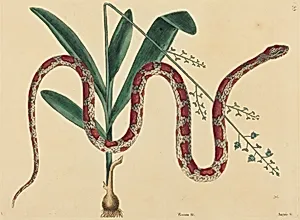
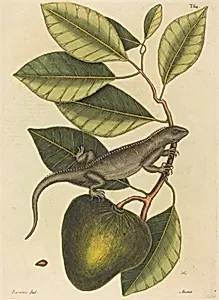
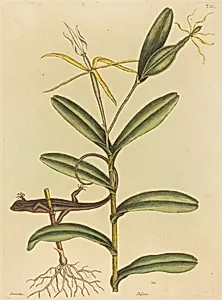
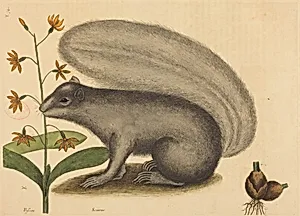
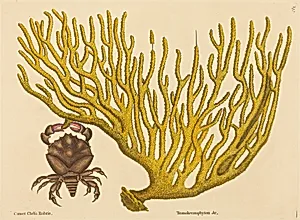
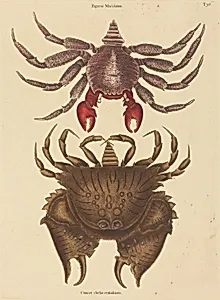
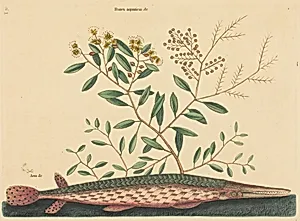
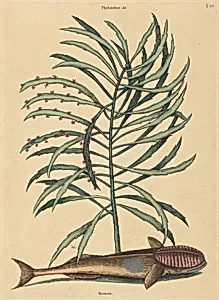
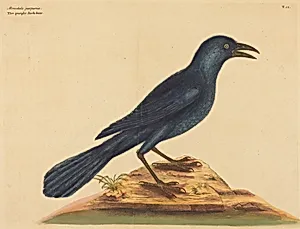
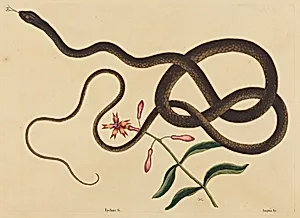
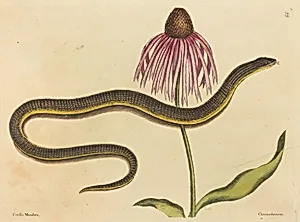
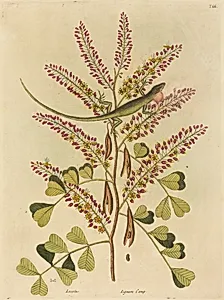
Spurred by patrons like botanist William Sherard, Catesby returned to America in 1722, basing himself in Charles Town (now Charleston), South Carolina, for expeditions across the Carolinas, Florida, and the Bahamas until 1726. Upon returning to London, he taught himself to etch copper plates—a skill unavailable affordably from continental sources—and produced *The Natural History of Carolina, Florida, and the Bahama Islands* (1729–1747), a groundbreaking two-volume work with over 220 hand-colored plates depicting birds, mammals, reptiles, fish, insects, and plants. The first installment, presented to Queen Caroline in May 1729, financed by subscriptions and loans from Peter Collinson, revolutionized natural history illustration; later volumes appeared in 1732 and 1743, with a 1747 supplement drawing from John Bartram's contributions. Posthumous publications included *Hortus Europae Americanus* (1763, second edition 1767).
Catesby's style marked a departure from prior isolated specimen portraits: he innovatively composed dynamic scenes integrating animals with their habitat plants and backgrounds, as in his plate of the ivory-billed woodpecker amid willow oak (*Quercus phellos*) branches or the Magnolia grandiflora (engraved by Georg Ehret). Working in the burgeoning tradition of scientific natural history art, his meticulous watercolors—now in the Royal Collection at Windsor Castle—captured behaviors and ecologies with unprecedented accuracy, foreshadowing field observation methods.
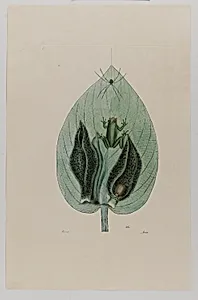
Catesby's legacy endures as the founder of American ornithology and a pioneer whose work informed Carl Linnaeus's *Systema Naturae* (1758), naming 81 bird species after him; genera like *Catesbaea* and species such as the bullfrog *Lithobates catesbeianus* honor him. A Royal Society Fellow from 1733, he introduced species like catalpa to Europe and documented now-extinct birds like the Carolina parakeet, blending art and science to illuminate the New World's biodiversity for generations.