Ctrl K
1901–2003
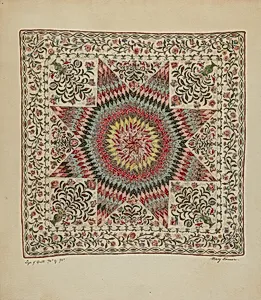
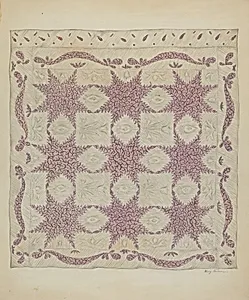
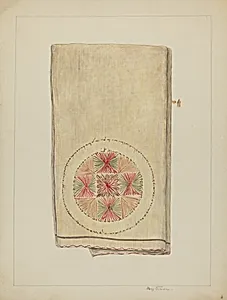
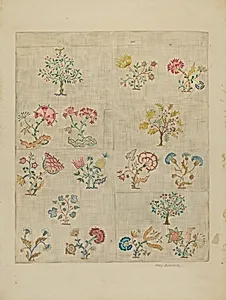
Mary Berner (1901–2003), an American artist born in Germany, is best known for her meticulous contributions to the Index of American Design, a Works Progress Administration (WPA) Federal Art Project launched in 1935 to document the nation's folk crafts and decorative arts through precise artistic renderings. Active during the project's peak years from 1935 to 1942, Berner produced dozens of detailed watercolor, graphite, pen and ink, and colored pencil drawings that captured the textures, patterns, and cultural significance of everyday objects, preserving them for posterity amid the Great Depression era's emphasis on American heritage.
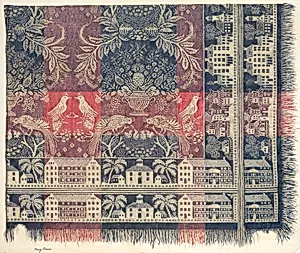
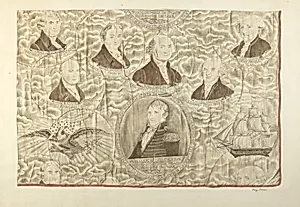
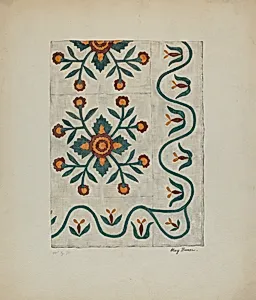
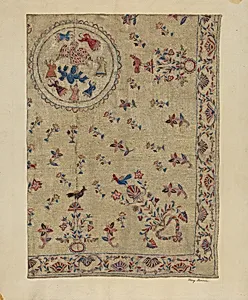
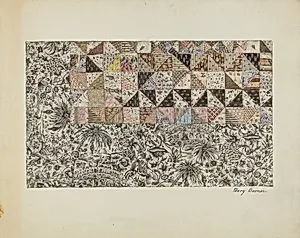
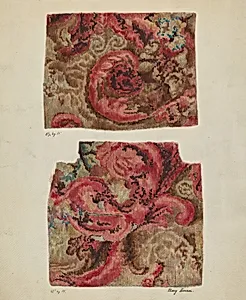
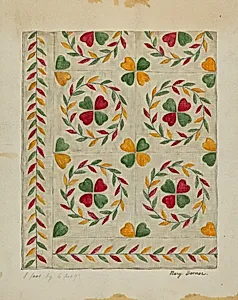
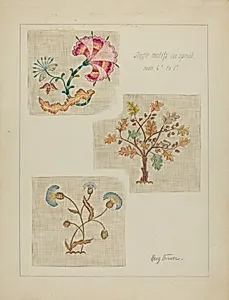
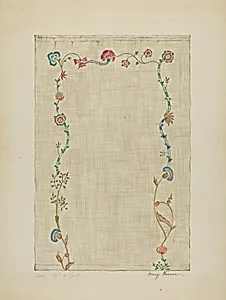
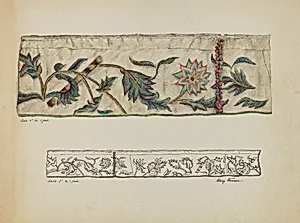
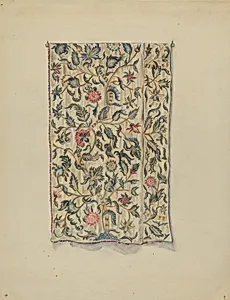
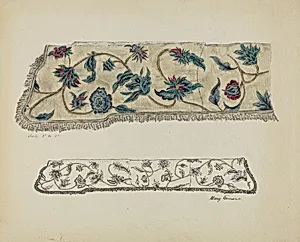
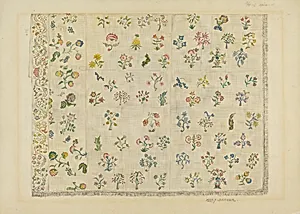
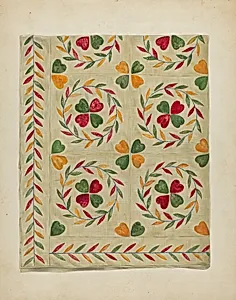
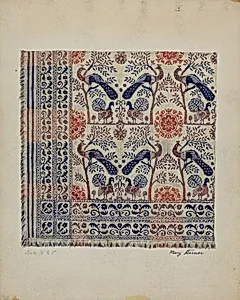
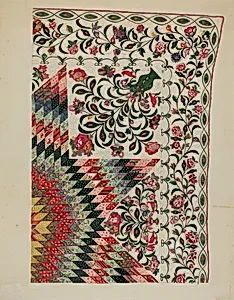
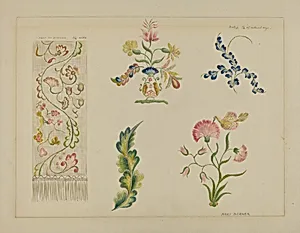
Little is known about Berner's early life or formal training, as historical records focus primarily on her output for the Index rather than personal background. Her style was characteristically realistic and documentary, emphasizing fine details in color, weave, and form without embellishment—hallmarks of the project's goal to create an encyclopedic visual archive. Notable works include *Bedspread* (c. 1936, watercolor and graphite on paperboard), a vivid depiction of an appliqué quilt; *Crewel Bedspread* (c. 1937, watercolor, graphite, and pen and ink on paper); *Woven Jacquard Coverlet* (c. 1939); and renderings of utilitarian items like *Machine Woven Carpet Bag* (c. 1937), *Vessel* (1935/1942, graphite and colored pencil), and *Moccasin* (1935/1942). She also illustrated Native American artifacts such as headdresses, medicine bags, hide robes, and feather cases, alongside European-influenced textiles like patchwork bedspreads and printed cottons.
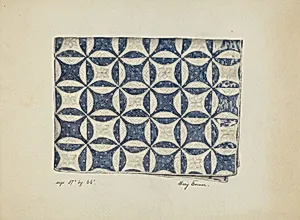
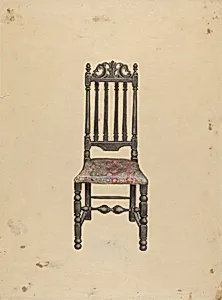
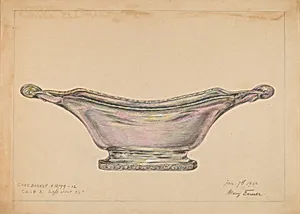
Berner's subjects spanned quilts from makers like Mary Totten of Staten Island, crewel embroideries, side chairs, cake baskets, and belts, reflecting a broad spectrum of regional crafts from colonial to indigenous traditions. Today, nearly 50 of her pieces reside in the National Gallery of Art's collection, underscoring her enduring legacy as a key figure in American design history. By translating three-dimensional objects into two-dimensional art, Berner helped foster national pride in vernacular creativity, influencing later studies in material culture and folk art conservation. Her long life, spanning the 20th century, bridged immigrant roots with a distinctly American artistic endeavor.