Ctrl K
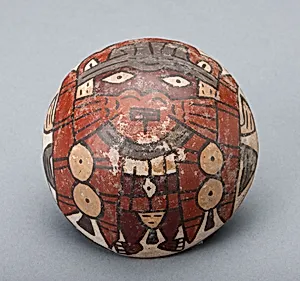
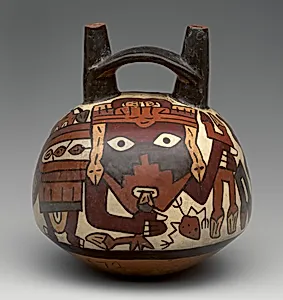
Nasca artists, active from approximately 100 BCE to 800 CE along the arid southern coast of Peru in the Rio Grande de Nazca and Ica Valleys, produced some of the most vibrant and technically innovative art of the ancient Americas. Their work emerged from the Paracas tradition, expanding on earlier resin-painted ceramics and complex textiles while introducing pre-fire slip painting in up to twelve colors for pottery and advanced weaving techniques like gauze and cross-knit looping. This Nasca school emphasized bold, polychrome designs that evolved over phases: early realistic depictions of animals, plants, and fruits in Phases 1–4 (1–450 CE), shifting to more abstract, proliferous motifs with rays, volutes, and militaristic themes influenced by the Moche culture in later phases (450–750 CE).
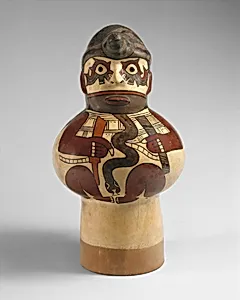
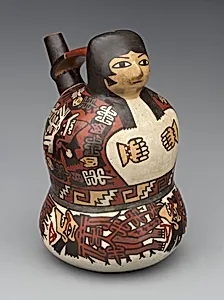
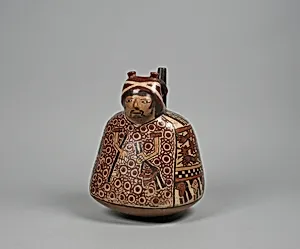
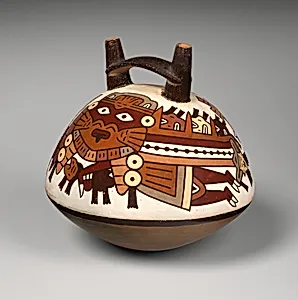
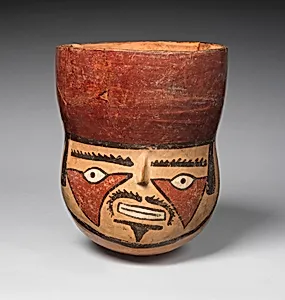
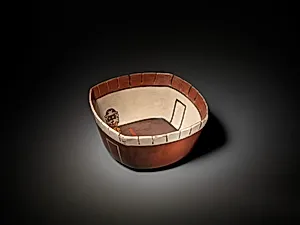
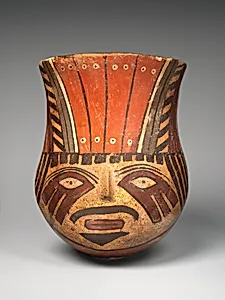
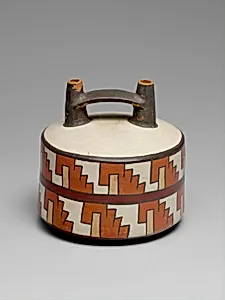
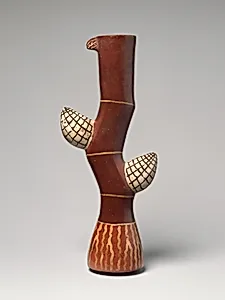
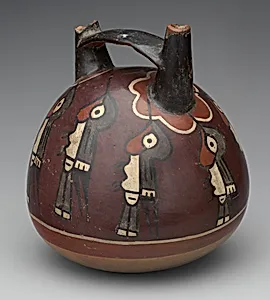
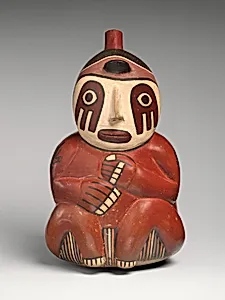
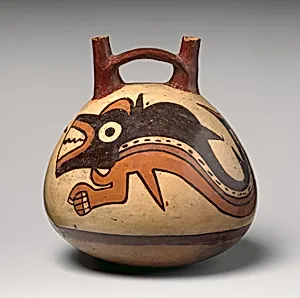
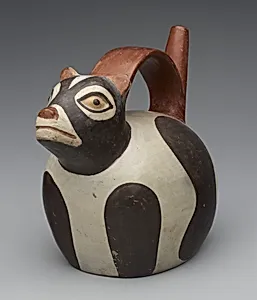
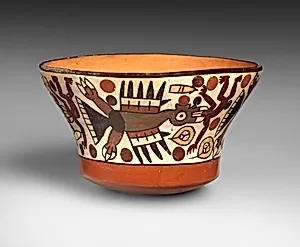
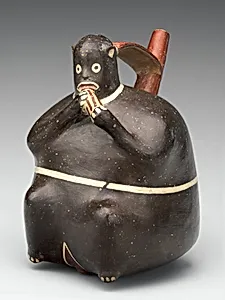
Nasca ceramics, the hallmark of their output, included double-spout bottles, effigy vessels, bowls, and cups featuring mythical beings like killer whales, spotted cats, serpentine figures, and trophy heads—symbols tied to rituals of fertility, warfare, and water deities essential to their desert agrarian society. Notable examples include the Lobster effigy vessel (Phases III–IV, 300–600 CE) at the Walters Art Museum and bowls with fish motifs at the Victoria and Albert Museum. Textiles, woven from cotton and camelid wool on backstrap looms, adorned shawls, tunics, and mantles with rayed heads and anthropomorphic figures, as seen in the Nazca mantle with "double fish" design (0–100 CE) at the Brooklyn Museum. Their monumental geoglyphs, the famed Nazca Lines—including figures like "The Dog"—were etched into the desert by removing dark pebbles, requiring vast communal labor visible only from above.
The anonymous Nasca artisans, including women weavers and potters working at sites like the pilgrimage center Cahuachi, created art without a writing system, using iconography to convey sacred narratives of nature spirits and social rituals. Their legacy endures in preserved burials and the still-functional puquios aqueducts from the Middle Nasca period, influencing later Andean cultures and captivating modern audiences with the enigmatic Lines—a testament to ingenuity in one of the world's driest environments. Today, Nasca works fill museum collections worldwide, revealing a society where art bridged the profane and divine.