Ctrl K
1855
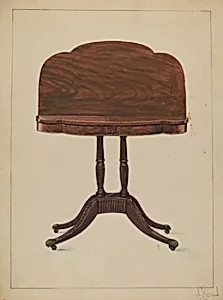
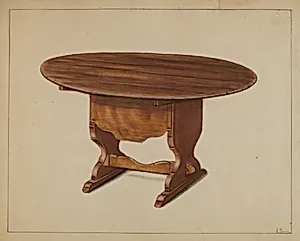
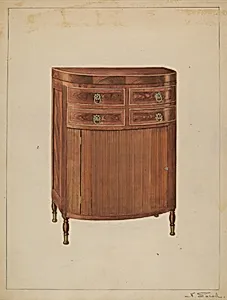
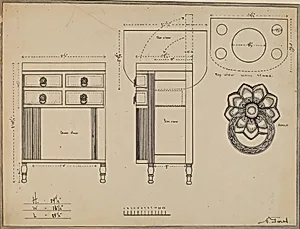
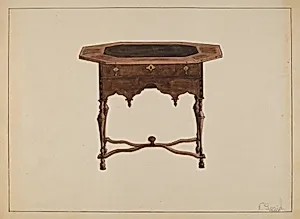
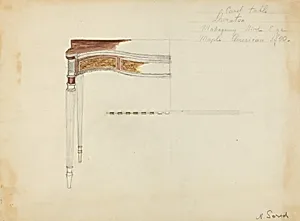
Nicholas Gorid (b. 1896) was an American artist best known for his meticulous contributions to the Index of American Design, a Works Progress Administration (WPA) Federal Art Project initiative launched in the 1930s to document the nation's rich heritage of decorative arts and folk objects. Active primarily from the mid-1930s through the early 1950s, Gorid produced highly detailed renderings of antique furniture, capturing their craftsmanship, proportions, and historical styles with technical precision. Little is known about his early life or formal training, as biographical details remain sparsely documented beyond his professional output.
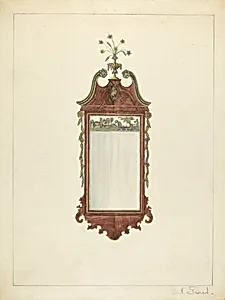
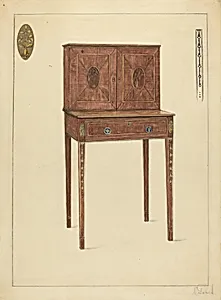
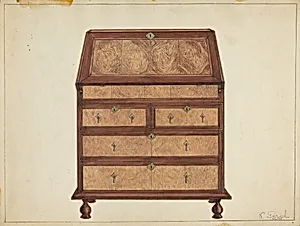
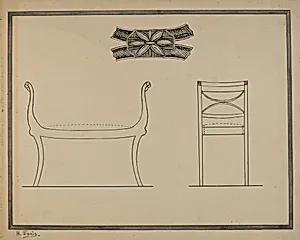
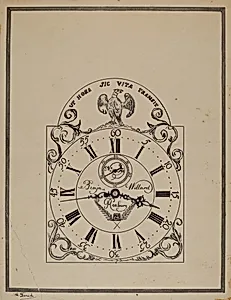
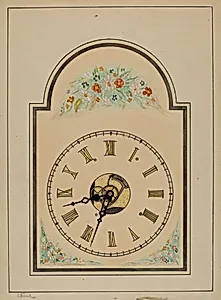
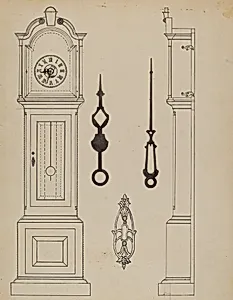
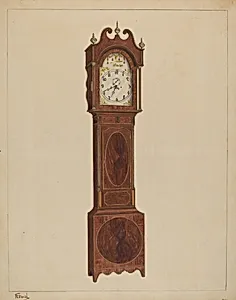
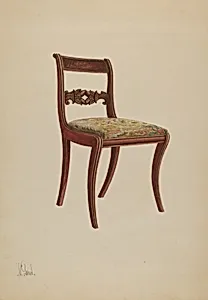
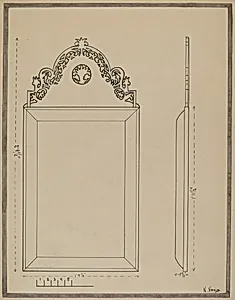
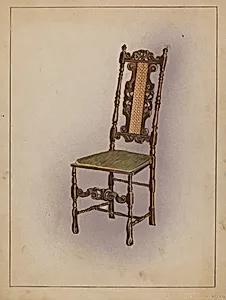
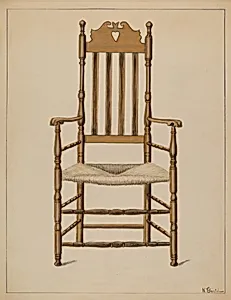
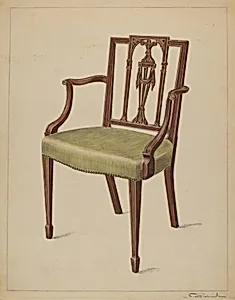
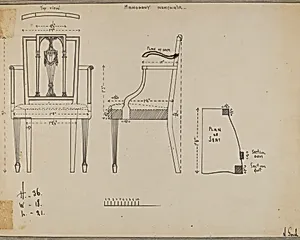
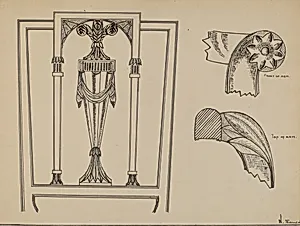
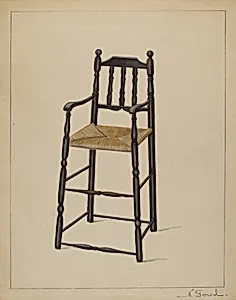
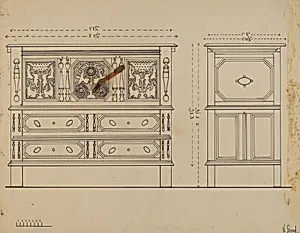
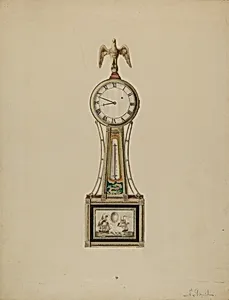
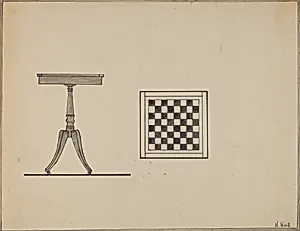
Gorid's artistic style was rooted in the documentary realism of the Index of American Design, employing watercolor, graphite, colored pencil, pen and ink, and gouache to create vivid, measured illustrations that served both as artistic expressions and scholarly records. His works often highlighted Federal-era and colonial pieces, blending artistic flair with architectural accuracy—evident in measurements, wood grain textures, and ornamental details. Notable examples include *Checker Table* (1936), a playful game table rendered in watercolor, colored pencil, and graphite; *Side Chair* (1937); *Armchair* (c. 1936); and *Chest* (c. 1936), all showcasing everyday American design ingenuity. Clocks were a recurring motif, such as *Grandfather Clock* (c. 1937), *Clock* (c. 1938), and a mahogany banjo clock featured in MoMA's 1936 exhibition *New Horizons in American Art*. Later pieces like *Mirror* (c. 1953), *Slant-Top Desk* (c. 1953), and *Lady's Writing Cabinet* (c. 1953) extended his oeuvre into more ornate forms.
Today, Gorid's legacy endures through the National Gallery of Art's collection of over 58 of his works, which preserve a visual catalog of America's material culture at a time when many originals faced obsolescence or destruction. By transforming functional objects into celebrated artworks, he bridged art history and cultural preservation, offering modern viewers an intimate glimpse into the aesthetics of bygone eras. His contributions underscore the WPA's role in sustaining artistic employment while fostering national identity during the Great Depression.