Ctrl K
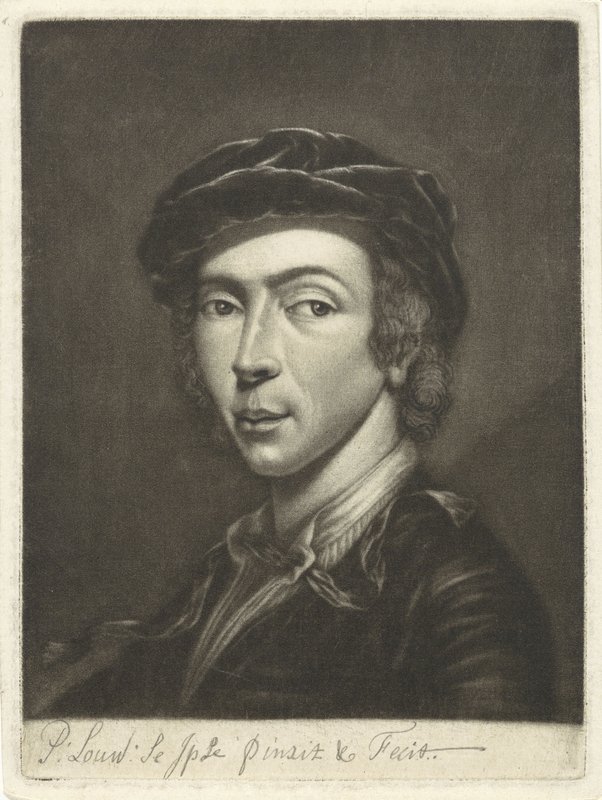
1725–1800
Occupations
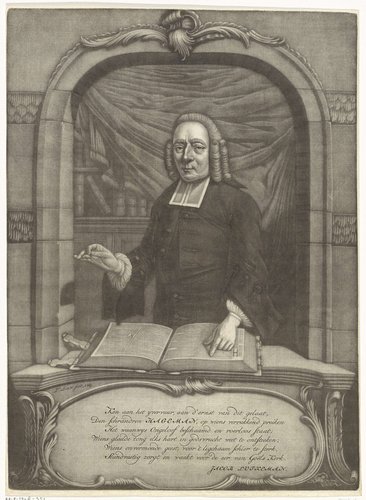
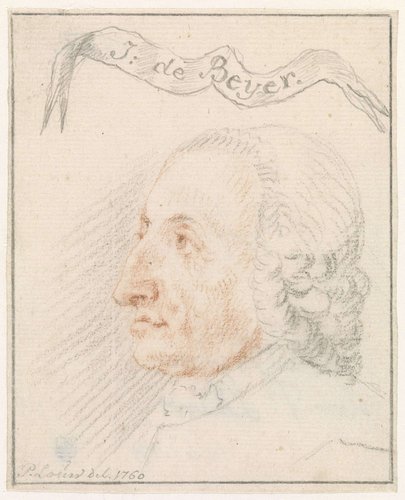
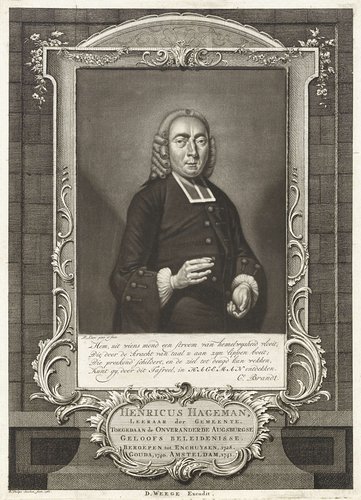
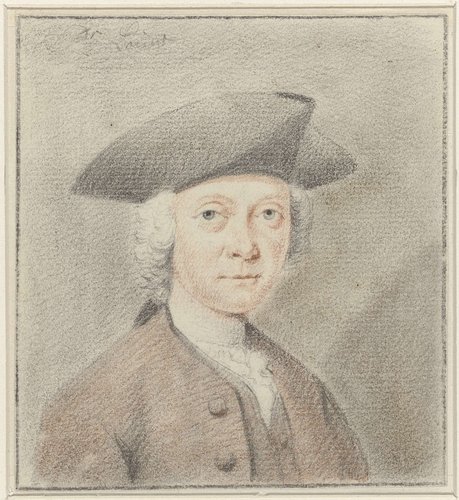
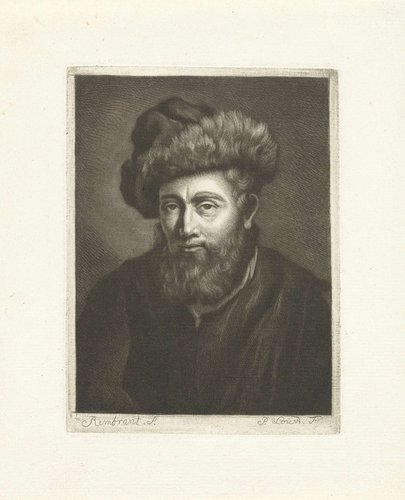
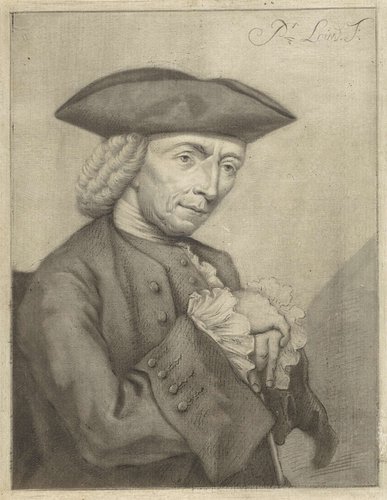
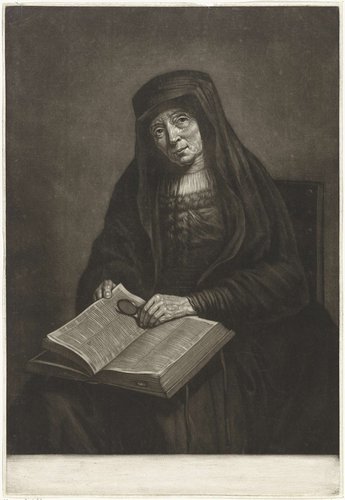
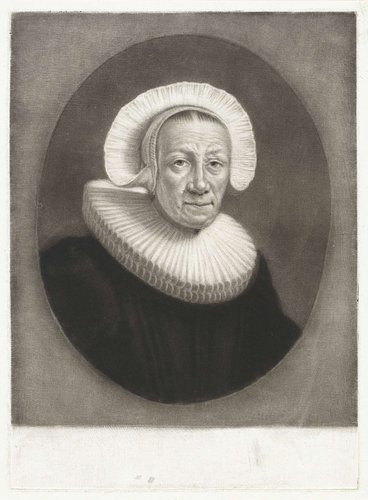
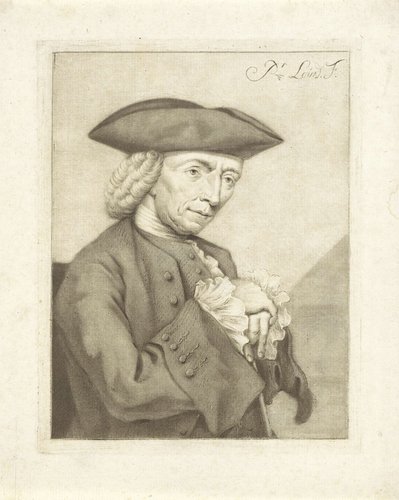
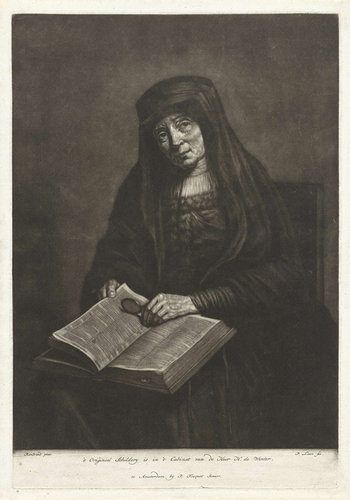
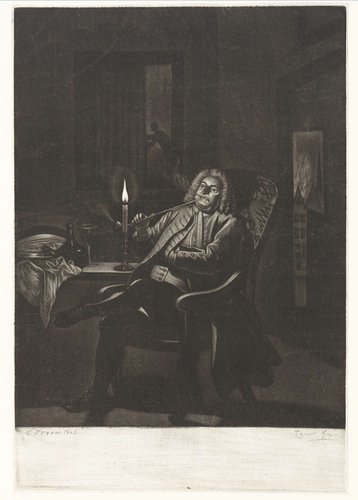
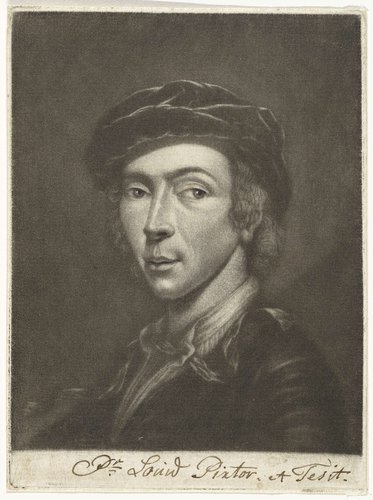
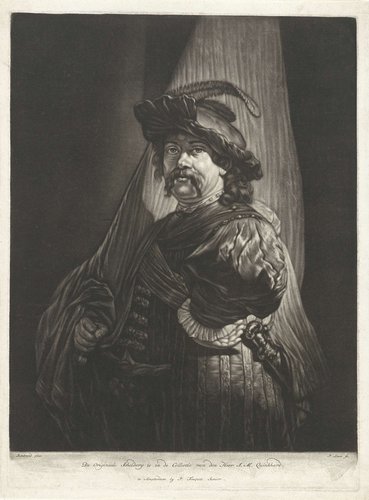
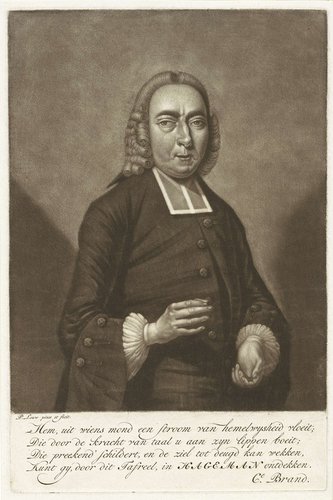
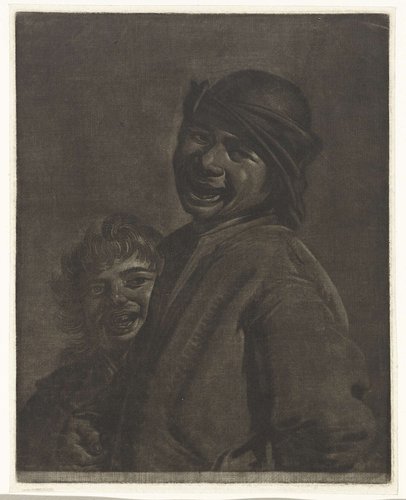
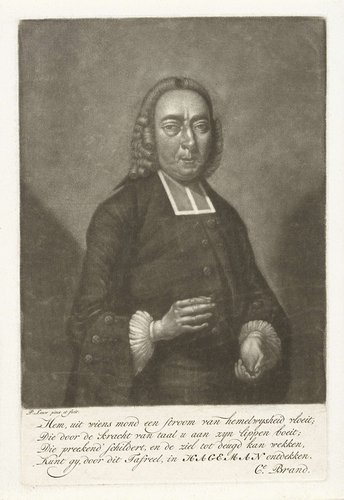
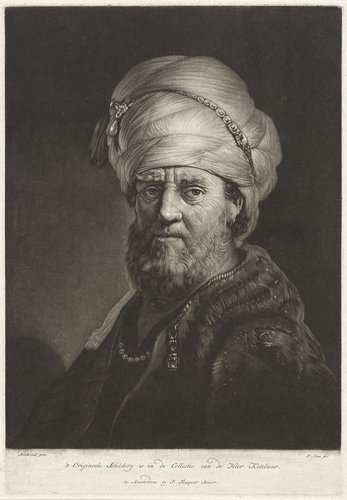
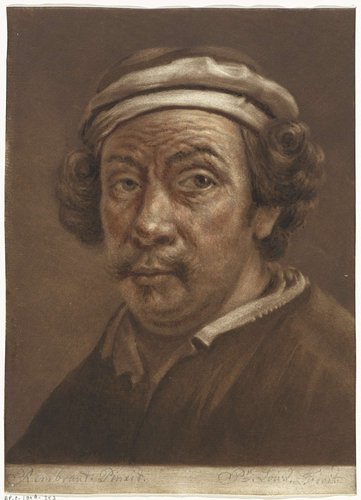
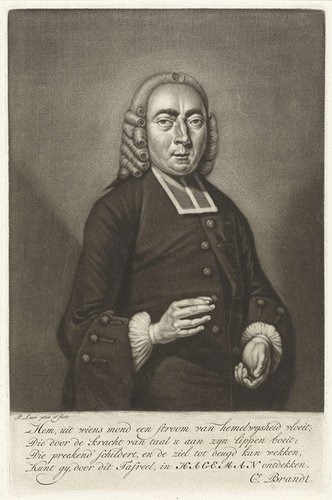
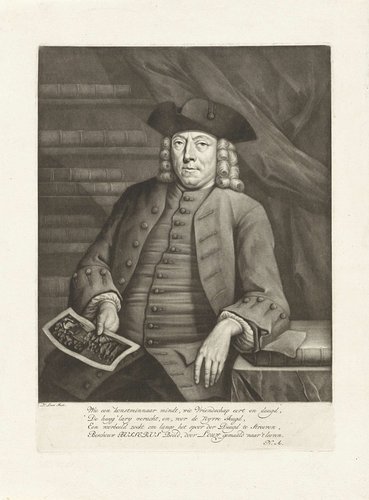
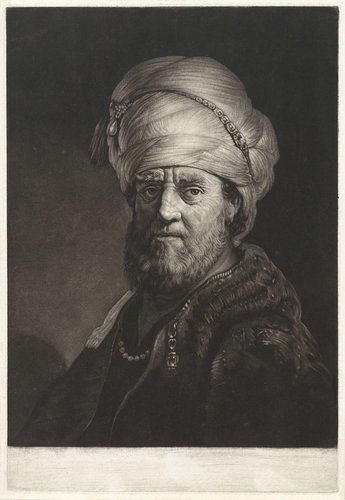
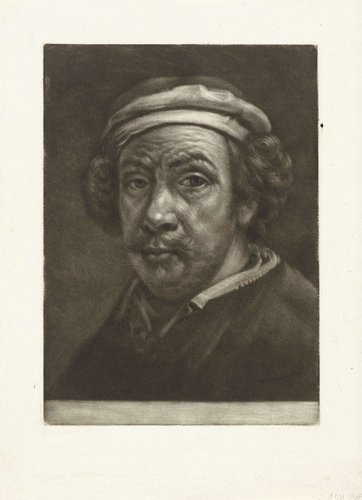
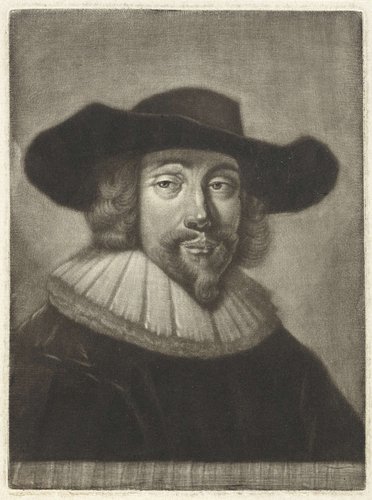
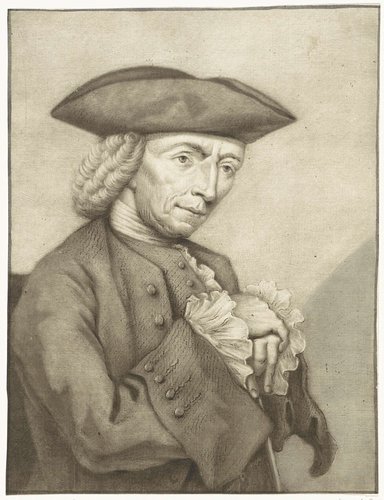
Pieter Louw (1725–1800) was a Dutch painter-engraver who achieved recognition primarily for his accomplished mezzotint reproductions of old master paintings. Born in October 1725 in Amsterdam and dying in March 1800 in the same city, Louw's career spanned the full breadth of the 18th century, a period when reproductive printmaking played a crucial cultural role in disseminating knowledge of paintings to broader audiences throughout Europe. His specialized mastery of mezzotint—a demanding printmaking technique capable of subtle tonal gradations—made him an important figure in Dutch printmaking during its later flourishing, following the golden age of the 17th century. Louw's professional practice centered on creating high-quality mezzotint reproductions of paintings by Dutch and European old masters. This work required not only technical mastery of the complex mezzotint process but also interpretive skills to capture the essential qualities of paintings in black-and-white prints. Working with Caspar Jacobsz Philips, Louw contributed to the important 18th-century project of making masterpieces of Dutch painting accessible through affordable prints, effectively creating an early form of art historical dissemination. His reputation and skill eventually led him to establish himself as a teacher, training the next generation of Dutch printmakers including Jacob Cats, Anna Maria Ebeling, Johan George Kreetschmer, Daniël Veelwaard (I), and Izaak Jansz. de Wit, ensuring the continuation of mezzotint traditions into the 19th century even as newer printmaking technologies began to emerge.
Pieter Louw was born in October 1725 in Amsterdam, the commercial and artistic capital of the Dutch Republic. Amsterdam in the early 18th century retained its position as one of Europe's major cities, though the explosive economic growth of the 17th-century Dutch Golden Age had moderated.
Louw's training included work with Caspar Jacobsz Philips, who introduced him to the demanding techniques of mezzotint and reproductive engraving. This apprenticeship would have involved learning the complex preparatory work required for mezzotint—rocking the copper plate to create the characteristic burr that holds ink—as well as the controlled scraping and burnishing that creates tonal gradations from deep black to brilliant white.
Louw established himself as a professional painter-engraver in Amsterdam, working primarily in mezzotint to create reproductions of old master paintings. His choice to specialize in copies of old masters served important cultural functions: it made expensive and geographically distant paintings accessible to middle-class collectors, provided study materials for artists, and contributed to art historical knowledge.
Mezzotint, invented in the 17th century, was particularly valued for reproducing paintings because its ability to create subtle tonal gradations approximated paintings' modeling and atmospheric effects more successfully than line engraving's hatched lines. Louw's mastery of this technique placed him among Amsterdam's skilled reproductive printmakers.
His work as both painter and engraver gave him comprehensive understanding of the relationship between painted and printed images, allowing him to create prints that captured not merely compositions but also tonal relationships and atmospheric qualities of paintings.
Louw's reputation and experience led him to take on students, becoming an important teacher of the next generation of Dutch printmakers. His pupils included Jacob Cats, Anna Maria Ebeling, Johan George Kreetschmer, Daniël Veelwaard (I), and Izaak Jansz. de Wit, several of whom went on to successful careers as printmakers themselves.
As a teacher, Louw transmitted not only technical skills but also understanding of how to interpret paintings through prints, maintaining the tradition of reproductive printmaking even as technological innovations were beginning to transform the field.
Pieter Louw died in March 1800 in Amsterdam, having spent his entire seventy-five-year life in the city. His death came at the turn of the century, just as new printmaking technologies and changing artistic tastes would transform the practice he had mastered.
Artheon Research Team
Last updated: 2025-11-09
Biography length: ~950 words
Wikidata/Wikimedia Commons