Ctrl K
1742–1825
Occupations
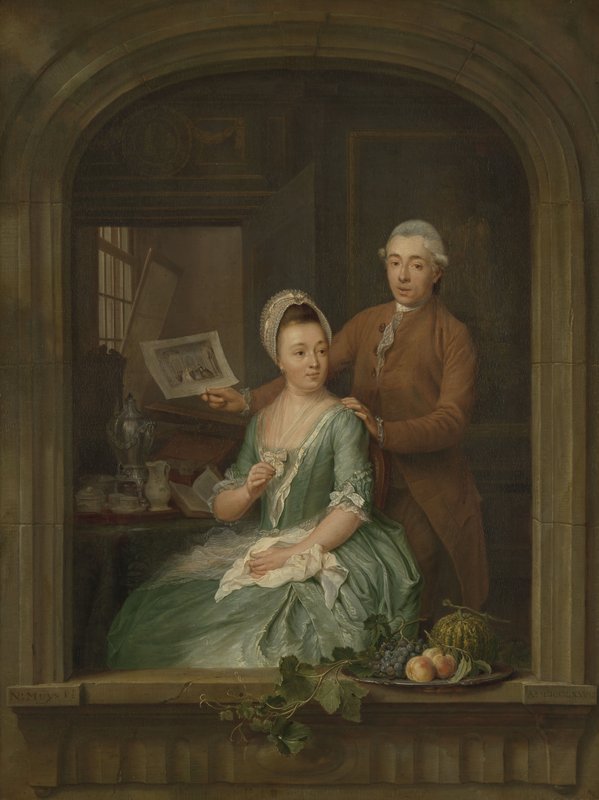
Robert (or Robbert) Muys (1742–1825) was a Dutch engraver whose long career spanned the late eighteenth and early nineteenth centuries, a period of dramatic political change in the Netherlands. Married to Maria Nozeman, Muys exemplified the professional engraver whose workshop practice combined technical skill with entrepreneurial organization. His work encompassed various subjects typical of Dutch engraving in this period, including historical scenes, topographical views, and reproductive engravings. A notable 1778 portrait of the couple by Nicolaes Muys (the painter's brother) provides rare visual documentation of an engraver's professional life, showing Robert holding one of his own prints with a glimpse into his studio in the background.
Robert Muys was born in 1742 in the Netherlands and married Maria Nozeman, forming both a personal and professional partnership. In 1778, Nicolaes Muys (Robert's brother, a painter) created a double portrait of the couple that has become an important historical document. The Rijksmuseum describes this portrait: 'Robert Muys holds up one of his own prints, and the open door behind them offers a glimpse into his studio, where the screen in front of the window allowed engravers to filter the incoming light.'
This portrait provides valuable insight into the working conditions and methods of eighteenth-century engravers. The screen mentioned in the Rijksmuseum description was essential equipment for engravers, who needed consistent, carefully controlled lighting to execute the precise work required for copper engraving. Natural light from north-facing windows, filtered and diffused by screens, provided the ideal illumination for the demanding close work of incising lines into metal plates.
Muys worked during a period of significant political upheaval in the Netherlands. The Dutch Republic, which had existed since the late sixteenth century, faced increasing internal tensions in the late eighteenth century, culminating in the Patriot movement's challenges to the stadtholder's authority. The French Revolutionary period brought French occupation (1795–1813), followed by the establishment of the Kingdom of the Netherlands in 1815. Throughout these dramatic changes, Muys maintained his engraving practice, demonstrating the resilience of artistic craft even amid political turmoil.
His works include an engraving depicting the Battle of Dogger Bank from 1781, created in 1784. This naval battle between the Dutch Republic and Great Britain was a significant event during the Fourth Anglo-Dutch War (1780–1784), and Muys's print served to commemorate this engagement and circulate knowledge of the battle to Dutch audiences. Historical and commemorative engravings like this played important roles in constructing and maintaining national identity and collective memory.
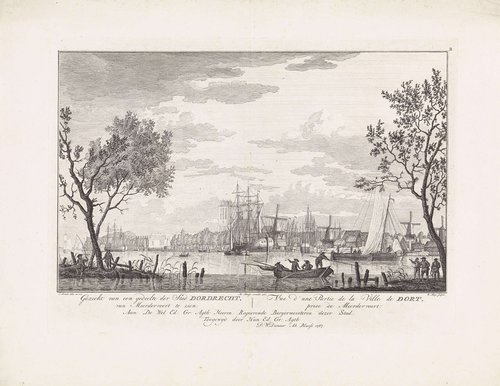
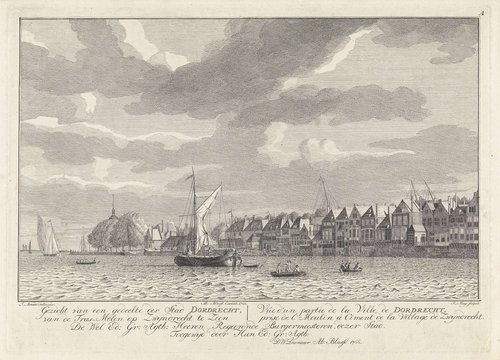
Muys also created topographical engravings, including a view of the Delft City Hall (Stadhuis van Delft), demonstrating his work documenting Dutch urban architecture and civic buildings. Such prints served both practical purposes—providing images of important buildings for those who couldn't visit them—and helped construct visual catalogs of Dutch architectural heritage.
Robert Muys died in 1825, having lived through one of the most tumultuous periods in Dutch history and having maintained his professional practice across political regimes from the old Dutch Republic through French occupation to the new Kingdom of the Netherlands.
Artheon Research Team
Last updated: 2025-11-09
Biography length: ~720 words
Wikidata/Wikimedia Commons