Ctrl K
1855
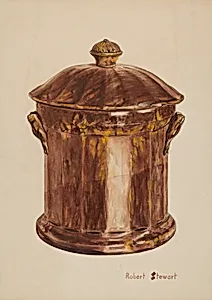
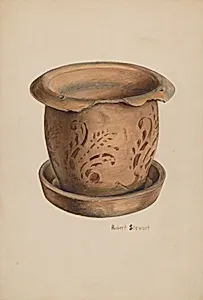
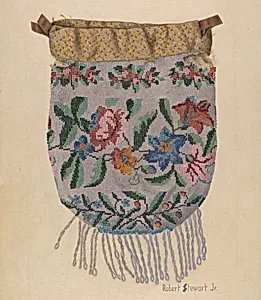
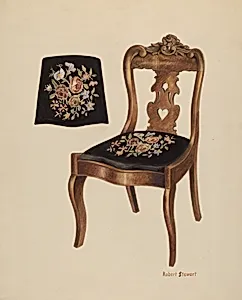
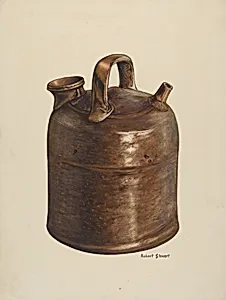
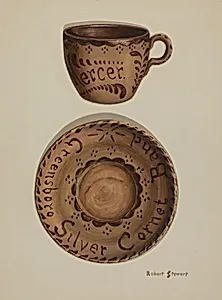
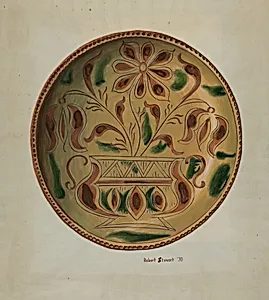
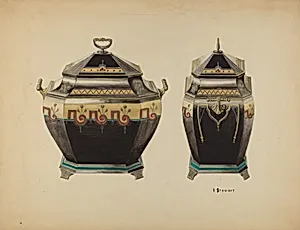
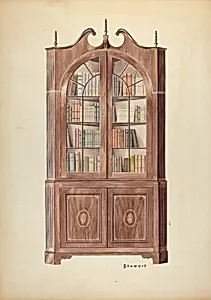
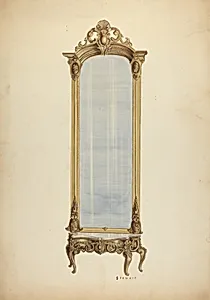
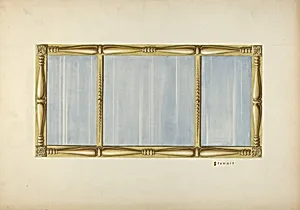
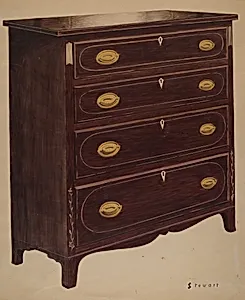
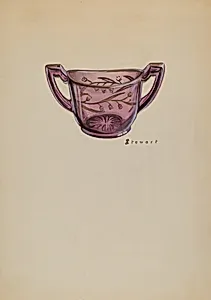
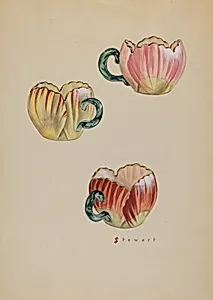
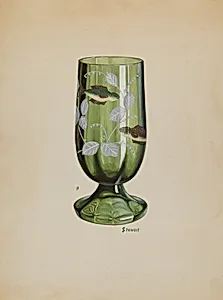
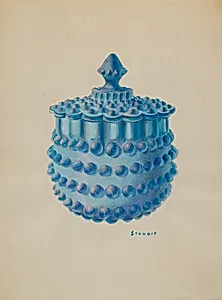
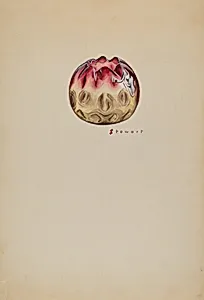
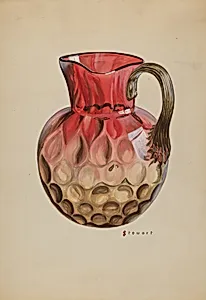
Robert Stewart was an American artist who worked during the New Deal era, contributing to the Index of American Design — one of the most ambitious cultural documentation projects in United States history. Sponsored by the Works Progress Administration's Federal Art Project from 1935 to 1942, the Index employed hundreds of artists across the country to create meticulous watercolor renderings of American folk art, decorative objects, and crafts from the colonial period through the nineteenth century. Stewart was among the roughly one thousand artists who participated in this nationwide effort, and his works are held in the National Gallery of Art in Washington, D.C., which received the Index collection in 1943.
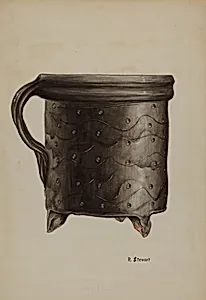
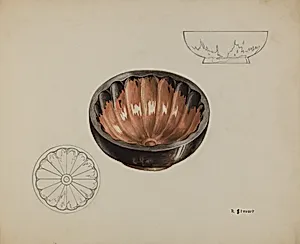
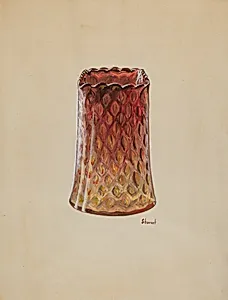
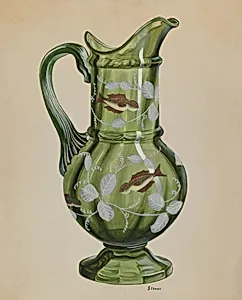
Working in watercolor and related media on paper, Stewart produced detailed documentary illustrations of the everyday objects that shaped American material culture — the kind of objects that historians and scholars might otherwise overlook. The Index required extraordinary technical discipline: each rendering had to capture texture, shadow, dimension, and color with scientific precision, making the work both artistically demanding and historically valuable. Stewart's contributions to the collection reflect the broader mission of the project, which sought to define and preserve a distinctly American design heritage during a period of national economic crisis.
The Index of American Design remains one of the great achievements of New Deal cultural policy, and the artists who created it — Stewart among them — played a lasting role in shaping how Americans understand their own decorative arts traditions. Their watercolors now serve as irreplaceable primary documents for researchers, curators, and designers. While biographical details about Stewart are limited in the surviving record, his work endures in the National Gallery's collection as testimony to the craftsmanship and cultural curiosity that defined the Federal Art Project's finest output.