Ctrl K
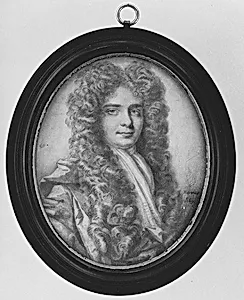
1645–1703
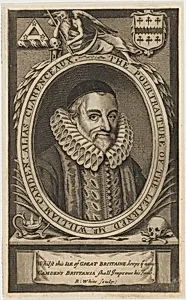
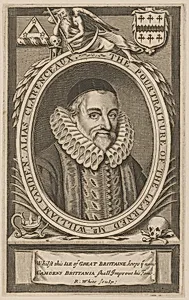
Robert White was a British engraver and draughtsman born in London in 1645, who became one of the most accomplished portrait engravers working in England during the latter decades of the seventeenth century. He trained under David Loggan, the Polish-born engraver who was among the dominant figures of portrait printmaking in Restoration England, and from Loggan he acquired both the technical mastery of the stipple and line technique and the professional connections that would sustain a successful career producing portrait prints for the London book and print trade.
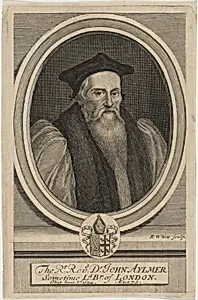
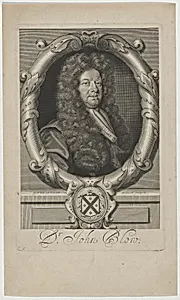
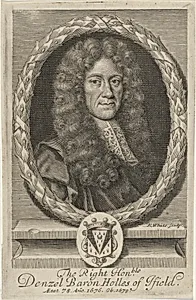
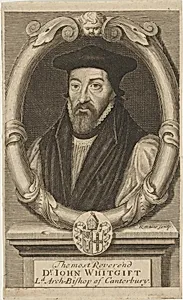
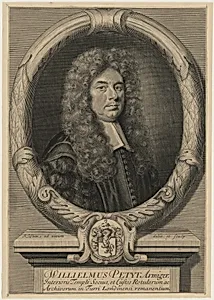
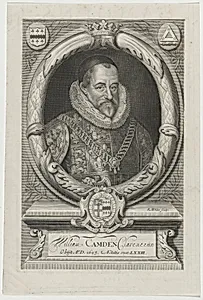
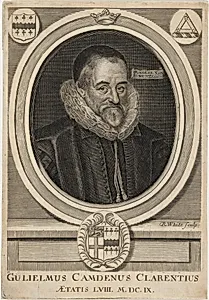
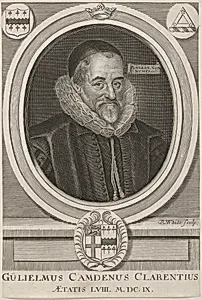
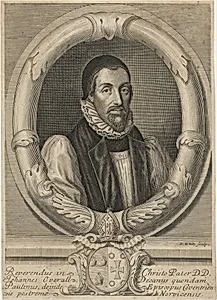
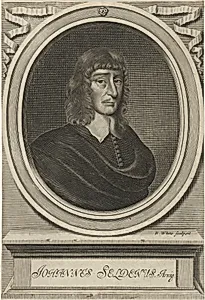
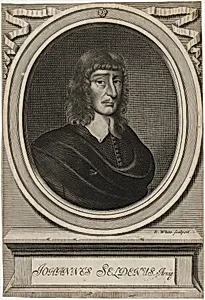
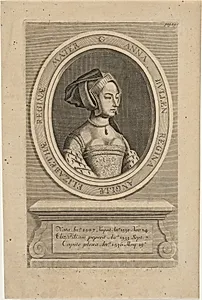
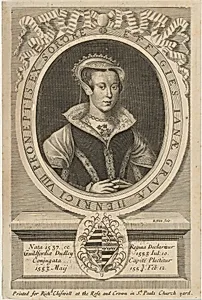
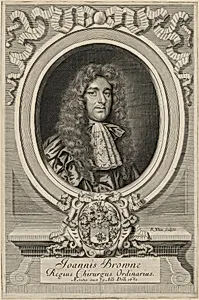
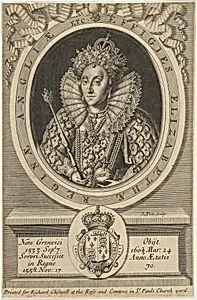
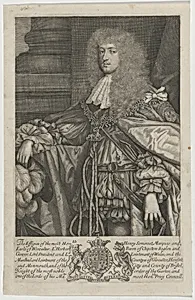
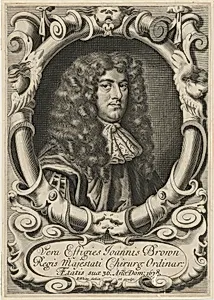
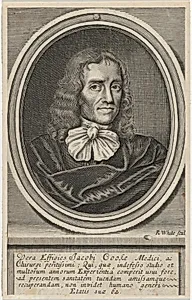
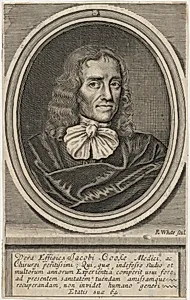
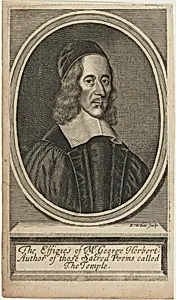
White's portraits were primarily reproductive works — engravings made after painted portraits by leading artists — intended as frontispieces for books, as commemorative prints, and as affordable likenesses of celebrated contemporaries for the general public. In an age before photographic reproduction, such prints served a vital function in disseminating images of writers, clergy, scientists, politicians, and aristocrats to audiences who might never have access to the original paintings. White was particularly prolific in producing portraits of literary and ecclesiastical figures, and his prints appeared as frontispieces in many of the most important books published in England during his active years.
His technique is characterized by a fine, regular stippled surface that achieves convincing gradations of tone and a quality of likeness that satisfied the period's demand for physiognomic accuracy. He was adept at translating the conventions of painted portraiture — the formal pose, the fur-trimmed gown, the identifying attributes — into the medium of engraving without loss of dignity or character. His sitters included many of the notable figures of late seventeenth-century English intellectual and public life.
White died in London in 1703, leaving behind an extensive body of engraved portraits that constitute a significant visual record of Restoration and early Augustan England. His work is studied today both as examples of the engraver's craft and as historical documents, providing some of the most widely circulated images of figures central to the cultural life of his era.