Ctrl K
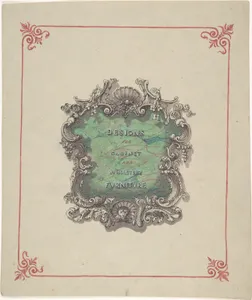
1816–1904
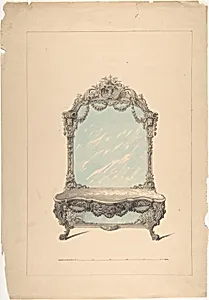
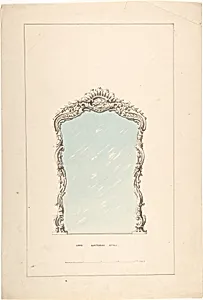
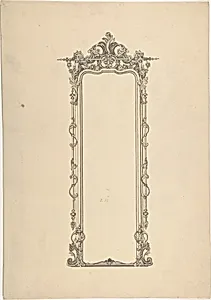
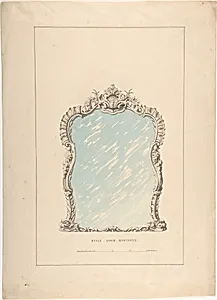
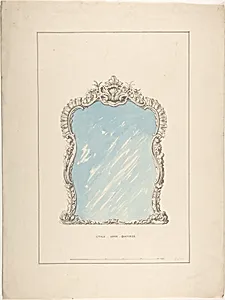
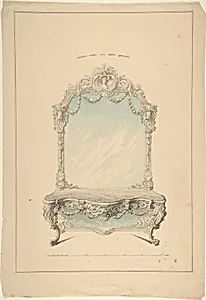
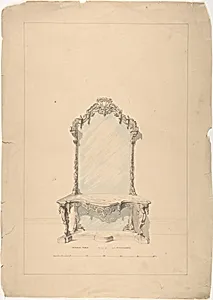
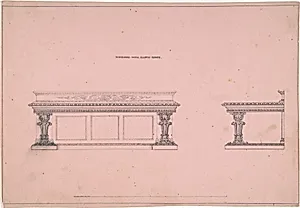
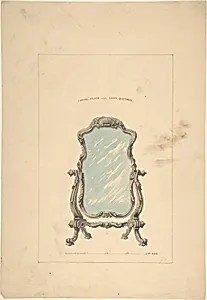
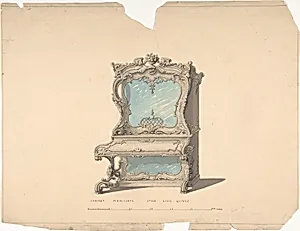
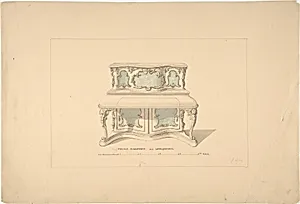
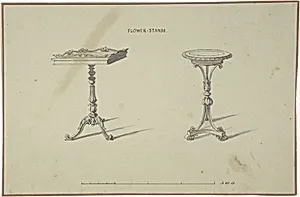
Robert William Hume (1816–1904) was a British artist and craftsman who contributed to the documentation of decorative arts and design in nineteenth-century Britain. Working during the Victorian era, Hume was part of a generation of artists and designers who combined artistic skill with antiquarian interests, producing detailed studies and records of historical objects, ornamental patterns, and architectural details.
Hume's work reflects the Victorian fascination with historical styles and the decorative arts that was fostered by institutions such as the South Kensington Museum (now the Victoria and Albert Museum) and the broader design reform movement championed by figures like Henry Cole and Owen Jones. Artists like Hume played an important role in recording and disseminating knowledge of historical design, contributing to the education of craftsmen and the improvement of British industrial design.
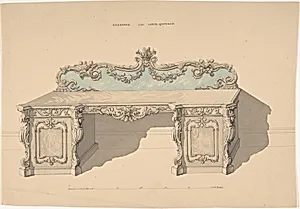
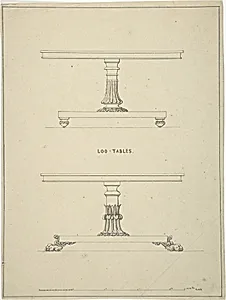
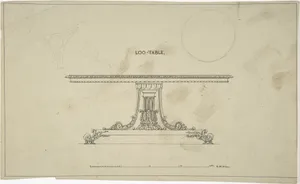
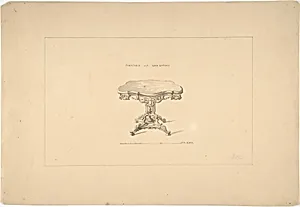
His body of work, preserved in institutional collections, demonstrates careful attention to accuracy and detail, qualities that made such documentary art valuable both as historical record and as practical reference for working designers and manufacturers. Hume's contributions, while less well known than those of major Victorian designers, represent the broader culture of artistic craftsmanship and scholarly documentation that characterized the period.
Hume's works are held in museum collections in Britain, where they continue to serve as records of Victorian-era design practices and historical decorative arts.