Ctrl K
1855
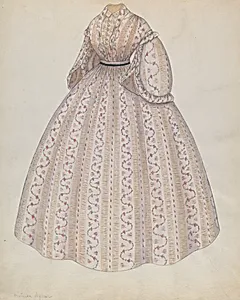
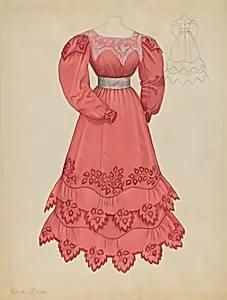
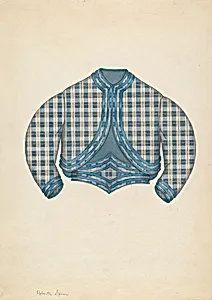
Roberta Spicer was an American artist active around 1935, best known for her contributions to the Index of American Design, a Works Progress Administration (WPA) Federal Art Project initiative launched during the Great Depression. This ambitious New Deal program commissioned artists across the United States to create precise watercolor renderings of historical American folk art, crafts, and everyday objects, preserving a visual record of the nation's material culture before many items deteriorated or were lost. Spicer's meticulous depictions captured the textures, forms, and subtle details of utilitarian items, reflecting the project's goal of celebrating regional design traditions amid economic hardship.
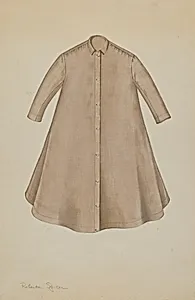
Little is known about Spicer's early life or formal training, as biographical details remain sparsely documented. She worked within the Index of American Design tradition, employing watercolor, graphite, gouache, and colored pencil on paperboard to produce technically accurate illustrations that bordered on scientific precision yet retained an artistic sensitivity to light, shadow, and patina. Her style emphasized functionality and historical authenticity, often rendering objects from multiple angles to highlight craftsmanship, without embellishment or romanticization.
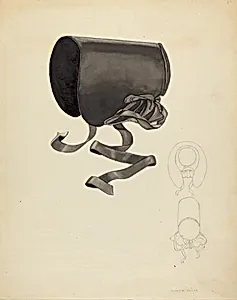
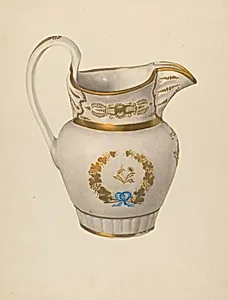
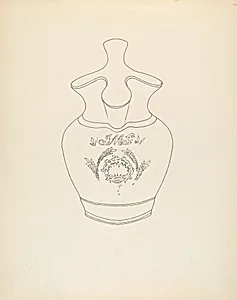
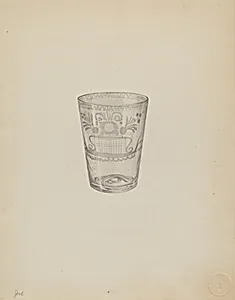
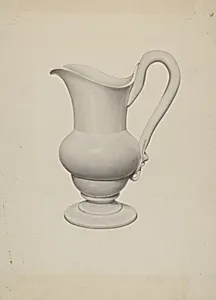
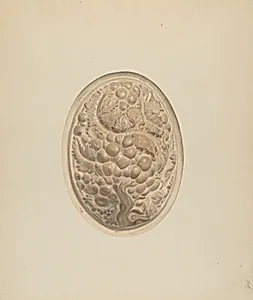
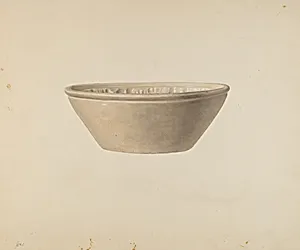
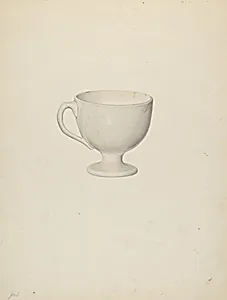
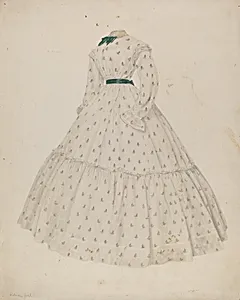
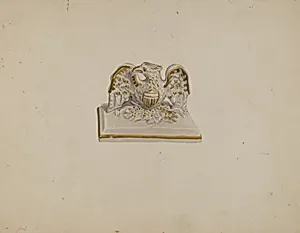
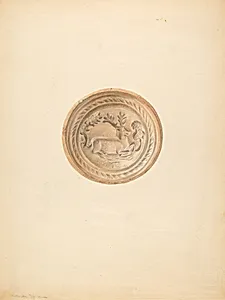
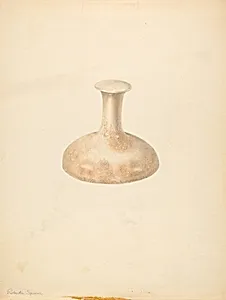
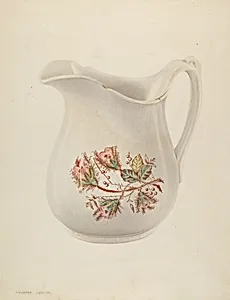
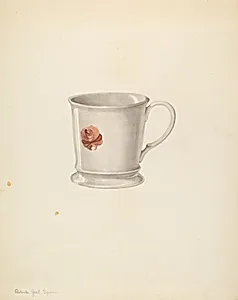
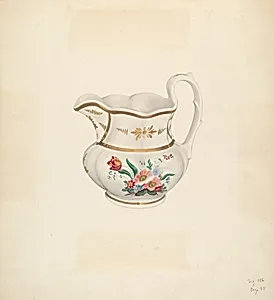
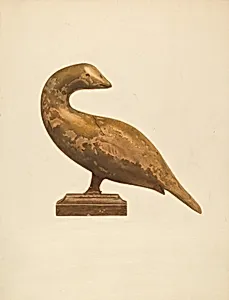
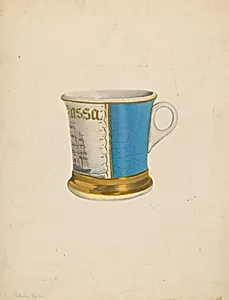
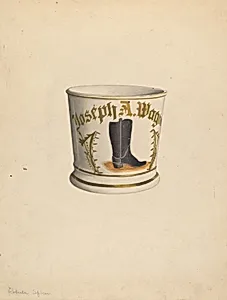
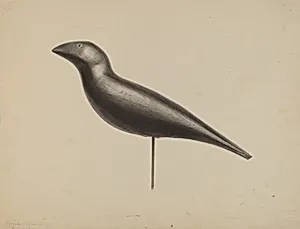
Among her major works in the National Gallery of Art's collection of 41 pieces are *Dress* (c. 1937, watercolor, graphite, and gouache), which documents a delicate garment with intricate folds; *Pitcher* (c. 1940, watercolor and graphite), showcasing ceramic forms; *Girl's Coat* (c. 1937); and *Egg Cup* (c. 1940, watercolor, graphite, and colored pencil). Other notable renderings include molds, bonnets, mugs, butter molds, and even a decoy (c. 1938), all evoking 19th-century domestic life.
Spicer's legacy endures through the enduring archive of the Index of American Design, now housed primarily at the National Gallery of Art. Her contributions helped democratize art history by spotlighting anonymous makers of everyday objects, influencing later studies in American decorative arts and folk craft. In an era of mass production, her work reminds us of the handmade heritage that shaped national identity.