Ctrl K
1879–1964
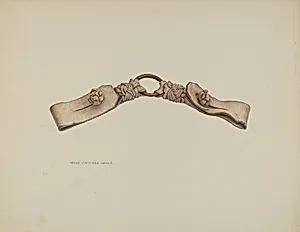
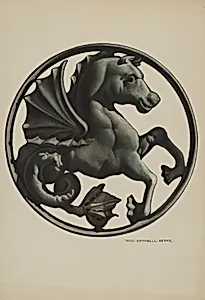
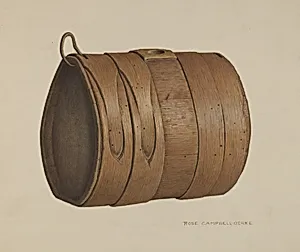
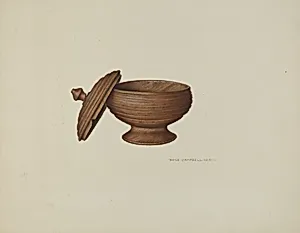
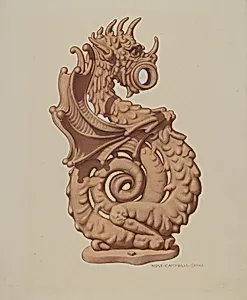
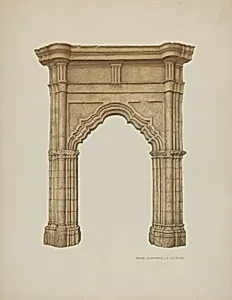
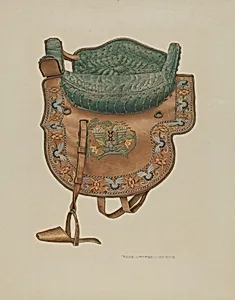
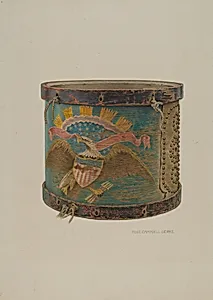
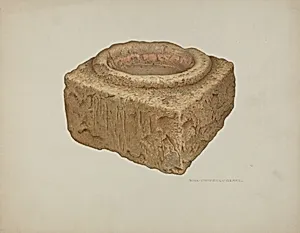
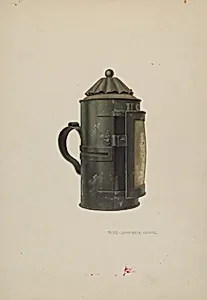
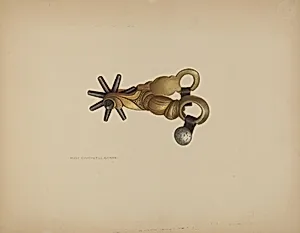
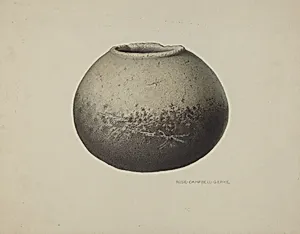
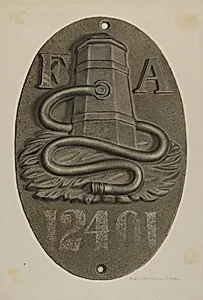
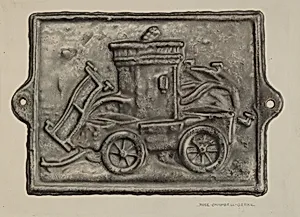
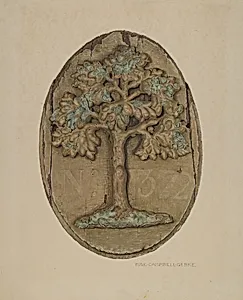
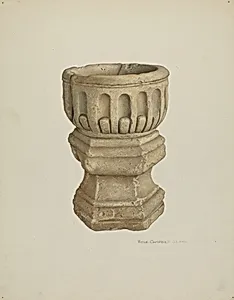
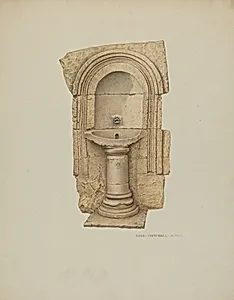
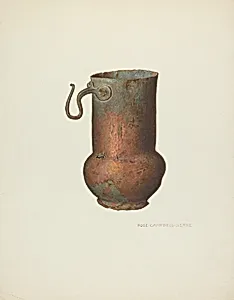
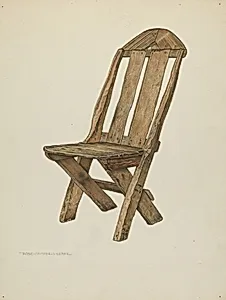
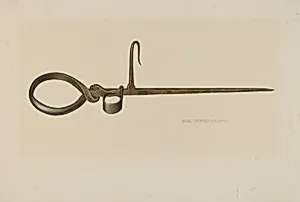
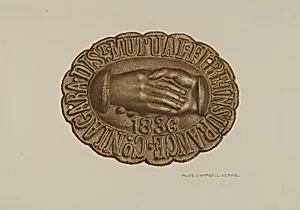
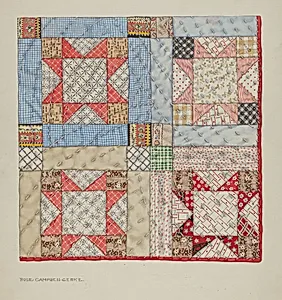
Rose Campbell-Gerke (born 1882) was a California-born American artist who worked as a watercolorist for the Index of American Design, the New Deal-era federal project that systematically documented American folk and decorative arts. The National Gallery of Art holds sixty-six works by Campbell-Gerke in its collection, making her one of the more prolific individual contributors to the Index. Her body of work for the project spans a wide range of objects rooted in the material culture of the American West and Southwest, including Firemark, Branding Iron, Yoke for Oxen, Portion of Fence, and Snare Drum, all executed in watercolor, graphite, colored pencil, and pen and ink on paperboard during the late 1930s and early 1940s.
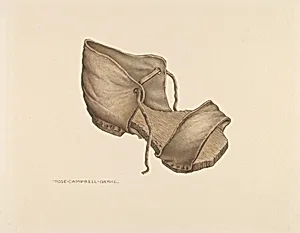
The Index of American Design, active from 1935 to 1942 under the Works Progress Administration's Federal Art Project, employed artists across thirty-four states to create meticulous visual records of American objects from the colonial period through the nineteenth century. Campbell-Gerke brought to this work a sustained engagement with Western Americana — the tools, hardware, agricultural implements, and frontier-era objects that documented life on the American frontier and under Spanish colonial rule. One of her noted renderings depicts a leather shoe made by Juan Onessimo and discovered during the remodeling of a Monterey house built in 1828, a detail that illustrates the historical depth her work was intended to preserve.
Campbell-Gerke's sixty-six works in the National Gallery collection represent a substantial contribution to one of the most important cultural archival projects in American history. Her focus on western regional objects — branding irons, oxen yokes, fence sections, and firemarks — reflects both the geographic breadth of the Index and the particular richness of California's layered material heritage. As a woman artist participating in a largely female workforce within the Index project, she was part of a group whose contributions have received growing recognition from scholars. Her watercolors remain primary visual documents for historians of western American material culture.