Ctrl K
1880–1954
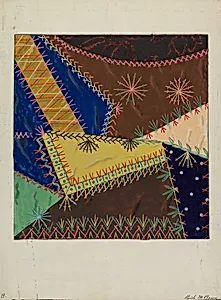
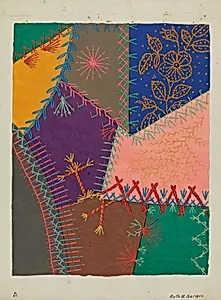
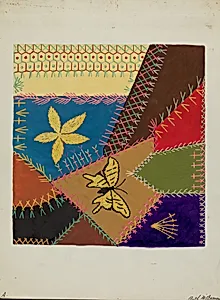
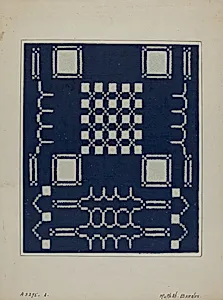
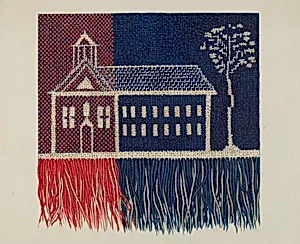
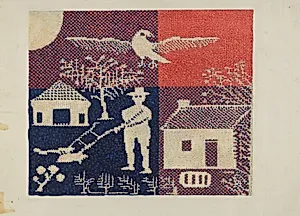
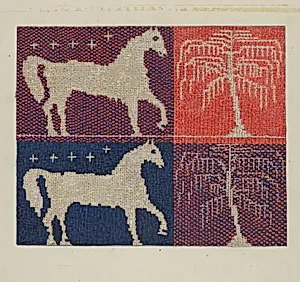
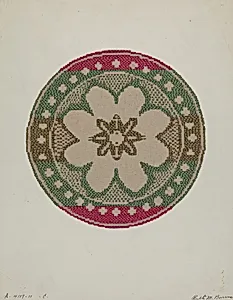
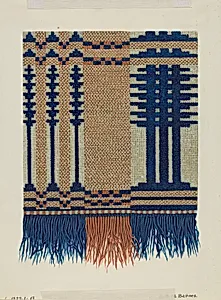
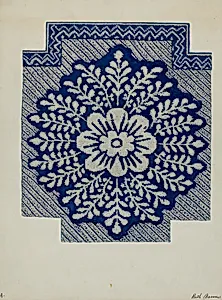
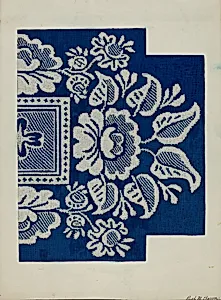
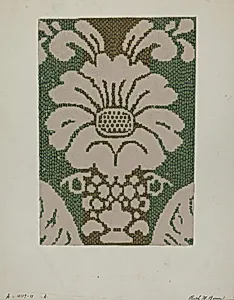
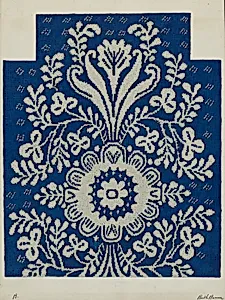
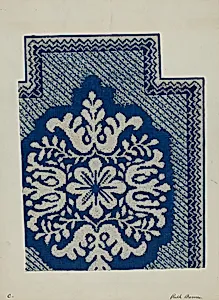
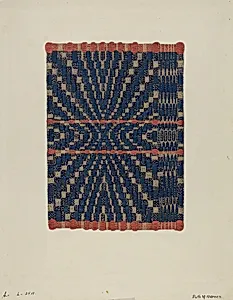
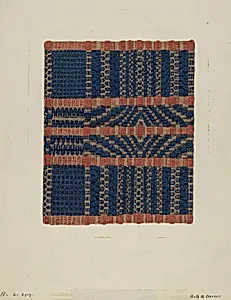
Ruth M. Barnes (1880–1954) was an American artist best known for her meticulous watercolor renderings of traditional American folk textiles as part of the Index of American Design, a Federal Art Project under the Works Progress Administration (WPA). Active during the Great Depression era from roughly 1935 to 1942, Barnes contributed dozens of detailed studies to this ambitious initiative, which employed artists across the U.S. to document colonial and folk crafts through precise, colorful illustrations. The National Gallery of Art holds 75 of her works, preserving her visual archive of everyday American artistry.
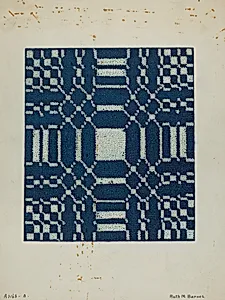
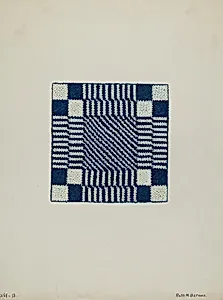
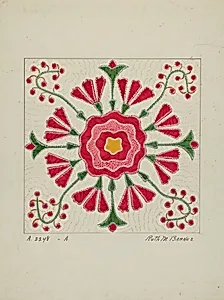
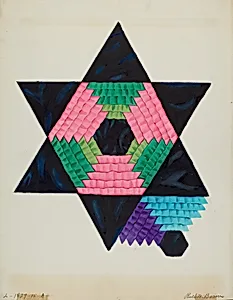
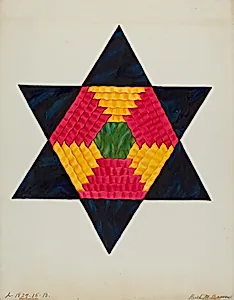
Little is known about Barnes's early life or formal training, as biographical details remain sparsely documented. No records of specific teachers, art schools, or mentors have surfaced in art historical sources, suggesting she may have developed her skills independently before joining the Federal Art Project. Her style aligned with the project's documentary ethos: realistic, technically precise depictions using watercolor, gouache, graphite, and pen and ink on paper. These renderings captured the intricate patterns and textures of quilts, rugs, and accessories with a folk art sensibility, emphasizing geometric motifs, appliqué, and pieced designs rooted in 19th-century American traditions. Barnes worked in the tradition of the Index of American Design, prioritizing historical accuracy over personal expression to celebrate vernacular craftsmanship.
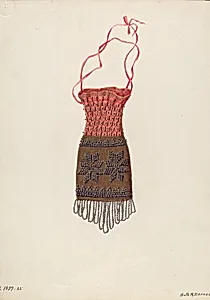
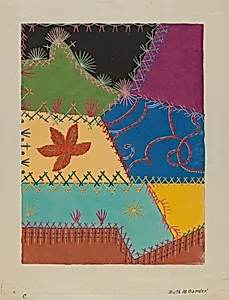
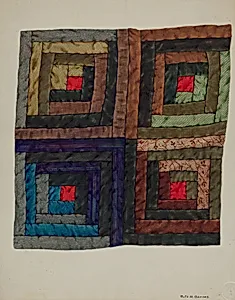
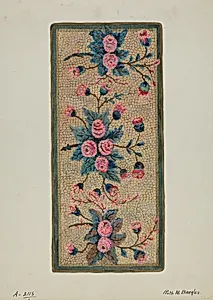
Among her major works are *Crazy Quilt* (c. 1940), *Applique Quilt* (c. 1940), and detailed studies like *Coverlet (Section)* (c. 1940) and *Hooked Rug* (c. 1936), all showcasing vibrant floral, log cabin, and "Farmer's Fancy" patterns. Smaller items such as *Coin Purse* (c. 1940), *Pincushion* (c. 1937), and *Table Scarf* (c. 1937) highlight her eye for utilitarian objects, transforming humble textiles into celebrated cultural artifacts.
Barnes's legacy endures through the Index's vast collection, which has informed scholarship on American decorative arts and inspired reproductions in museums and prints. Her contributions helped forge a national visual record during economic hardship, underscoring the value of folk traditions in shaping U.S. identity. Today, her designs evoke the ingenuity of anonymous makers, bridging craft and fine art in a uniquely American narrative.