Ctrl K
1855
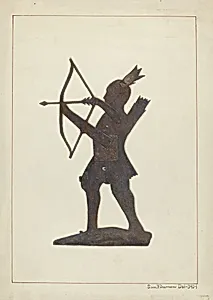
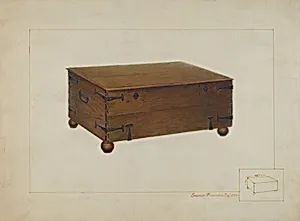
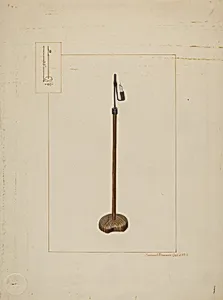
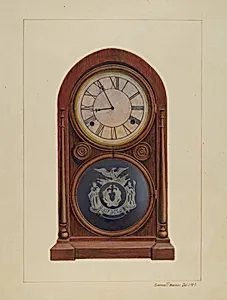
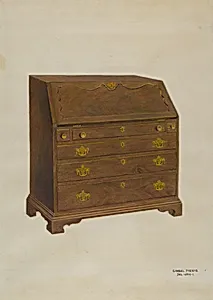
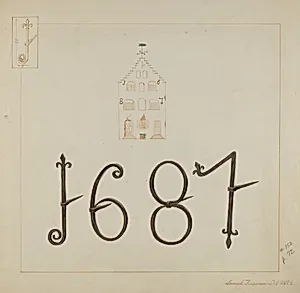
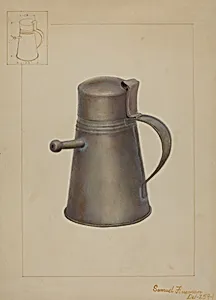
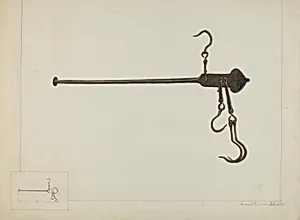
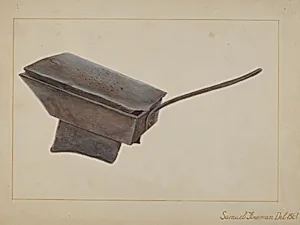
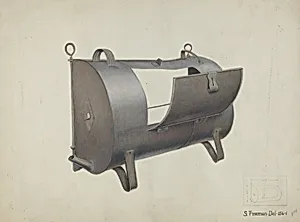
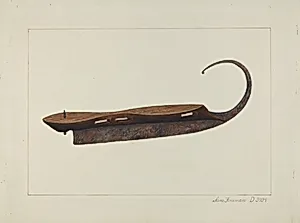
Samuel Fineman was an American artist active during the late 1930s, best known for his meticulous contributions to the Index of American Design, a Federal Art Project under the Works Progress Administration (WPA). This ambitious initiative commissioned artists across the United States to create watercolor renderings of everyday folk art, crafts, and decorative objects, capturing the essence of American material culture from colonial times through the 19th century. Fineman's works, now housed in the National Gallery of Art's collection of nearly 30 pieces, exemplify the project's goal of documenting regional craftsmanship with scientific precision and artistic sensitivity.
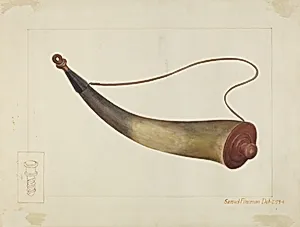
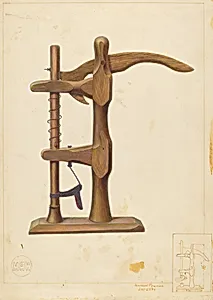
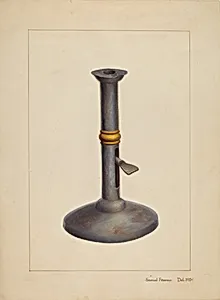
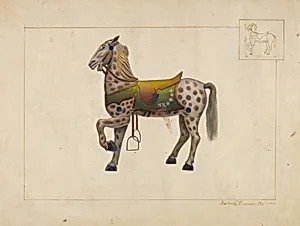
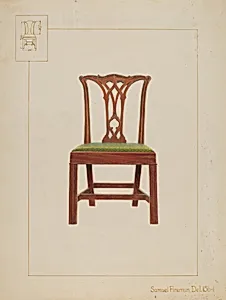
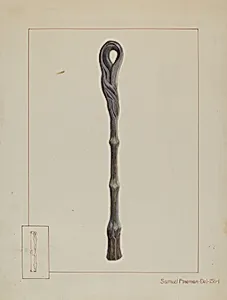
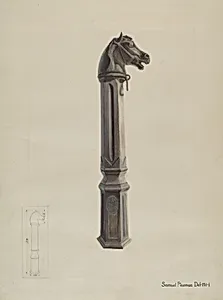
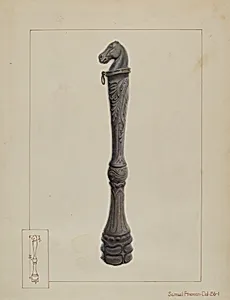
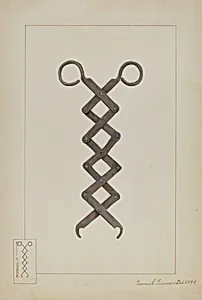
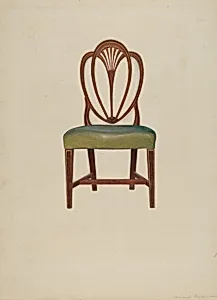
Little is known about Fineman's early life or formal training, as biographical details remain sparsely documented. Associated with the Delaware project of the Index, he produced detailed depictions using watercolor, graphite, gouache, pen and ink, and colored pencil on paper, often measuring around 30 x 23 cm. His style is characterized by hyper-realistic accuracy, vibrant color application, and fine line work that highlights textures, forms, and historical patina—transforming utilitarian objects into celebrated icons of Americana. Among his major works are the *Police Rattle* (c. 1936), a rhythmic night watchman's tool; *Carousel Horse* (c. 1938), with its whimsical carving; *Hepplewhite Chair* (c. 1936); *Powder Horn* (c. 1938); *Sausage Stuffer* (1935/1942); *Iron Hitching Post* (c. 1937); and *Tavern Sign* (1935-1942), each inscribed with his signature and revealing the ingenuity of American makers.
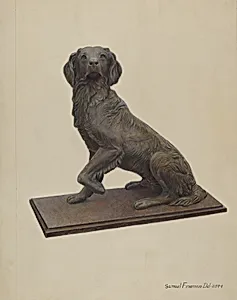
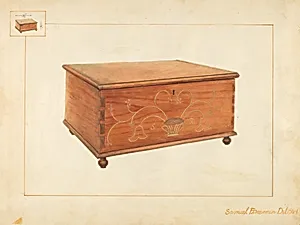
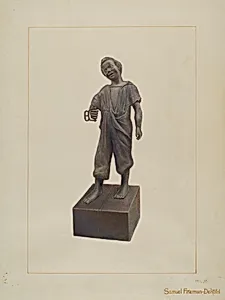
Fineman occasionally collaborated, as seen in the *Cathedral Chair* (c. 1937) with Gordon Saltar and a *Pewter Candle Holder* (c. 1936). Other standout pieces include the *Cast Iron Dog* (c. 1938), *Weather Vane* (c. 1938), *Cancelling Machine* (c. 1938), and *Money Chest in Old Swedes Church* (c. 1938), showcasing everything from whimsical sculptures to functional tools like ice skates and tongs. His renderings preserve not just objects but stories of regional traditions, from Delaware ironwork to rural quilts.
Fineman's legacy endures through the Index's vast archive, which influenced mid-20th-century design revival and continues to educate on America's vernacular arts. By bridging artistry and documentation, his oeuvre reminds us how ordinary items embody cultural identity, ensuring their visual immortality in museum collections today.