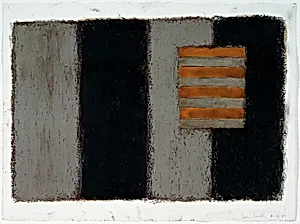
Sean Scully (born 30 June 1945, Dublin) is one of the foremost abstract painters of his generation, celebrated for large-scale canvases of interlocking vertical and horizontal bands that transform geometric structure into something emotionally and spiritually resonant. Raised in London, he attended evening classes at the Central School of Art between 1962 and 1965 before enrolling full-time at Croydon College of Art (1965–1968) and later completing a Bachelor of Arts at Newcastle University in 1972. A Frank Knox Fellowship brought him to Harvard University that same year, marking his first encounter with the United States, and by 1975 he had relocated permanently to New York.
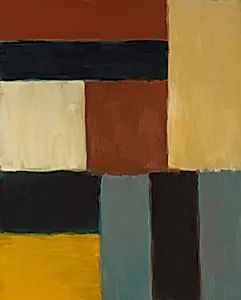
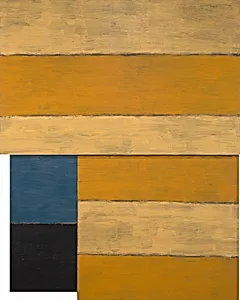
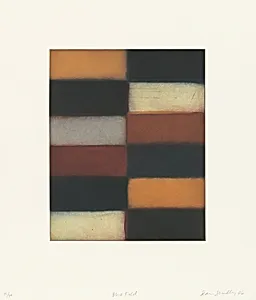
Scully's move to New York placed him at the intersection of Minimalism and what he would help define as Emotional Abstraction — a turn away from the cool detachment of Minimalism toward a painting practice rooted in metaphor, memory, and spiritual weight. His signature vocabulary of banded color planes, built up through layers of paint that shift and breathe rather than flatten, distinguishes his work from the hard-edged geometry of his Minimalist predecessors. Two series have proved especially enduring: the Wall of Light paintings, which originated from watercolor studies made on a beach in Mexico, and the Landline series begun in 2000, in which horizontal bands evoke land, sea, and sky.
Scully's work is held in the collections of the Tate Gallery in London, The Museum of Modern Art in New York, the Reina Sofia National Museum in Madrid, and the Walker Art Center in Minneapolis, among many others. In 2013 he was named a member of the Royal Academy of Arts in London. The following year he became the first Western artist to receive a career-length retrospective in China — Follow the Heart: The Art of Sean Scully 1964–2014 — which traveled from Shanghai to Beijing and encompassed over one hundred paintings.
Living and working between New York, Barcelona, and Munich, Scully occupies a singular position in contemporary art: a painter who insists on the expressive and humanistic possibilities of abstraction at a time when such convictions are perpetually tested.

![Meditacíon [Meditation]](https://images.artheonmuseum.org/nga/thumb/meditacon-meditation-nga-139599.webp)
![Cigarra! [Cicada!]](https://images.artheonmuseum.org/nga/thumb/cigarra-cicada-nga-139600.webp)
![[...]](https://images.artheonmuseum.org/nga/thumb/-nga-139601.webp)
![Arlequín [Harlequin]](https://images.artheonmuseum.org/nga/thumb/arlequn-harlequin-nga-139602.webp)
![Eco del reloj [Clock Echo]](https://images.artheonmuseum.org/nga/thumb/eco-del-reloj-clock-echo-nga-139603.webp)
![Agosto [August]](https://images.artheonmuseum.org/nga/thumb/agosto-august-nga-139604.webp)
![Colmena [Beehive]](https://images.artheonmuseum.org/nga/thumb/colmena-beehive-nga-139605.webp)
![El diamante [Diamond]](https://images.artheonmuseum.org/nga/thumb/el-diamante-diamond-nga-139607.webp)
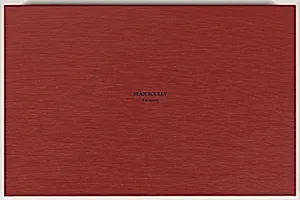
![Remansillo [Little Backwater]](https://images.artheonmuseum.org/nga/thumb/remansillo-little-backwater-nga-137114.webp)
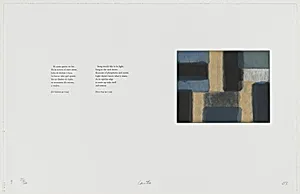
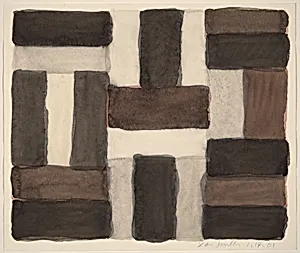
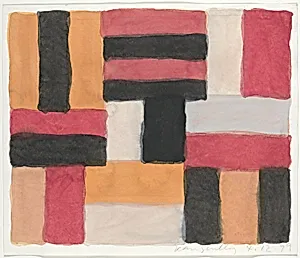
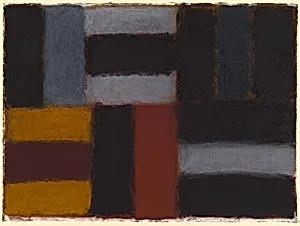
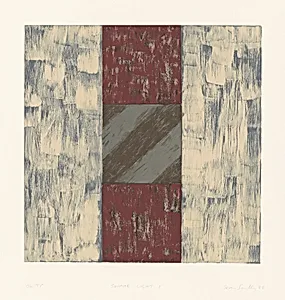
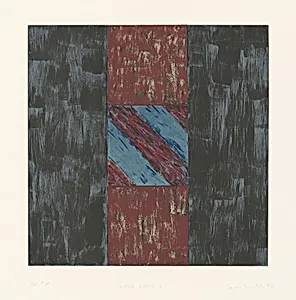
![Room [working proof 14]](https://images.artheonmuseum.org/nga/thumb/room-working-proof-14-nga-230611.webp)
![Room [working proof 17]](https://images.artheonmuseum.org/nga/thumb/room-working-proof-17-nga-230613.webp)
![Room [working proof 18]](https://images.artheonmuseum.org/nga/thumb/room-working-proof-18-nga-230614.webp)
![Room [working proof 15]](https://images.artheonmuseum.org/nga/thumb/room-working-proof-15-nga-230612.webp)