Ctrl K
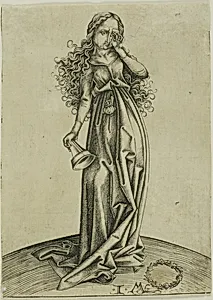
Israhel van Meckenem the Younger (c. 1440–1503) was a German goldsmith and engraver who became one of the most prolific printmakers of the fifteenth century. Born in Meckenheim near Bonn, he was trained by his father, Israhel van Meckenem the Elder, who was himself a goldsmith and engraver. The younger Israhel may also have worked in the workshop of the Master E.S., whose plates he later reworked and reissued.
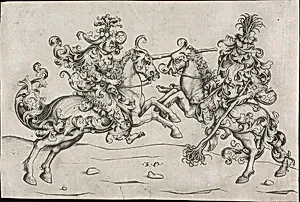
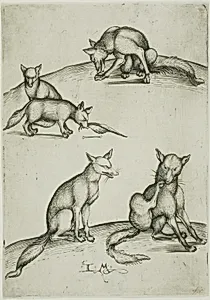
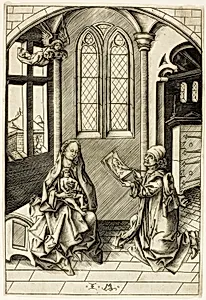
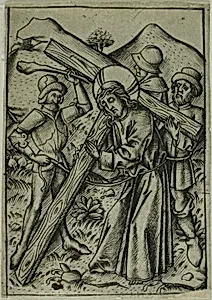
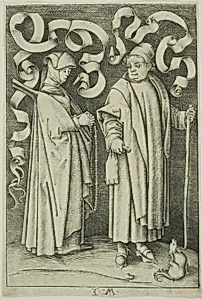
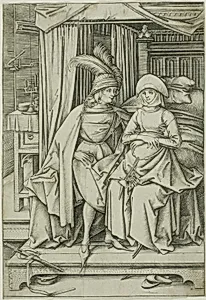
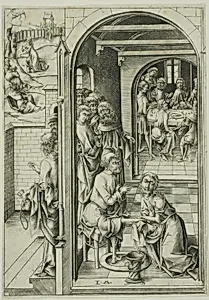
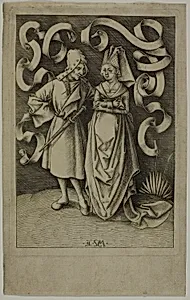
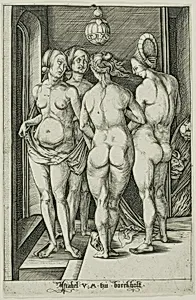
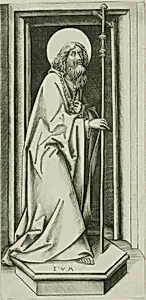
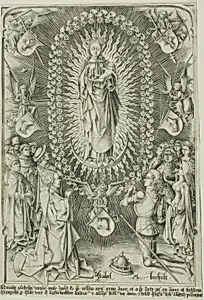
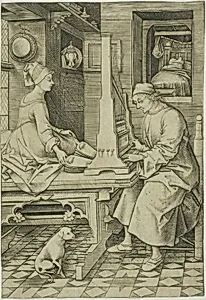
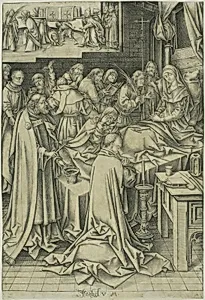
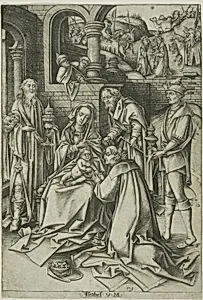
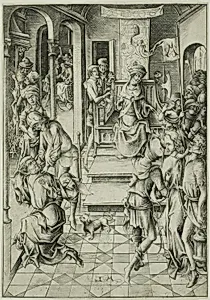
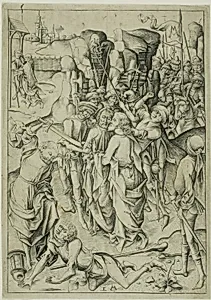
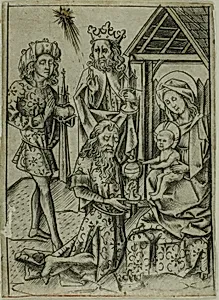
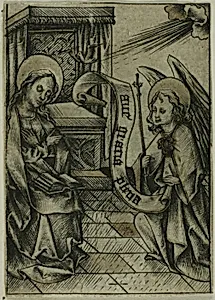
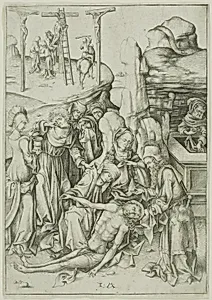
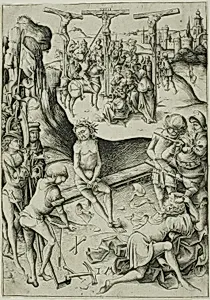
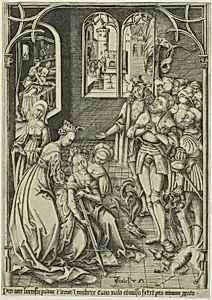
Van Meckenem produced an extraordinarily large body of engravings — over 620 prints are attributed to him, making him the most prolific engraver of the fifteenth century. His output encompassed religious subjects, ornamental designs, genre scenes, and copies after other masters including Martin Schongauer, the Master of the Housebook, and Albrecht Dürer. His genre scenes, particularly his depictions of everyday life and his series of couples, are among the earliest secular prints in Northern European art.
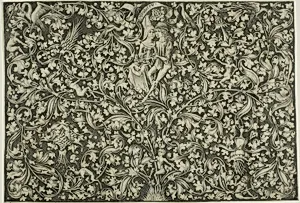
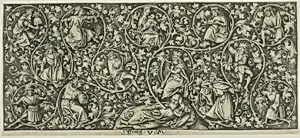
As a goldsmith-engraver, van Meckenem was especially skilled at ornamental design, producing numerous patterns for metalwork, jewelry, and other decorative arts that were widely used by craftsmen across Northern Europe. His technical command of the burin was considerable, and his prints display a distinctive combination of decorative richness and narrative clarity.
Van Meckenem was also among the first printmakers to produce a self-portrait engraving, depicting himself alongside his wife Ida, in what is one of the earliest known double portraits in print. His enormous output and his practice of copying and adapting the work of other masters made him one of the most important disseminators of artistic ideas in late medieval Germany. His prints are held in major collections worldwide, including the British Museum, the Metropolitan Museum of Art, and the Rijksmuseum.