Ctrl K
1819–1856
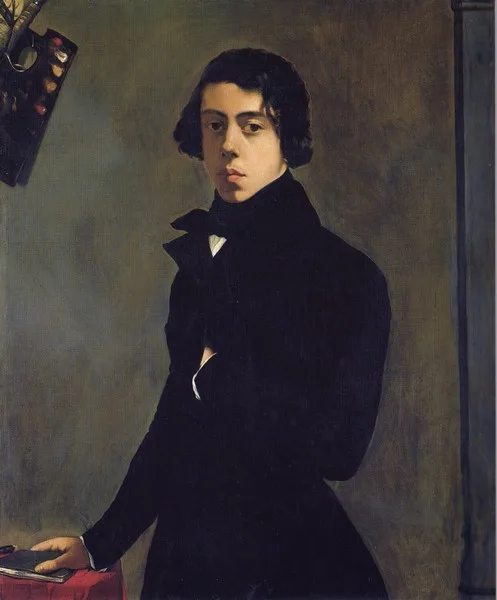
Théodore Chassériau was born on September 20, 1819, in El Limón, Samaná, in the Spanish colony of Santo Domingo — present-day Dominican Republic — to a French father and a Creole mother. The family relocated to Paris in 1820, and the young Chassériau's exceptional talent was evident almost immediately. At just eleven years old, in 1830, he was accepted into the prestigious studio of Jean-Auguste-Dominique Ingres, who called him "the young Raphael" and regarded him as his truest and most gifted disciple.
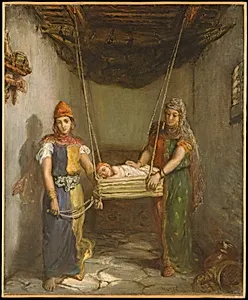
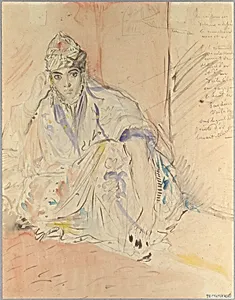
In the years that followed, Chassériau began absorbing the passionate colorism and dramatic energy of Eugène Delacroix, Ingres's great rival. Rather than abandoning what Ingres had taught him, Chassériau embarked on a deliberate synthesis: he fused the precise, rhythmic line of Ingres with the rich, expressive palette of Delacroix. His 1846 journey to Algeria deepened this sensibility, drawing him into Orientalist subject matter rendered with an intimacy and psychological depth that set him apart from contemporaries.
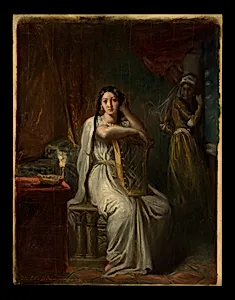
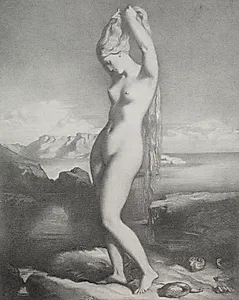
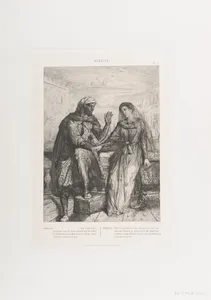
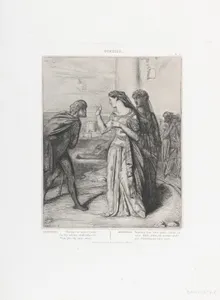
His output was both prolific and varied. Early masterworks such as Susanna and the Elders (1839), Venus Anadyomene (1839), and The Toilette of Esther (1841) demonstrate his ability to invest mythological and biblical subjects with warmth and sensuality. The Tepidarium (1853), now in the Musée d'Orsay, stands as a luminous late achievement.
Chassériau died in Paris on October 8, 1856, at only thirty-seven years old. Despite his brief life, his influence radiated powerfully into the next generation of French artists. Puvis de Chavannes and Gustave Moreau both drew directly from his synthesis of line and color, and through them his vision left traces in the work of Paul Gauguin and Henri Matisse.